
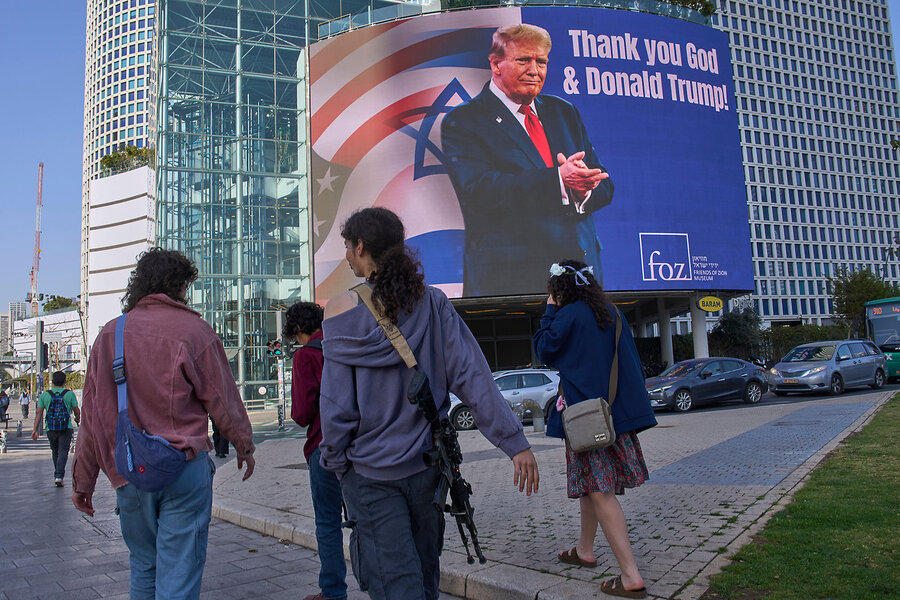
Public sentiment in Israel regarding U.S. President Donald Trump has entered a period of recalibration as concerns grow over the administration’s potential approach to regional security. While Donald Trump was once seen as the nation’s savior, recent discussions surrounding a U.S.-Iran ceasefire deal have sparked sharp criticism among right-wing Israeli political factions.
The transition from viewing the U.S. administration as an unwavering ally to a potential source of strategic friction highlights a shift in the Israeli security establishment’s outlook. The apprehension stems from fears that a deal prioritizing regional de-escalation with Tehran could leave Israel vulnerable to its regional proxies. This divergence in strategy marks a significant point of tension for a government that previously viewed the Trump administration as a primary guarantor of its regional security interests.
Shifting Perspectives on Regional Security
For years, the Israeli right-wing base largely characterized Donald Trump as a “savior” of the U.S.-Israel relationship. However, current discourse suggests that the prospect of a ceasefire brokered by the team is viewed with skepticism by some Israeli officials who argue that such agreements may fail to address the long-term threat posed by Iran’s nuclear program and regional influence.
The concern is that the administration’s rhetoric could lead to a withdrawal or reduction of U.S. military commitments in the Middle East. If the U.S. pursues a path of disengagement, Israeli policymakers are forced to consider whether their security doctrine, which historically relies on U.S. backing, needs a fundamental overhaul. The focus has shifted from ideological alignment to a pragmatic assessment of whether a deal with Tehran constitutes a “blow” to Israel’s strategic standing.
Backlash Among the Israeli Right
Within the Israeli Knesset, members of the governing coalition have expressed varying degrees of unease. While many remain hopeful that the administration will maintain a firm stance against Iran, others are vocal about the risks of a deal that grants Tehran sanctions relief or regional legitimacy. The backlash is not merely political; it reflects a deeper concern that the tactical goals of the U.S. president may not align with the existential security goals defined by the current Israeli government.

The intensity of this backlash is tied to the fear that any ceasefire agreement could be used by Iranian-backed groups to reorganize and rearm. This sentiment is amplified by the fact that the Israeli public often views the U.S.-Israel alliance through the lens of personal rapport between leaders. When that rapport is perceived to be threatened by policy disagreements, the domestic impact in Israel is immediate and often contentious.
Strategic Implications for the Future
What happens next depends on the specific terms of any potential agreement and how the U.S. administration communicates its broader Middle East policy. Israeli observers are closely monitoring the appointments to key national security positions in Washington to determine if the “maximum pressure” campaign against Iran will return, or if a more diplomatic, transactional approach will prevail.
The current uncertainty serves as a reminder of the volatility inherent in foreign policy. The new reality of a potential ceasefire deal creates a complex environment for diplomats. The Israeli government is currently preparing for a series of high-level meetings in Washington to ensure their security concerns are addressed in any future framework. These discussions are expected to clarify whether the U.S. will prioritize regional stability through containment or through direct negotiation with regional powers.
As of early 2025, no official text of a ceasefire deal has been released or confirmed by the administration. The next major checkpoint for these concerns will be the initial policy briefings following the inauguration of the new U.S. cabinet. Readers interested in following these developments are encouraged to monitor official statements from the U.S. We invite our readers to share their perspectives on these evolving geopolitical dynamics in the comments section below.