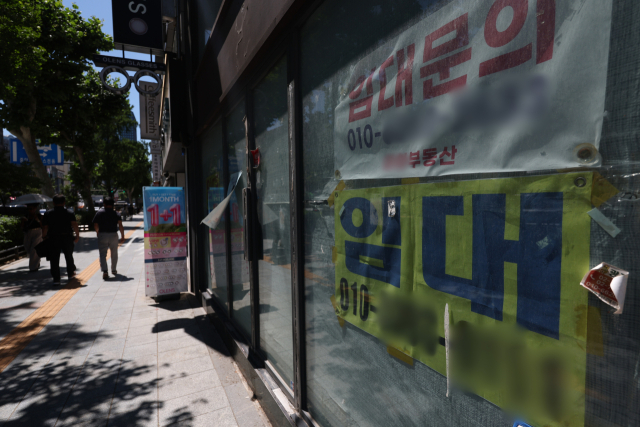
South Korean households and small business owners are facing mounting financial pressure as interest rates on loans from the nation’s five major commercial banks have climbed past the 7% threshold. This surge in borrowing costs, driven by broader economic volatility and a weakened currency, has intensified concerns regarding the stability of household debt and the solvency of small and medium-sized enterprises (SMEs).
According to data tracked by financial regulators, the total volume of household debt in South Korea reached a record high of approximately 1,993 trillion won. This historic peak in leverage, coupled with rising interest rates, has created a significant “interest bomb” for borrowers who were already struggling with the aftermath of pandemic-era financial strains and inflationary pressures. The situation is further complicated by the rising cost of imported raw materials and components, which has squeezed profit margins for smaller firms, leaving them with limited cash flow to service existing debt.
Rising Borrowing Costs and SME Vulnerability
The transition to a high-interest rate environment has hit the SME sector particularly hard. For many small business owners, the ability to repay loans is directly tied to operational revenue, which has been hampered by both domestic economic cooling and the increased expense of importing essential goods. As the Korean won fluctuates, businesses that rely on overseas supply chains face higher input costs, further eroding their ability to meet monthly debt obligations.
Financial institutions have reported a noticeable deterioration in the credit quality of SME loans. When borrowing costs exceed 7%, the debt-service ratio (DSR) for many small businesses reaches a critical point, often leaving no room for reinvestment or emergency reserves. Analysts at the Bank of Korea have frequently highlighted that elevated interest rates, while necessary to combat inflation and defend the currency, create a disproportionate burden on highly leveraged sectors of the economy.
Household Debt at Record Levels
The accumulation of 1,993 trillion won in household debt represents a structural risk to the national economy. With a significant portion of this debt tied to variable interest rates, shifts in the base rate set by the central bank translate almost immediately into higher monthly payments for homeowners and individual borrowers. The Financial Supervisory Service (FSS) monitors these trends closely, noting that as rates remain elevated, the risk of delinquency increases, particularly among lower-income households and those with multiple outstanding loans.
The interplay between a weak currency and interest rate policy has created a “vicious cycle.” To stabilize the won and prevent capital outflows, monetary authorities have had to maintain a hawkish stance on interest rates. However, this policy choice inherently limits the disposable income of households, which in turn cools domestic consumption and places additional strain on the very small businesses that depend on that consumer spending.
Economic Outlook and Monitoring
The current financial landscape remains highly sensitive to global market conditions, particularly the policy decisions of the U.S. Federal Reserve and shifts in global commodity prices. Domestic financial institutions are currently undergoing rigorous stress tests to determine their resilience against potential defaults in the SME and household sectors.

For small business owners and households, the path forward involves navigating a period of tightened liquidity. Financial experts often suggest that borrowers prioritize debt consolidation where possible and maintain close communication with lenders regarding repayment options. Regulatory bodies continue to publish updates on financial stability, which can be accessed through the Financial Services Commission (FSC) website for those seeking information on government-backed relief programs or loan maturity extensions.
The next major policy assessment regarding interest rate adjustments and financial stability measures is expected during the upcoming Bank of Korea Monetary Policy Committee meeting. As the situation evolves, the impact of these rates on the broader economy will remain a primary focus for policymakers and market observers alike. We invite readers to share their perspectives on how these financial challenges are affecting their local business environments in the comments section below.