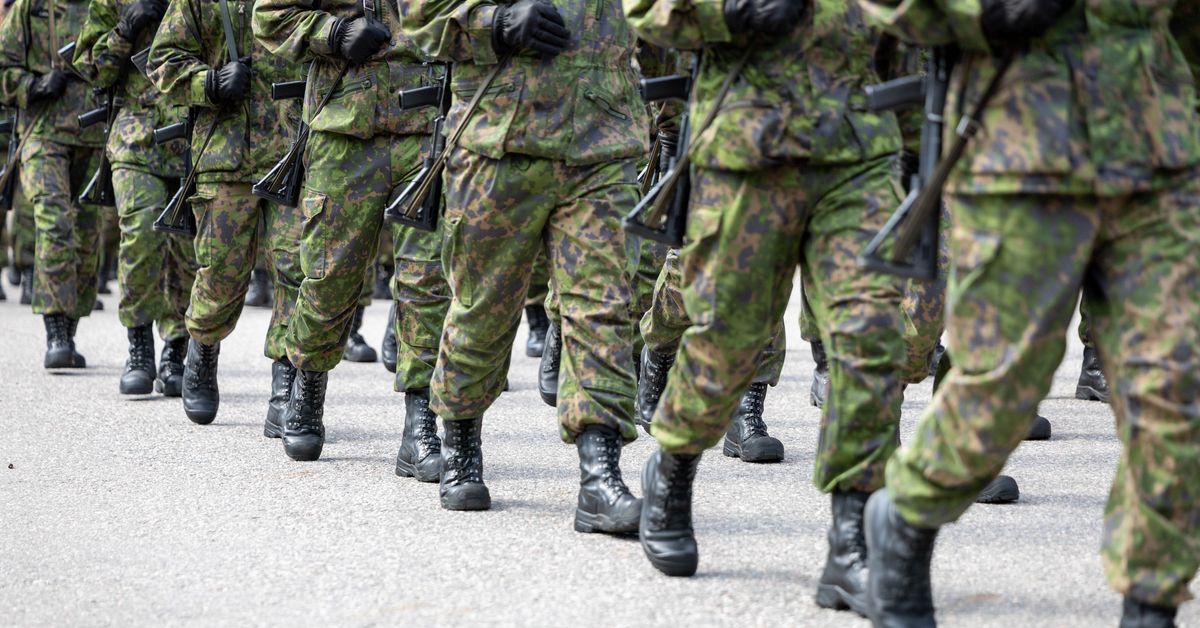
Finland’s system of mandatory military service for men is facing increasing public scrutiny as a majority of young adults now view the gender-exclusive nature of the policy as a violation of equality principles. While the Finnish Defence Forces maintain that the conscription model remains the cornerstone of national defense, the social contract underpinning it is under pressure from shifting societal values regarding gender neutrality and individual rights.
According to recent survey data, more than 50% of young adults in Finland believe that restricting mandatory conscription solely to men is incompatible with modern standards of gender equality. This public sentiment reflects a broader European debate regarding the sustainability of traditional defense models in an era where universal service is increasingly viewed through the lens of egalitarian social policy rather than purely tactical military necessity.
The Evolution of Conscription in Finland
Finland remains one of the few European nations that retains a universal male conscription model. Under the current Finnish Conscription Act, all male citizens are required to perform military or non-military service upon reaching the age of 18, while participation for women remains voluntary. The Finnish Defence Forces emphasize that this structure ensures a cost-effective, large-scale reserve capable of defending the country’s extensive borders, a strategic priority that has gained renewed focus following Finland’s accession to NATO in April 2023.

Despite the military’s insistence on the strategic efficacy of the current system, the political discourse has shifted. Younger generations, in particular, are increasingly vocal about the perceived disparity in civic duties. The argument frequently cited in political analysis is that the current framework effectively mandates a “gender tax” on men, requiring a significant time investment—often between 165 and 347 days—that is not required of their female counterparts.
Societal Pressure and the Equality Debate
The tension between national security requirements and the desire for gender parity has become a recurring theme in Finnish domestic politics. Advocates for reform argue that expanding conscription to all genders would not only align with constitutional equality requirements but also expand the talent pool available to the military. Conversely, critics of universal conscription point to the potential economic costs and the logistical challenges of training an entire age cohort, which could reach tens of thousands of individuals annually.
The Council for Gender Equality (TANE) has historically monitored how such policies impact the gendered division of labor and life opportunities. In recent years, the debate has moved from fringe advocacy to mainstream political platforms, with various parties evaluating how a transition to a more inclusive service model might look. However, any significant legislative change would require a massive overhaul of the existing infrastructure, which currently lacks the capacity to accommodate the full population of 18-year-olds regardless of gender.
Strategic Challenges for the Defence Forces
The Finnish military’s primary concern remains the maintenance of a credible deterrent. As a member of NATO, Finland is now integrated into a collective defense framework, but the national requirement to maintain a high-readiness reserve remains unchanged. The Finnish Government has periodically assessed the future of conscription, but there is currently no legislative proposal to move toward a gender-neutral mandatory system.
The “great strength” of the Finnish model—its ability to mobilize a large, trained reserve quickly—is also its “Achilles’ heel” in the eyes of younger citizens who feel the system is an outdated relic. The challenge for policymakers is to reconcile the military’s demand for a highly specific, scalable reserve with the public’s growing expectation that state mandates should be applied without gender-based distinctions.
What Comes Next
While public opinion is shifting, no immediate changes to the Conscription Act are scheduled for the current parliamentary session. The Ministry of Defence continues to prioritize the integration of new NATO-standard capabilities, and any potential reform to the conscription model would likely require a broad, cross-party consensus that has not yet been achieved. Interested parties can monitor official updates through the Ministry of Defence of Finland for any future commission reports or legislative proposals regarding service reform.

As the debate continues to evolve, the disconnect between traditional defense policy and modern equality expectations will likely remain a central issue for Finnish voters. Readers are encouraged to share their perspectives on whether the current model serves the national interest or if a shift toward universal, gender-neutral service is the necessary path forward for the Nordic nation.