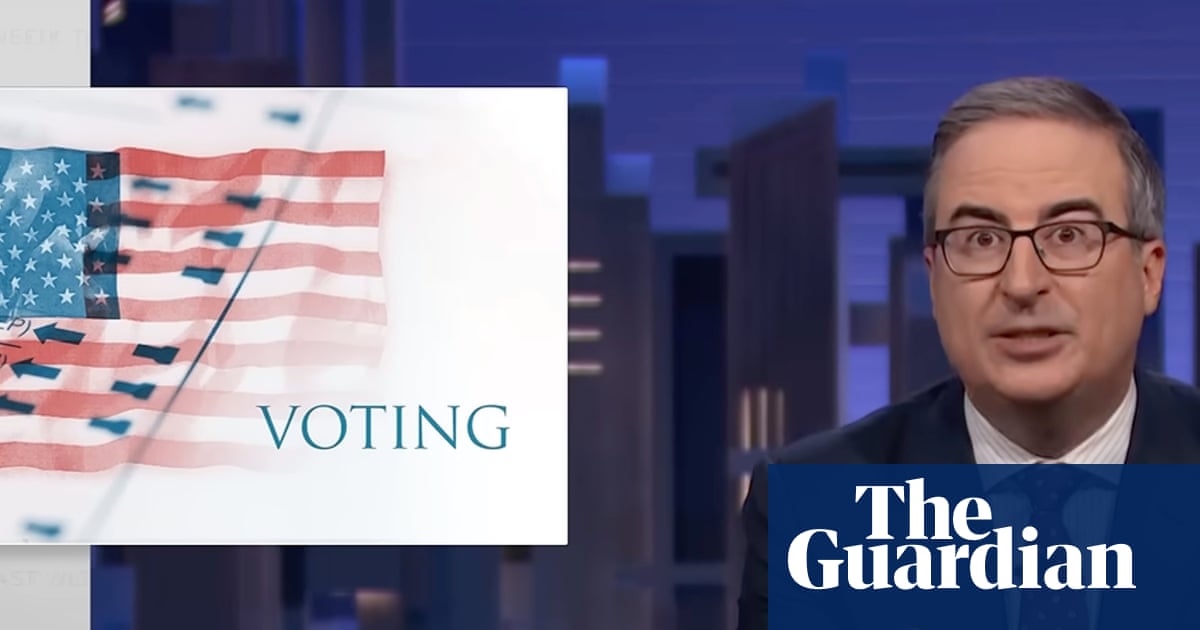
In a recent segment of his HBO show, host John Oliver examined the fight over redistricting that has been “raging” across the US as the midterms approach. The broadcast highlighted how state-level efforts to redraw district lines ahead of election cycles can significantly alter political representation.
The redistricting process is intended to adjust electoral boundaries. However, the process has frequently become a tool for partisan advantage. By concentrating voters of a specific party into single districts or spreading them thinly across many, lawmakers can effectively predetermine the outcome of contests.
The Impact of Partisan Redistricting
The political stakes of these map-drawing efforts are substantial. In Texas, for instance, Republicans currently hold 25 out of 38 congressional seats and proposed redistricting could see that number rise to 30. This shift highlights how legislative control over map-drawing can effectively insulate representatives from competitive challenges.

The legal landscape surrounding these maps remains active. Challenges to redistricting plans often center on the Voting Rights Act. The host discussed recent limits to the Voting Rights Act and Trump’s efforts to dissolve majority Black districts.
State-Level Variations in Map-Drawing
While partisan control of the legislature is the primary driver of redistricting in many states, other regions have adopted different approaches. California has voted in favor of Proposition 50, redrawing districts in a way that could cost Republicans five seats next year.
The process is far from uniform across the country. In states like Missouri and Louisiana, redistricting is also set to happen. These cases underscore the tension between state legislative authority and federal protections for minority representation.
Future Legal Challenges
The legal battles over electoral maps are expected to continue as the nation approaches future election cycles.
For voters and observers, the next major milestones in this ongoing debate will likely occur in state and federal courtrooms rather than at the ballot box. Advocacy organizations continue to monitor legislative sessions and mapping proposals for potential violations of federal law. As these legal proceedings unfold, the balance of power in the U.S. House of Representatives remains directly linked to the lines drawn by officials in state capitals across the country.
This report provides an overview of the current status of redistricting efforts. We invite readers to share their thoughts on the balance between legislative authority and voter representation in the comments section below.