Ukrainian forces have conducted a series of strikes against Russian military assets in occupied Crimea, following reports of intensified shelling in the Sumy region. The operations, which occurred throughout the week, represent a sustained effort by Kyiv to degrade Russian logistics and air defense capabilities in the Black Sea peninsula, according to statements from the Ukrainian General Staff.
The strikes in Crimea follow a period of heightened cross-border tensions, where regional authorities in Sumy reported significant civilian infrastructure damage due to Russian aerial attacks. While the Ukrainian military maintains a policy of operational silence regarding specific tactical details, officials have confirmed that the strikes targeted ammunition depots and radar installations. These actions are part of a broader strategy to disrupt supply lines originating from the Russian mainland, as reported by the Reuters news agency.
Strategic Impact of Strikes on Crimean Infrastructure
The targeting of Crimean assets serves a dual purpose: neutralizing Russian anti-aircraft systems and complicating the replenishment of frontline units in southern Ukraine. Satellite imagery analyzed by defense observers suggests that recent strikes have impacted logistics hubs that Russia relies on to support its Black Sea Fleet and regional garrisons. According to the Institute for the Study of War, the degradation of these nodes forces Moscow to redistribute resources, potentially stretching their defensive perimeter thinner across the front.

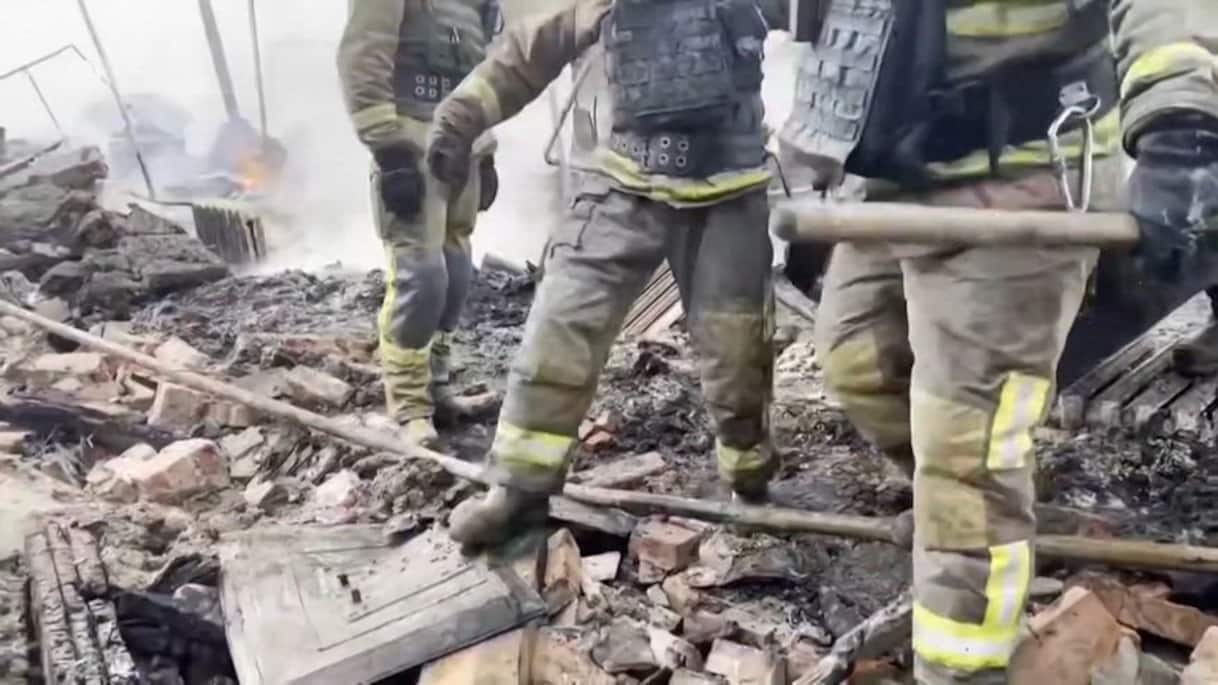
In the Sumy region, the situation remains volatile. Local administration officials have reported that Russian forces are utilizing guided aerial bombs, which have caused extensive destruction to residential buildings and energy infrastructure. The intensity of these strikes has prompted mandatory evacuation orders for vulnerable populations in border communities, as detailed in recent updates from the Ukrinform news service.
Operational Dynamics in the Black Sea
The ongoing campaign against Russian targets in Crimea is not an isolated event but a continuation of a systematic effort to restrict Russian naval and aerial dominance. By utilizing long-range drones and, in some instances, Western-supplied missile systems, Ukraine has successfully forced the Russian Black Sea Fleet to relocate many of its vessels further east toward Novorossiysk. This shift has been documented by the BBC, noting that while the fleet remains a threat, its ability to project power directly onto the Ukrainian coast has been significantly curtailed.
These tactical gains are tempered by the realities on the ground in northern and eastern Ukraine. The pressure on the Sumy region serves as a reminder that Russia retains the ability to strike deep into Ukrainian territory, targeting civilian centers to undermine morale. The dual nature of this conflict—asymmetric strikes in the south and conventional attrition in the east—continues to define the current phase of the war.
What Happens Next: Monitoring the Frontline
Military analysts suggest that the coming weeks will be defined by the ability of both sides to maintain their respective operational tempos. For Ukraine, the priority remains the protection of the energy grid against anticipated winter strikes, alongside the continued degradation of Russian supply lines. For Russia, the focus remains on territorial gains in the Donbas and the maintenance of a land bridge to Crimea.

Official updates regarding the situation in Crimea and the Sumy region will continue to be released by the Ukrainian Ministry of Defense and regional military administrations. Observers are also monitoring for any shifts in Western policy regarding the usage of long-range weapons for strikes deeper inside Russian territory, a topic of ongoing diplomatic discussion between Kyiv and its allies. As of this week, there have been no significant changes to the established rules of engagement, according to reports from the New York Times.
We invite our readers to share their perspectives on these developments in the comments section below. For the latest verified updates, please continue to follow our ongoing coverage as we track developments on the ground.