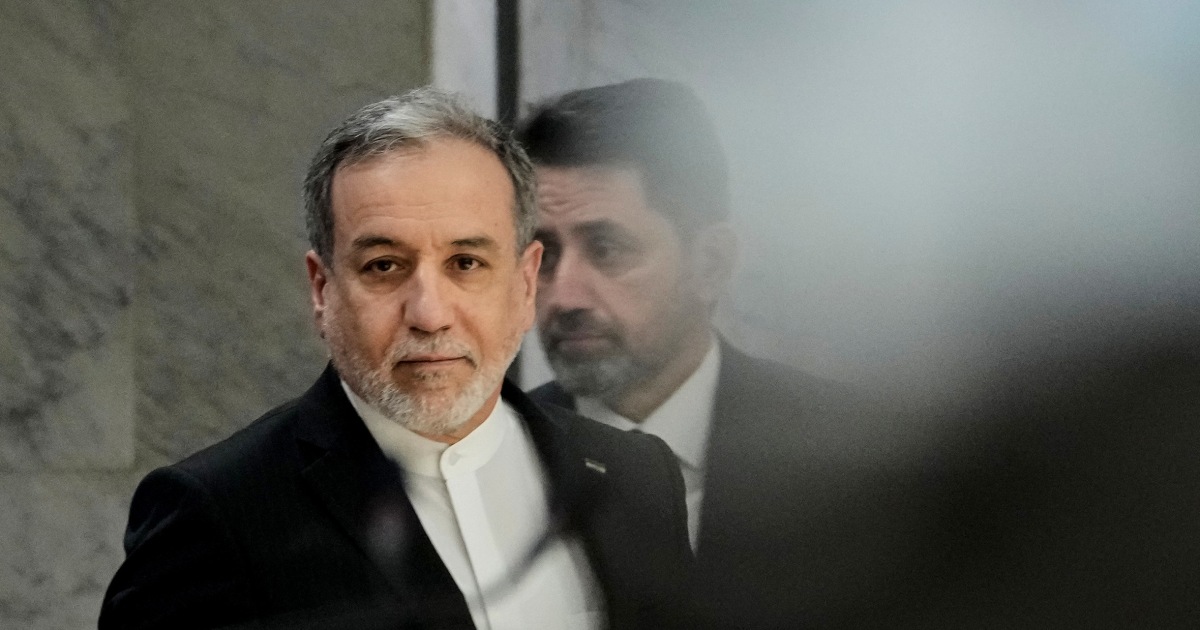
U.S. officials expressed concerns during recent months that Israeli leadership might target Iranian negotiators as part of its ongoing military and intelligence campaigns, according to reports surfacing in international media. These concerns, which were communicated through diplomatic channels, centered on the potential for an escalation in regional tensions should Israel prioritize the elimination of individuals involved in high-level diplomatic or proxy-related discussions.
Israeli Prime Minister Benjamin Netanyahu has explicitly denied these reports, characterizing the suggestion that his government contemplated such actions as “a complete fabrication of reality.” The exchange highlights the persistent friction between Washington and Jerusalem regarding the appropriate boundaries of Israeli operations against Iranian assets and personnel in the Middle East.
Diplomatic Channels and Security Concerns
The reported U.S. apprehension stems from the broader context of the shadow war between Israel and Iran. Over the past decade, Israel has conducted numerous strikes against Iranian-backed groups and personnel, particularly in Syria and Lebanon, often citing the need to prevent the transfer of advanced weaponry to Hezbollah or other proxies, as documented by the Council on Foreign Relations. During periods of heightened volatility, U.S. intelligence agencies have frequently monitored Israeli planning to ensure that actions do not inadvertently derail broader international efforts to manage Iran’s nuclear program or regional influence.
According to reporting from outlets like Reuters, the U.S. concern specifically addressed the risk that Israel might misidentify or intentionally target negotiators whose deaths could effectively shut down back-channel communication lines. The U.S. Department of State has historically maintained that keeping diplomatic channels open—even with adversaries—is essential for regional de-escalation, a position reaffirmed in recent State Department press briefings.
The Response from Jerusalem
Prime Minister Benjamin Netanyahu’s office issued a swift rebuttal to the reports. In a statement provided to international news agencies, his office dismissed the allegations as entirely unfounded. The Israeli government has consistently maintained that its military operations are directed solely at combatants, intelligence operatives, and infrastructure that pose a direct threat to the safety of Israeli citizens.

This denial aligns with Israel’s long-standing policy of neither confirming nor denying specific intelligence operations. However, the intensity of the denial in this instance suggests a desire to prevent the perception of a rift in the U.S.-Israel security partnership. The White House continues to emphasize its commitment to Israel’s right to self-defense, while simultaneously pushing for restraint in operations that could trigger a wider regional conflict.
Contextualizing the Regional Standoff
The tension surrounding these reports is set against a backdrop of significant regional instability. Following the events of October 7, 2023, and the subsequent expansion of the conflict involving Hezbollah in the north and direct exchanges between Israel and Iran, the threshold for what constitutes a “legitimate target” has been the subject of intense debate.
Analysts note that the U.S. remains wary of the “normalization of targeting” when it involves individuals who, while potentially hostile, perform functions that are vital to international diplomatic stability. The International Institute for Strategic Studies has noted that the shift from proxy warfare to direct confrontation between Israel and Iran has forced the United States to take a more active role in de-conflicting Israeli operations to prevent a broader war that would draw in U.S. assets stationed in the region.
What Happens Next
The effectiveness of U.S. influence over Israeli military planning remains a subject of scrutiny. With ongoing negotiations regarding hostages and ceasefire agreements in Gaza, the role of international mediators—including Qatar and Egypt—has become increasingly fragile. The next major checkpoint for these diplomatic efforts will be the upcoming series of high-level meetings scheduled in Cairo, where the focus will remain on securing a long-term cessation of hostilities.

As the situation evolves, the international community continues to look for signs of whether the U.S. and Israel can maintain alignment on their respective regional strategies. For now, the denial from the Prime Minister’s office serves to close the immediate chapter on these specific reports, though the underlying strategic disagreements regarding Iran are likely to persist. We encourage our readers to share their perspectives on these developments in the comments section below.