
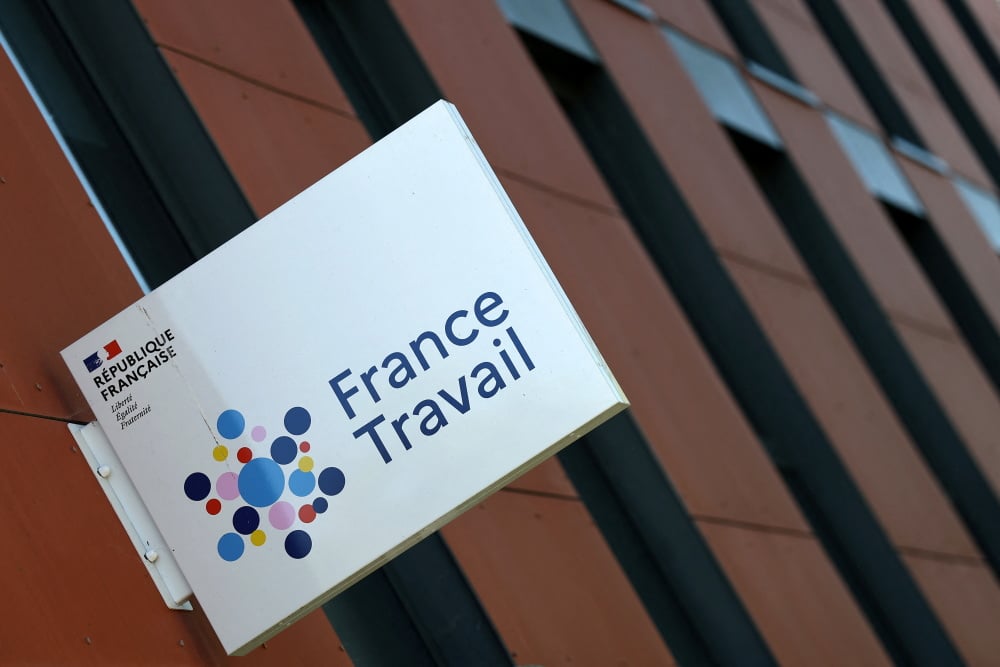
France currently allocates approximately 70 billion euros annually to labor market interventions, an expenditure level that places the nation at the top of European Union spending rankings relative to its economic scale. This massive financial commitment, directed primarily through agencies like France Travail and various state-subsidized vocational programs, aims to address persistent structural unemployment and facilitate professional transitions for millions of job seekers.
According to data from the European Commission’s Eurostat database, France consistently maintains one of the highest ratios of Labor Market Policy (LMP) expenditure to Gross Domestic Product (GDP) in the bloc. While the exact figure fluctuates based on annual budget adjustments and economic cycles, the 70-billion-euro mark reflects a comprehensive approach that includes unemployment benefits, active training programs, and incentives for corporate hiring. This spending is not merely passive social support but an active policy tool designed to bridge the gap between labor supply and the evolving needs of the French economy.
Understanding the Scale of French Labor Market Investment
The 70-billion-euro figure represents a multifaceted strategy managed by the French government to stabilize the workforce. In France, labor market expenditures are categorized into two main pillars: passive measures, such as income replacement for those between jobs, and active measures, which focus on training, job placement, and professional integration. The National Institute of Statistics and Economic Studies (INSEE) tracks these fiscal flows, noting that the intensity of this spending is intended to lower the national unemployment rate, which has remained a primary focus of successive administrations.
Why does France spend significantly more than its neighbors? Economists often point to the complexity of the French social model, which places a high premium on worker protection and institutionalized retraining. By investing heavily in these areas, the state seeks to mitigate the impact of industrial shifts and the digital transformation of the economy. The scale of this investment is also tied to the administrative costs of maintaining a nationwide network of support services, which ensures that job seekers in every region have access to career counseling and vocational resources.
Who Benefits from the 70 Billion Euro Budget?
The beneficiaries of this massive allocation include a wide spectrum of the French population, from young graduates entering the workforce for the first time to mid-career professionals navigating industry closures. A significant portion of the budget is funneled through France Travail, the national employment agency that recently replaced Pôle Emploi as part of a broader effort to streamline job placement services. These funds support:

- Vocational Training: Subsidized courses designed to help workers acquire skills in high-demand sectors such as green energy, healthcare, and information technology.
- Hiring Incentives: Financial bonuses for small and medium-sized enterprises (SMEs) that commit to hiring long-term unemployed individuals or providing apprenticeships.
- Income Support: Direct financial assistance for individuals during periods of transition, ensuring a baseline of economic stability.
The impact of this spending is a subject of ongoing debate within the French National Assembly. Proponents argue that without this level of state intervention, the social cost of unemployment would be far higher, potentially leading to increased inequality and social unrest. Critics, however, often question the efficiency of such high spending, calling for more rigorous audits to ensure that every euro contributes to sustainable employment outcomes rather than temporary job placement.
Comparative Analysis: France versus the European Union
When comparing France to other EU member states, the disparity in labor market spending becomes clear. While countries like Germany or the Nordic states also invest heavily in their labor forces, their models often emphasize different mechanisms. For example, the German “Kurzarbeit” (short-time work) system is highly effective at preventing layoffs during economic downturns, whereas the French system has historically leaned more toward supporting individuals after they have lost their positions.

According to reports from the Organisation for Economic Co-operation and Development (OECD), the effectiveness of these expenditures is measured by the “transition rate”—the speed at which a person moves from unemployment back into the workforce. Despite the high spending, France continues to face the challenge of long-term unemployment. Policymakers are currently evaluating whether the current distribution of the 70 billion euros can be optimized to focus more on preventative training rather than reactive social support.
What Happens Next for French Labor Policy?
The French government is expected to release its updated budget projections for the upcoming fiscal year in late 2024, which will provide further clarity on whether this level of spending is sustainable in the face of broader fiscal consolidation goals. The Ministry of Economy and Finance periodically updates its public finance reports, which serve as the official record for these expenditures. As the labor market continues to evolve, stakeholders are watching to see if the government will shift funds toward new initiatives, such as artificial intelligence training or climate-resilient job creation, to ensure the long-term viability of the French workforce.
Observers interested in the evolution of this policy can monitor official updates through the French government’s portal for economic affairs. As the debate over the efficiency of the 70-billion-euro budget continues, the focus remains on balancing the need for a robust social safety net with the fiscal necessity of reducing the national deficit. We invite our readers to share their perspectives on how national budgets should prioritize workforce development in the comments below.