
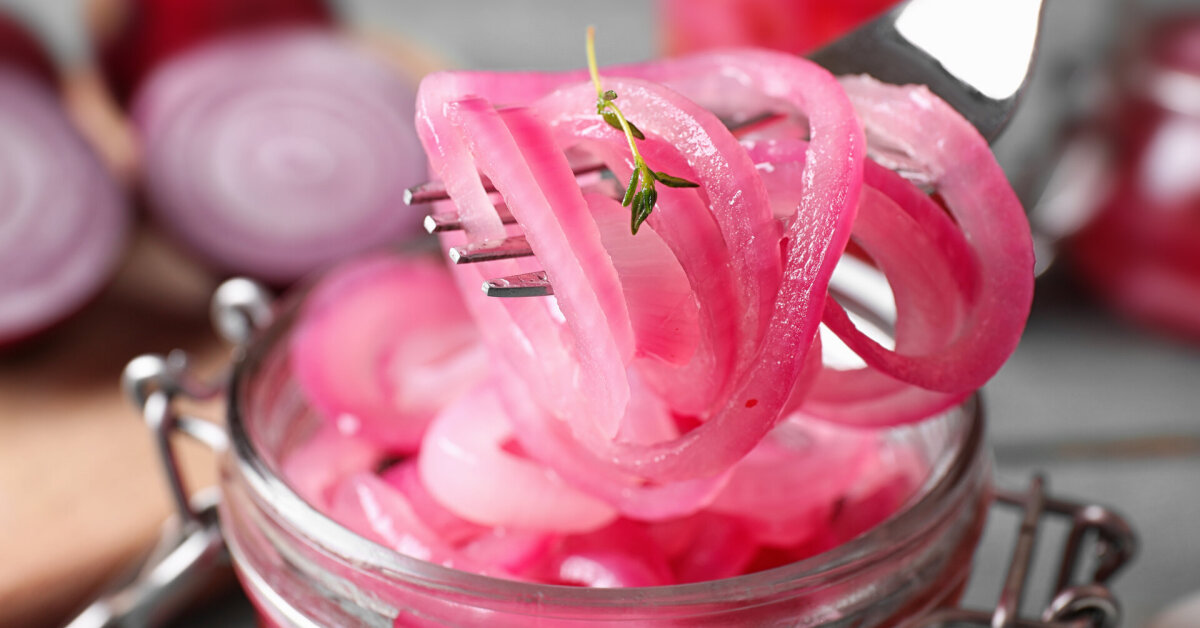
Regular consumption of onions may contribute to improved cardiovascular health by helping to regulate blood pressure, according to recent nutritional research. Scientists have identified specific bioactive compounds within the allium family that appear to assist in relaxing blood vessels, thereby facilitating smoother blood flow and reducing the mechanical strain on the heart. While onions have long been a staple in global diets for their flavor profile, these findings underscore their potential role as a functional food in managing hypertension and supporting long-term vascular wellness.
The cardiovascular benefits of onions are primarily linked to their high concentration of quercetin, a type of plant-based flavonoid. According to the American Heart Association, flavonoids are potent antioxidants that help reduce inflammation and improve arterial function. When consumed regularly, these compounds help the body manage oxidative stress, which is a known contributor to the stiffening of arteries—a condition that frequently precedes high blood pressure. By promoting vasodilation, or the widening of blood vessels, quercetin helps ensure that blood circulates with less resistance.
The Role of Quercetin in Vascular Health
Quercetin is not just an antioxidant; it acts as a signaling molecule that influences the pathways responsible for blood pressure regulation. Research published by the National Institutes of Health (NIH) indicates that quercetin supplementation can lead to a significant reduction in both systolic and diastolic blood pressure in hypertensive patients. The mechanism involves the activation of potassium channels and the inhibition of enzymes that typically cause vessel constriction.

Unlike synthetic medications, the quercetin found in onions is bioavailable, meaning the body can effectively absorb and utilize it during digestion. While raw onions typically contain higher concentrations of these heat-sensitive flavonoids, lightly cooking them or incorporating them into various dishes still provides measurable health advantages. Nutritionists suggest that the synergy between the fiber, vitamins, and phytochemicals in onions creates a comprehensive profile that supports metabolic health beyond just blood pressure management.
Incorporating Onions into a Heart-Healthy Diet
Integrating onions into daily meals is a practical strategy for those looking to improve their heart health through dietary adjustments. Experts recommend a consistent intake rather than sporadic consumption to maintain steady levels of beneficial compounds in the bloodstream. Because onions are low in calories and sodium, they serve as an ideal seasoning alternative to salt, which is a major driver of hypertension.
For those looking to maximize these benefits, pairing onions with other heart-healthy foods—such as leafy greens, fatty fish, and legumes—can enhance the overall nutritional impact. The Centers for Disease Control and Prevention (CDC) notes that dietary patterns emphasizing plant-based whole foods are consistently associated with lower risks of heart disease and stroke. Replacing high-sodium flavorings with fresh onions, garlic, and herbs is a simple, evidence-based step toward reducing daily sodium intake, which is critical for those already managing blood pressure concerns.
What to Consider When Adjusting Your Diet
While the inclusion of onions is a positive step for most individuals, it is not a replacement for prescribed medical treatment for hypertension. Patients currently taking blood pressure medication should consult with their healthcare providers before making significant changes to their diet or relying on specific foods to manage their condition. According to the World Health Organization (WHO), hypertension management requires a multifaceted approach, including regular monitoring, medication adherence, and lifestyle modifications.
Furthermore, some individuals may experience gastrointestinal sensitivity to certain compounds in onions, such as fructans. If you notice digestive discomfort, adjusting the quantity or the preparation method—such as fermenting or thoroughly cooking the onions—may help. The goal is to maintain a sustainable, long-term dietary habit that supports the body’s natural regulatory systems without causing unnecessary distress.
Future clinical trials are expected to further clarify the exact dosage of quercetin required to achieve specific blood pressure outcomes in diverse populations. For now, incorporating a variety of onions into a balanced diet remains a safe and effective way to bolster cardiovascular health. Readers are encouraged to monitor their blood pressure regularly and discuss any dietary shifts with a primary care physician. Please feel free to share your thoughts or favorite heart-healthy onion recipes in the comments section below.