
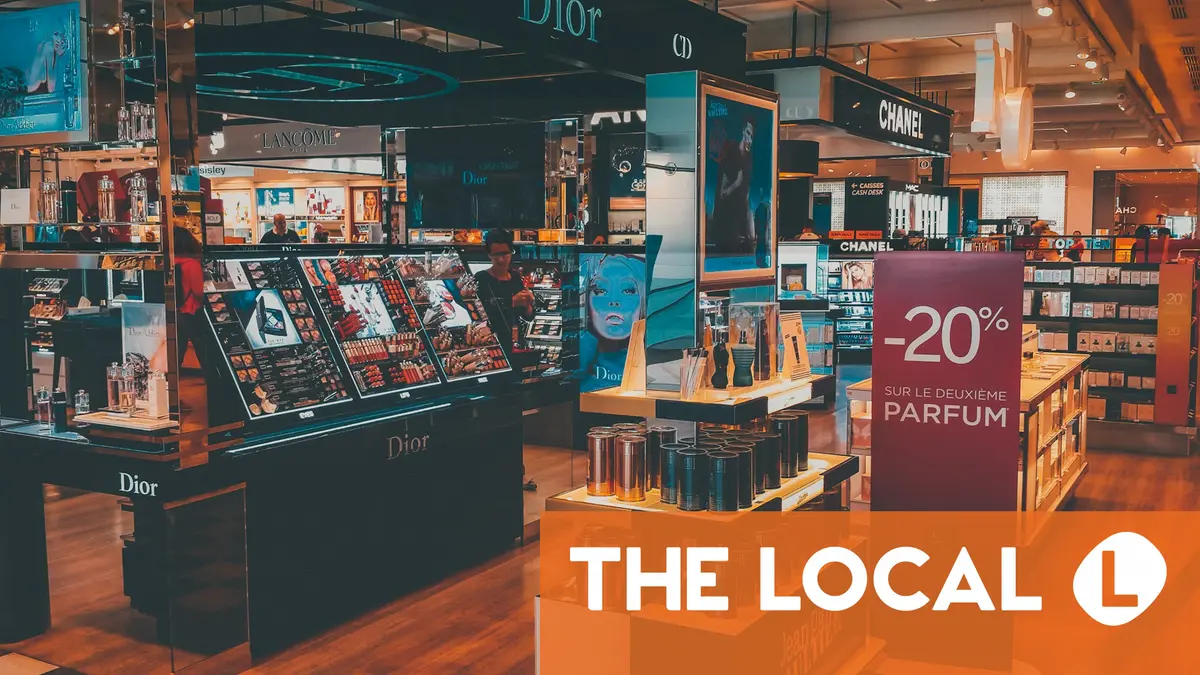
Shopping at duty-free stores in Norwegian airports is not a guaranteed method for securing lower prices, as the cost-benefit ratio depends heavily on the specific category of goods and the current exchange rates. While the elimination of certain taxes can lower the sticker price, competitive pricing in standard retail outlets and fluctuating currency values often narrow or eliminate the perceived savings for travelers, according to reports from consumer research groups like Forbrukerrådet.
For many residents and international travelers, the duty-free shop is a standard stop before boarding a flight. The assumption is that because the goods are sold in a tax-exempt zone, they must be cheaper than those found on the high street. However, the reality of global retail pricing and the specific tax structure in Norway—which maintains some of the world’s highest excise duties on tobacco and alcohol—creates a complex landscape for the average shopper.
Understanding the Duty-Free Advantage
The core concept of duty-free shopping is the exemption from local import duties and taxes, such as Value Added Tax (VAT), for goods sold to individuals leaving the country. In Norway, this primarily benefits travelers purchasing alcohol and tobacco, which are subject to substantial government-imposed “sin taxes.” According to the Norwegian Tax Administration, these goods are sold at terminals without the standard domestic markups that account for a significant portion of the retail price in a regular supermarket.

However, the savings are often mitigated by the fact that many duty-free operators utilize a pricing strategy based on the international travel market rather than local domestic competition. A study by NRK on consumer habits highlighted that while high-excise goods like spirits often remain cheaper in airport terminals than at state-run Vinmonopolet outlets, other luxury items such as perfumes, cosmetics, and electronics are frequently priced at levels comparable to, or sometimes higher than, discounted retail chains.
The Impact of Currency and Competition
Price transparency is often obscured by the “airport premium.” Travelers are a captive audience, and retailers at major transport hubs like Oslo Airport (OSL) face high operating costs, which are occasionally reflected in the base price of goods. Furthermore, the strength of the Norwegian krone (NOK) plays a vital role. When the krone is weak against the Euro or the US Dollar, the cost of imported goods in duty-free shops rises, often negating the benefits of the tax exemption.

According to data from Statistics Norway (SSB), inflation and the rising cost of logistics have forced retailers to adjust their margins frequently. Shoppers who compare the price of a specific fragrance or a bottle of wine at the airport against an online search for the same item at a domestic retailer will often find that the difference is negligible. In some instances, major grocery chains running seasonal promotions on goods like chocolate or skincare products offer lower prices than the duty-free equivalents.
What Should Travelers Consider?
To determine if a purchase is truly a bargain, travelers should adopt a few practical habits before arriving at the terminal:

- Check Domestic Prices: Use mobile apps or websites of major Norwegian retailers to check the current price of items you intend to buy at the airport.
- Prioritize High-Excise Goods: Focus duty-free shopping on products with high domestic taxes, such as spirits and tobacco, where the tax savings remain most significant regardless of retail margins.
- Watch the Exchange Rate: If you are traveling to a destination where the local currency is volatile, consider how the conversion rate at the register might affect the final cost of your purchase.
- Evaluate Exclusives: Some brands offer “travel retail exclusive” products that are not sold in standard stores. Since these cannot be price-matched, the value proposition is subjective.
The Avinor Group, which operates the majority of Norway’s airports, maintains that the duty-free revenue is essential for the financing of airport operations and infrastructure. This model ensures that the burden of airport maintenance is partially shifted from the taxpayer and the airlines to the consumers who choose to purchase duty-free goods.
Future Market Trends
Regulatory discussions regarding the future of duty-free allowances continue to surface in the Norwegian Parliament. Any future changes to the quota system—which dictates how much alcohol and tobacco a traveler can bring back into the country—will likely impact the profitability and pricing strategies of airport retailers. As of the latest update from the Norwegian Customs, travelers are advised to verify current quota limits before traveling to avoid unexpected duties upon arrival.
For those looking for the latest information on allowances and customs regulations, the official Norwegian Customs website remains the most reliable source for updates. Travelers are encouraged to share their experiences with airport pricing in the comments section below to help others identify which items consistently offer the best value.