
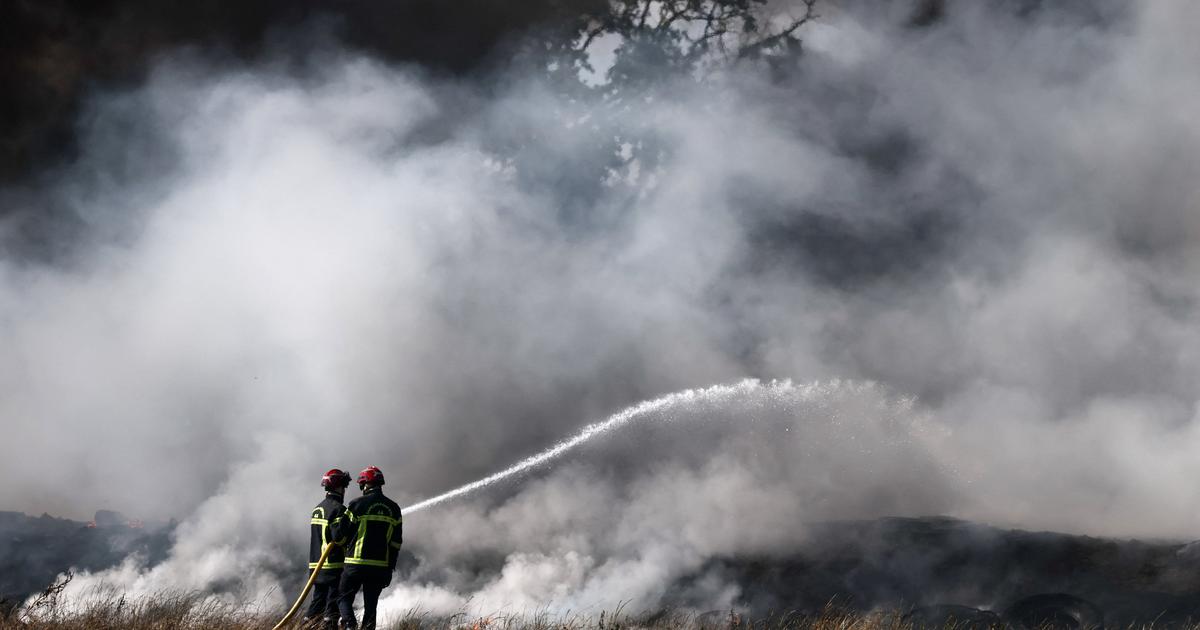
French emergency services have deployed more than 2,000 firefighters to combat a series of early-season forest fires, as government officials warn that shifting climate conditions are creating increasingly volatile conditions for rural France. Interior Minister Gérald Darmanin is scheduled to visit the Aude department on Friday to assess the situation on the ground and coordinate with local emergency management teams.
The mobilization follows a period of unseasonably warm and dry weather that has raised concerns among national authorities regarding the risks of wildfires occurring well before the traditional summer season. According to public statements from French government officials, including Minister of the Interior Gérald Darmanin, the early onset of these fires is being linked to broader climatic shifts that have impacted soil moisture and vegetation health across southern regions.
The Scope of the Emergency Response
The current operational response involves a significant allocation of human and technical resources. With over 2,000 personnel engaged, the effort focuses on containment and the protection of residential areas near the affected zones. The Aude department, located in the Occitanie region, has been identified as a primary focus for the government due to the intensity of the fire activity in the area.

According to the French Ministry of the Interior, the deployment of such a large contingent of specialized firefighters early in the spring is part of a proactive strategy to prevent smaller blazes from escalating into uncontrollable fire fronts. This strategy relies on rapid intervention units, which are trained to handle the specific topography of southern French forests, characterized by dense scrubland known as garrigue, which is highly susceptible to rapid fire spread under windy conditions.
Climatic Factors and Early-Season Risks
Government officials have noted that the intensity of these early-season events is unusual. In discussions regarding the current state of national preparedness, authorities have indicated that the combination of cumulative winter drought and spring heatwaves has created a “high-risk” environment. These conditions allow fires to move with greater velocity than is typically expected during the months of March and April.
The Météo-France meteorological agency regularly tracks soil moisture levels across the country, providing the critical data points that inform the Ministry of the Interior’s fire risk assessments. When these levels drop below seasonal norms, local prefectures are empowered to issue bans on agricultural burning and restrict access to high-risk forested areas to mitigate the risk of human-caused ignitions.
Coordinating the National Strategy
The visit by Minister Darmanin to the Aude department on Friday serves as a key checkpoint for the current emergency operation. Beyond the immediate firefighting efforts, the visit is intended to facilitate a review of the coordination between local fire departments (SDIS) and national Civil Security assets. This includes evaluating the readiness of aerial firefighting fleets, such as the Canadair planes and Dash aircraft, which are essential for tackling fires in rugged or inaccessible terrain.

The government’s approach to wildfire management has undergone significant revisions in recent years, influenced by the severe fire seasons of 2022 and 2023. These revisions include increased funding for equipment upgrades and a focus on forest management policies designed to create firebreaks. The effectiveness of these measures will be closely monitored as the country enters the warmer months. Residents in the affected regions are encouraged to monitor updates from their local Prefecture of Aude for real-time safety advisories and evacuation notices.
As the situation remains fluid, further updates are expected following the Minister’s assessment on Friday. Readers are encouraged to share this report and stay informed through official government channels regarding public safety measures in the coming days.