
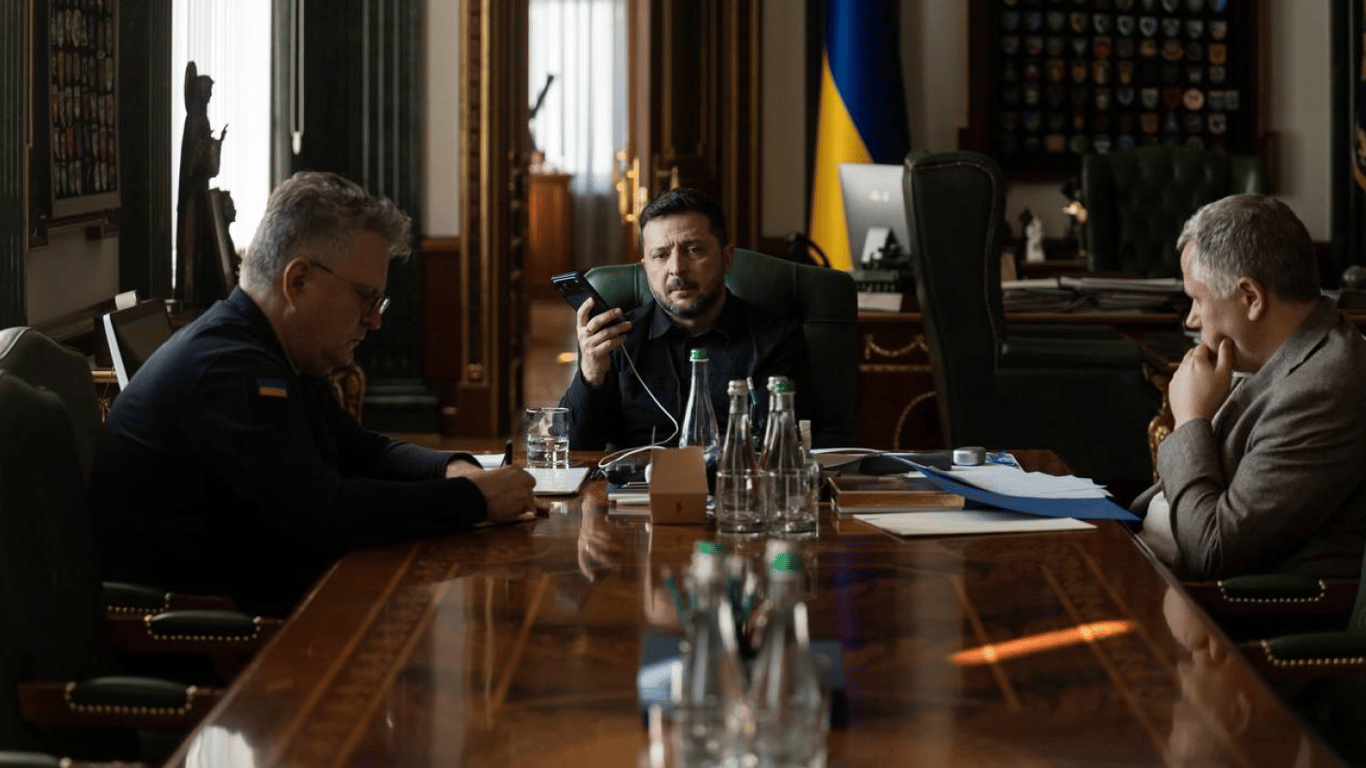
Ukrainian President Volodymyr Zelensky and Finnish President Alexander Stubb are coordinating defense priorities and exploring new diplomatic formats to secure a sustainable peace in Ukraine. Their discussions focus on strengthening military aid, enhancing security guarantees, and integrating Ukraine further into European security frameworks following Finland’s accession to NATO.
The dialogue between Kyiv and Helsinki has intensified as Finland transitions its role from a neutral partner to a frontline NATO member. According to official statements from the Office of the President of Finland, the cooperation centers on immediate battlefield needs and the long-term architectural shift of European security. President Zelensky has emphasized that these “formats for promoting diplomacy” are essential for moving toward a resolution that respects Ukrainian sovereignty.
Finland has emerged as a critical logistics and training hub for Ukrainian forces. Since the full-scale invasion began in February 2022, Helsinki has provided substantial military assistance, including artillery, ammunition, and specialized training for Ukrainian troops. This partnership is now evolving to include deeper industrial cooperation and a shared strategy on border security along the Russian frontier.
What are the primary defense priorities for Ukraine and Finland?
Defense priorities currently center on the delivery of high-precision weaponry and the sustainability of ammunition supplies. Finland has contributed significant quantities of 155mm artillery shells and other munitions to help Ukraine maintain its defensive lines. According to the Finnish Defence Forces, the focus remains on providing equipment that matches the operational needs of the Ukrainian Armed Forces while ensuring Finland’s own national defense capabilities remain robust.
Beyond hardware, the two nations are prioritizing the professionalization of the Ukrainian military through NATO-standard training. Finland’s expertise in territorial defense and forest warfare is particularly relevant to the Ukrainian theater. This cooperation includes training programs designed to integrate Ukrainian command structures with Western standards, a necessary step for any future NATO integration.
Economic security has also moved to the forefront of the defense agenda. Both leaders have discussed the role of the defense industry in creating a sustainable supply chain. Rather than relying solely on one-off donations, the discussions involve exploring joint ventures and maintenance hubs within Ukraine to reduce the logistical burden of transporting equipment from Western Europe.
How are Zelensky and Stubb approaching diplomatic formats for peace?
President Zelensky is actively seeking international support for his “Peace Formula,” a multi-point plan that demands the full withdrawal of Russian forces and the restoration of Ukraine’s territorial integrity. President Alexander Stubb has signaled Finland’s support for a peace process that is driven by Ukraine and based on international law. In recent interactions, Zelensky stated that the two leaders are “exploring formats to promote diplomacy,” suggesting a move toward more structured, multi-lateral negotiations.
These diplomatic formats likely involve the coordination of “Peace Summits” where global leaders, including those from the Global South, are invited to align on the terms of a ceasefire. Finland’s role in these discussions is to act as a bridge between the Nordic-Baltic bloc and the broader European Union, ensuring that security guarantees for Ukraine are credible and enforceable.
The diplomatic strategy also encompasses Ukraine’s path toward European Union membership. Finland has been a consistent advocate for Ukraine’s EU candidacy, viewing economic integration as a primary deterrent against future aggression. According to reports from the Reuters news agency, Finland views the EU accession process as a tool for institutional reform and anti-corruption efforts within Ukraine, which in turn strengthens the country’s resilience.
Why does Finland’s NATO membership change the security dynamic?
Finland’s official entry into NATO on April 4, 2023, fundamentally altered the strategic map of Northern Europe. By joining the alliance, Finland eliminated a significant “grey zone” and extended NATO’s border with Russia by over 1,300 kilometers. This shift provides Ukraine with a more secure northern flank and a partner that shares a direct, historical understanding of Russian strategic behavior.
The “Nordic-Baltic” axis—comprising Finland, Sweden, Estonia, Latvia, Lithuania, Denmark, and Norway—now operates as a cohesive security unit. This alignment allows for more efficient intelligence sharing and coordinated military responses. For Ukraine, this means that Finnish support is no longer just bilateral aid but is part of a broader, integrated NATO security framework.
Furthermore, Finland’s membership allows it to advocate for Ukraine’s eventual NATO membership from within the alliance. President Stubb has frequently noted that while the timeline for Ukraine’s accession remains a subject of debate among member states, the goal of ensuring Ukraine is not left in a security vacuum is a priority for the Nordic countries.
What are the implications for regional stability?
The cooperation between Zelensky and Stubb is not merely about the current conflict but about the “post-war” security architecture. The goal is to prevent a return to the instability of the 1990s by establishing clear, written security guarantees. Finland’s transition from military non-alignment to NATO membership serves as a precedent for how states can shift their security posture in response to direct threats.
There is also a significant focus on hybrid threats. Finland has faced increased pressure on its borders, including the instrumentalization of migration by Russia. By sharing intelligence and strategies on how to counter these “grey zone” tactics, Finland and Ukraine are developing a blueprint for defending democratic institutions against non-conventional warfare.
The economic impact of this security shift is evident in the increased trade and investment between Helsinki and Kyiv. Finnish companies in the construction, energy, and technology sectors are increasingly looking toward Ukraine’s reconstruction phase. This “defense-to-development” pipeline ensures that the military partnership evolves into a long-term economic alliance.
What happens next in Ukraine-Finland relations?
The immediate next steps involve the finalization of new military aid packages and the coordination of upcoming diplomatic summits. Both leaders are expected to maintain a high frequency of communication to synchronize their positions ahead of broader EU and NATO meetings.
Observers will be watching for official announcements regarding specific “diplomatic formats” that Zelensky referenced. If these formats materialize into a new international coalition or a structured negotiation framework, it could signal a shift in how the international community approaches the conflict’s conclusion.
The next confirmed checkpoint for these relations will be the upcoming bilateral reviews of military aid and the scheduled high-level meetings within the NATO framework, where Finland’s integration into the alliance’s eastern flank will be further refined.
Do you believe the integration of Nordic security strategies will accelerate Ukraine’s path to NATO? Share your thoughts in the comments below.