
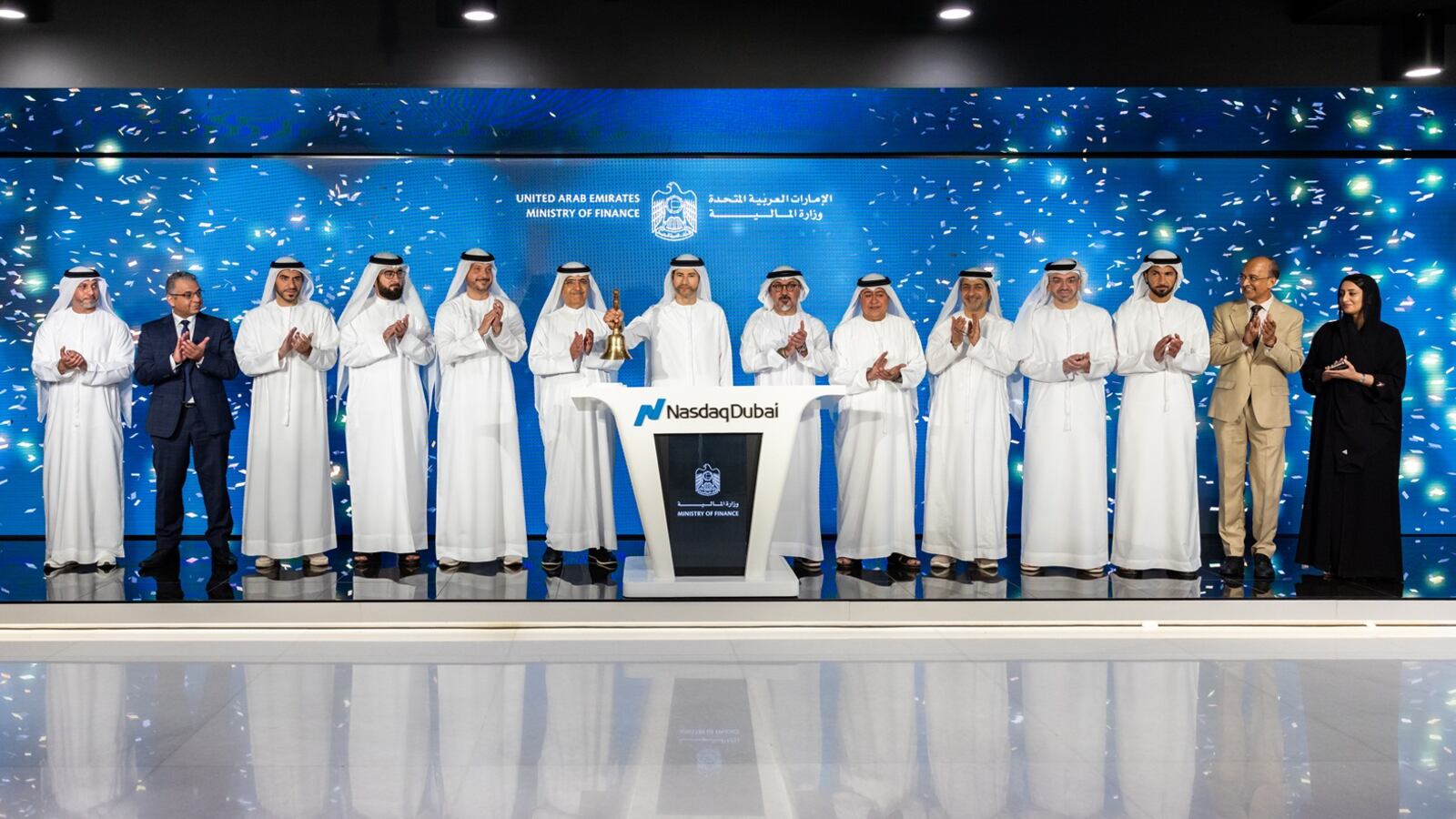
The United Arab Emirates (UAE) has significantly expanded its sovereign retail sukuk issuance after receiving overwhelming demand, with the Finance Ministry reporting Dh445 million in subscription orders for a Dh50 million offering, according to official statements. The government subsequently doubled the sukuk size, signaling strong investor confidence in the Gulf’s Islamic financial market. Nearly half of the subscribers were women or investors under 25, marking a shift in demographic participation, as reported by local financial analysts.
The sukuk, a debt instrument compliant with Islamic law, was launched as part of the UAE’s broader strategy to diversify its financial markets and attract retail investors. The initial offering of Dh50 million saw subscriptions nine times the targeted amount, prompting the government to increase the issuance to Dh100 million. While the exact timeline of the decision to double the sukuk remains unconfirmed, the move aligns with the UAE’s efforts to modernize its capital markets and broaden access to Islamic finance products.
“This reflects a growing appetite for Sharia-compliant investments among younger and female investors,” said a senior economist at the Dubai School of Government, citing data from the UAE Central Bank. The demographic shift underscores the evolving nature of the Gulf’s financial sector, where traditional investor profiles are being challenged by new entrants. However, the Ministry of Finance has not yet provided detailed breakdowns of the subscriber base, leaving some aspects of the report unverified.
Understanding the Sukuk Mechanism and Market Context
Sukuk, often referred to as “Islamic bonds,” function similarly to conventional bonds but adhere to Sharia principles, which prohibit interest (riba) and require asset-backed investments. The UAE’s sukuk issuance is part of a broader regional trend, with Gulf Cooperation Council (GCC) countries increasingly leveraging Islamic finance to attract global capital. In 2023, the GCC’s sukuk market reached a record amount, according to a report by the Islamic Financial Services Board (IFSB).
The UAE’s retail sukuk initiative targets individual investors, offering a lower entry point compared to institutional offerings. This approach contrasts with the traditional model, where sukuk are predominantly accessed by large financial institutions and sovereign wealth funds. The government’s decision to prioritize retail participation aligns with its Vision 2021 and 2040 goals, which emphasize economic diversification and financial inclusion.
However, the success of the retail sukuk depends on regulatory frameworks and investor education. The UAE’s Securities and Commodities Authority (SCA) has implemented measures to ensure transparency, including mandatory disclosure of sukuk terms and risk assessments. Despite these efforts, challenges remain, such as the need for greater awareness of Islamic finance principles among retail investors.
Demographic Shifts and Market Implications
The reported participation of women and young investors in the sukuk offering highlights a significant demographic shift. According to the World Bank, women in the UAE hold a significant portion of managerial roles in the financial sector, but their direct investment in capital markets remains limited.
The Ministry of Finance has not released a detailed report on subscriber data, and no third-party analyses have confirmed the figures.
The implications of this shift extend beyond the UAE. As the Gulf’s largest economy, the UAE’s financial innovations often set precedents for regional markets. The sukuk’s focus on retail investors could encourage other GCC countries to adopt similar strategies, potentially expanding the reach of Islamic finance. However, experts caution that sustained growth will require addressing systemic barriers, such as regulatory harmonization and cross-border investment facilitation.
Financial Sector Reactions and Future Outlook
The sukuk’s rapid subscription has drawn praise from financial institutions and investors. “This is a landmark moment for the UAE’s capital markets,” said Ahmed Al Marzouqi, CEO of a Dubai-based investment firm. “The demand reflects confidence in the UAE’s economic stability and its commitment to innovation in financial services.” Al Marzouqi’s comments align with broader market sentiment, as the UAE’s stock market has seen a notable increase in retail participation, according to the Dubai Financial Market (DFM).

Despite the optimism, challenges persist. The sukuk’s success may be influenced by short-term market conditions, such as low interest rates and global liquidity. Analysts at HSBC noted that the UAE’s sukuk issuance comes at a time of heightened competition in the global Islamic finance sector, with countries like