
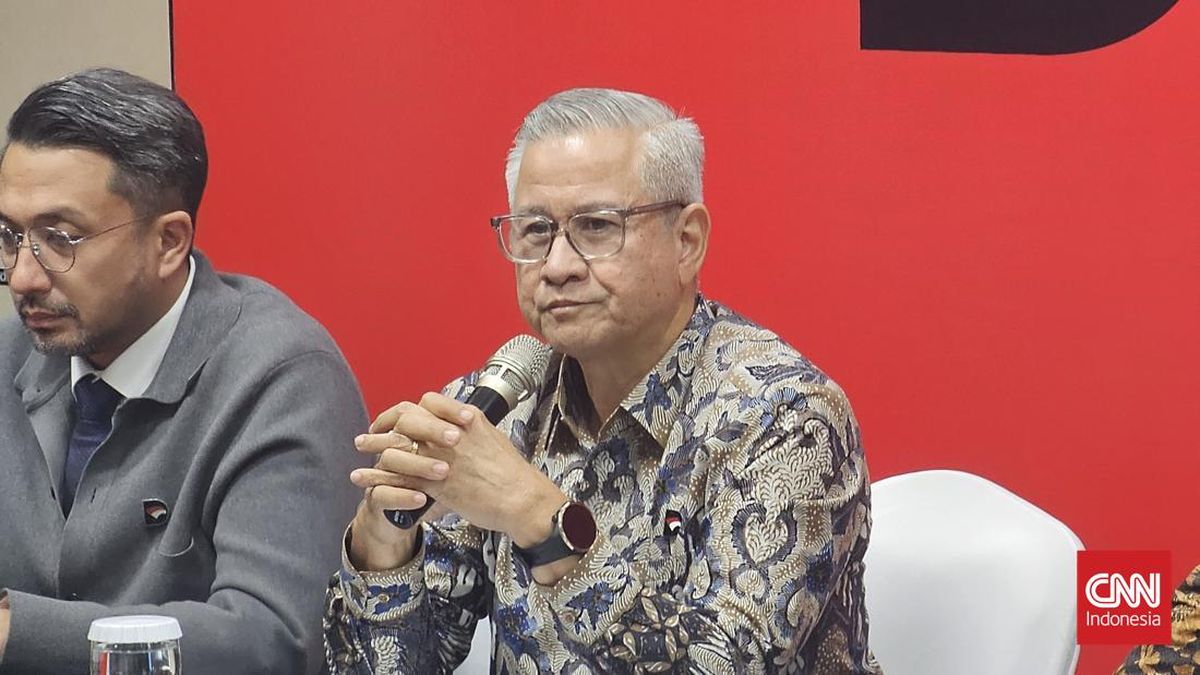
The management of PT Pos Indonesia has undergone a significant transition following the resignation of Daud Joseph. The departure, which has prompted increased scrutiny from the Indonesian government’s newly established investment management agency, Danantara, follows reports of internal financial irregularities within the state-owned postal service.
Danantara has publicly acknowledged the leadership change as it initiates a broader review of the company’s financial health. According to statements provided by government officials, the agency is currently conducting an audit to address allegations of financial engineering, which purportedly impacted the company’s reported performance metrics.
Leadership Transition at PT Pos Indonesia
Daud Joseph officially stepped down from his role at PT Pos Indonesia. The company has moved to assure stakeholders that the transition will not disrupt daily operations. In a public statement, PT Pos Indonesia confirmed that the postal and logistics services provided to the public remain stable and are functioning according to standard protocols despite the change in executive leadership.

The resignation comes at a time when the Indonesian government is consolidating its oversight of state-owned enterprises (SOEs). Danantara’s involvement marks a shift toward more centralized management of national assets. As reported by financial news outlets tracking the state-owned sector, the agency is prioritizing transparency in the wake of concerns regarding the accuracy of the company’s recent financial disclosures.
Investigation into Financial Reports
The primary focus of the ongoing review centers on allegations of financial manipulation. Reports indicate that Danantara is investigating whether PT Pos Indonesia utilized accounting practices to inflate its financial standing, particularly regarding the company’s SAL 2025. These allegations suggest that the figures presented in recent internal reports may not accurately reflect the company’s actual liquidity or operational profitability.
Financial analysts note that “window dressing” in state-owned enterprises often involves the strategic timing of expenses or the recognition of revenue to meet performance targets. The investigation led by Danantara is intended to verify whether these practices occurred and to determine the extent of any potential discrepancies in the company’s financial statements.
Operational Continuity and Future Outlook
While the investigation into financial management continues, the operational mandate of PT Pos Indonesia remains unchanged. The company continues to fulfill its obligations as the national provider of postal services, logistics, and financial services in Indonesia. Management has emphasized that the corporate restructuring is an internal process aimed at strengthening governance and long-term sustainability.
For stakeholders and the public, the current focus remains on the appointment of a successor to Daud Joseph. The Ministry of State-Owned Enterprises is expected to provide further guidance on the leadership search and the timeline for the audit’s findings. Observers of the Indonesian business landscape are monitoring these developments, as they serve as a test case for Danantara’s ability to enforce rigorous financial standards across the national portfolio.
As of this reporting, no formal charges have been filed, and the audit process is ongoing. Further updates regarding the leadership transition and the findings of the financial review are expected to be released through official government channels and the Ministry of SOEs’ public communications department.
Readers interested in the official status of PT Pos Indonesia’s corporate governance can monitor the Ministry of State-Owned Enterprises (BUMN) website for forthcoming press releases and executive appointments. We welcome your insights on the evolving landscape of Indonesia’s state-owned logistics sector in the comments below.