
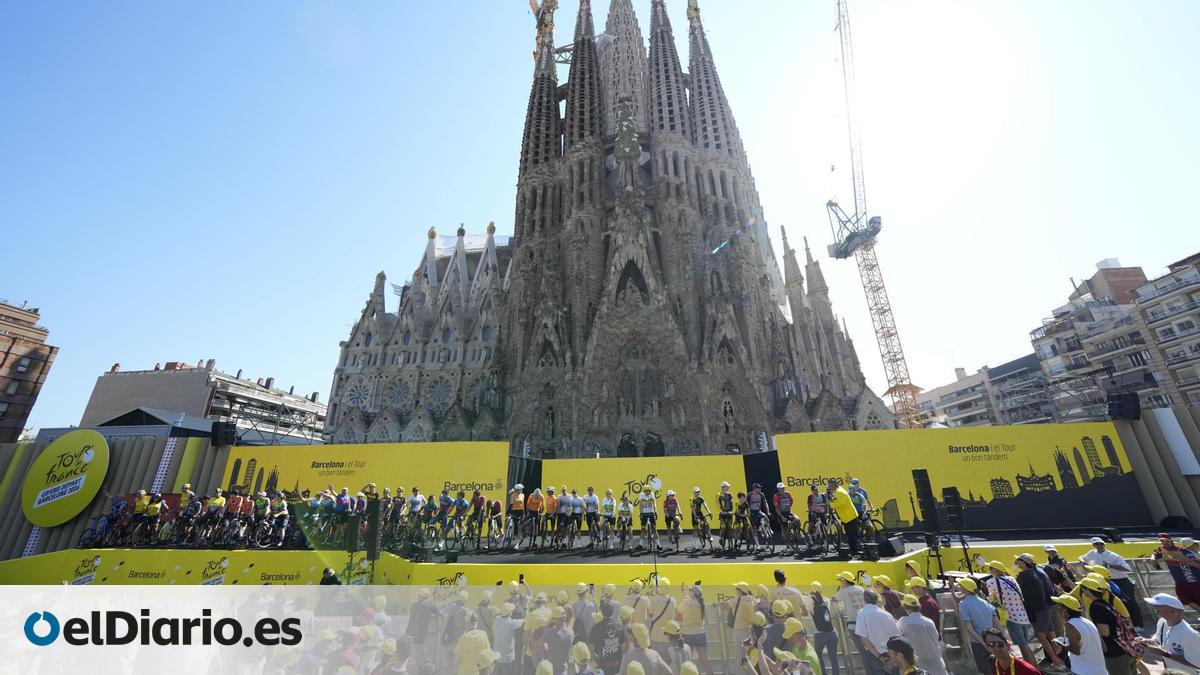
Barcelona is currently navigating a complex tension between its status as a premier global destination and mounting local pressure to curb mass tourism. Within a single 30-day window in mid-2026, the city hosted high-profile international events—including the Grand Départ of the Tour de France and a major religious gathering featuring the Pope—while local government officials simultaneously intensified rhetoric against the current tourism model. This juxtaposition highlights the ongoing challenge of balancing international branding with resident-led demands for urban sustainability.
The city’s ability to attract large-scale global events remains undiminished, even as municipal leaders, led by Mayor Jaume Collboni, have pursued aggressive policies to limit the sector’s growth. According to the Barcelona City Council, recent legislative efforts have focused on restricting the number of tourist apartments and reallocating urban space to prioritize resident needs over short-term rentals. These actions reflect a broader shift in Mediterranean urban planning, where the “touristification” of city centers has become a central point of political contention.
The Paradox of High-Profile Hosting
Hosting global spectacles like the Tour de France brings significant international visibility and economic activity. However, these events often exacerbate the very pressures that local residents cite as evidence of an “over-touristed” city. The influx of visitors during these peak periods places immediate strain on public infrastructure, transit, and local services. For many residents, the contrast between the city’s marketing as a global hub and the daily reality of rising housing costs and overcrowded neighborhoods creates a palpable disconnect.

Recent reports from the Catalan News Agency indicate that the local administration is attempting to decouple economic success from sheer visitor volume. By targeting specific types of tourism and implementing stricter regulations on cruise ship terminals and hotel licenses, the city is attempting to transition toward a model that favors “quality over quantity.” Yet, the successful execution of massive logistical operations—such as the Tour de France stage arrivals—demonstrates that the city’s infrastructure remains optimized for large-scale international engagement.
Regulatory Shifts and Resident Demands
The legislative landscape in Barcelona has changed significantly over the last two years. As documented by official State Gazette records regarding regional urban planning, authorities have been granted broader powers to regulate tourist accommodation density. These measures are designed to curb the displacement of long-term residents, a phenomenon that has sparked widespread public protests in the Gothic Quarter and surrounding districts.
Critics of the current administration argue that the rhetoric against tourism is performative, noting that the city continues to bid for and secure major international events. Supporters, however, point to the necessity of these events for maintaining the city’s global standing, arguing that it is possible to host such events without reverting to the unregulated tourism growth of the past decade. The debate is largely centered on the “tourist tax” and how those revenues are redistributed back into social housing and public services rather than into tourism promotion.
What Lies Ahead for Barcelona’s Tourism Strategy
The next major policy checkpoint involves the final implementation of the 2027 tourism management plan, which is expected to be finalized by the City Council later this year. This framework will likely determine the long-term viability of the current restrictions on short-term rentals and set the tone for future event hosting. Residents and industry stakeholders are closely monitoring these developments, as the outcome will set a precedent for other European cities facing similar challenges, such as Venice, Amsterdam, and Lisbon.
As Barcelona continues to balance its global identity with the needs of its citizens, the tension between these two forces shows no sign of abating. The city remains a case study in the difficulties of managing a post-pandemic tourism boom while addressing the fundamental rights of those who call the city home. We invite readers to share their perspectives on the balance between city branding and resident quality of life in the comments section below.