

A significant plot inconsistency in the 1994 film Star Trek Generations stems from the removal of an exposition scene that clarified the technical limitations of the Enterprise-D’s saucer section. Fans have long debated why the starship’s crew did not simply use the ship’s transporters to escape the impending destruction of Veridian III, a question that remains one of the most frequently cited critiques of the film’s screenplay.
According to the film’s production history and subsequent commentary from the creative team, the answer lies in a discarded script sequence intended to establish that the ship’s transporter systems were offline due to battle damage. Without this scene, the transition from the battle with the Duras sisters to the evacuation of the saucer section leaves a logical gap that forces viewers to assume the technology is suddenly unavailable without explicit on-screen confirmation.
The Technical Limitation of the Enterprise-D
In the final theatrical cut of Star Trek Generations, the USS Enterprise-D suffers catastrophic damage after a confrontation with a Klingon Bird-of-Prey. Captain Jean-Luc Picard, portrayed by Patrick Stewart, orders the separation of the saucer section to protect the crew from the imminent warp core breach of the engineering hull. The saucer section subsequently crash-lands on the surface of Veridian III. The film’s narrative relies on the premise that the crew is stranded on the planet’s surface, yet the script fails to clarify why the ship’s advanced transporter technology—a staple of 24th-century Starfleet operations—could not be utilized to beam the crew to safety or to another vessel.

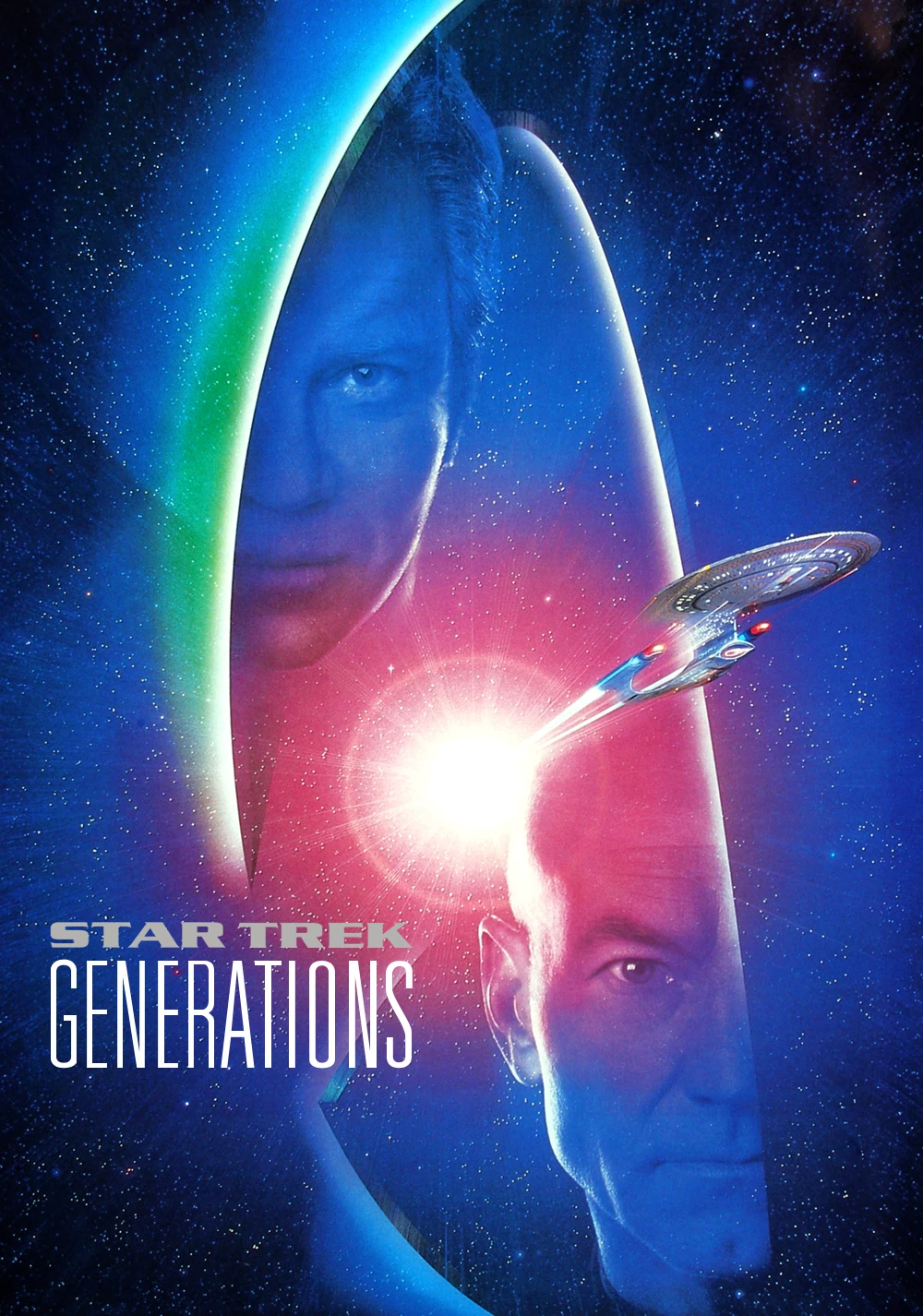
Production documents and interviews with the film’s writers, Brannon Braga and Ronald D. Moore, have historically indicated that the script underwent several revisions during the transition from television production to feature film. As noted in the official Star Trek database, Memory Alpha, the original intent was to show that the transporter arrays were incapacitated during the initial volley from the Klingon vessel. The omission of this specific dialogue or visual cue during the editing process left the audience without the necessary context to understand why the crew was forced to rely on a manual crash landing.
Why the Missing Scene Matters for Continuity
The impact of this deleted scene extends beyond mere technical curiosity. In the context of the Star Trek franchise, where the “technobabble” of transporter systems often serves as a primary plot device for rescue missions, the absence of an explanation regarding their failure creates a dissonance for long-time viewers. By removing the scene, the film inadvertently turns a standard tactical failure into a perceived plot hole, as the audience is left to speculate on the operational status of the ship’s primary systems.
This type of editorial decision is common in big-budget science fiction, where pacing concerns often lead to the removal of exposition. However, as documented by StarTrek.com, the result in this instance was a narrative shortcut that prioritized the visual spectacle of the saucer crash over the internal logic of the ship’s capabilities. For viewers, understanding that the transporter was intentionally disabled by enemy fire—rather than simply forgotten by the writers—alters the perception of the crew’s decision-making process during the film’s climax.
Production Context and Legacy
Star Trek Generations served as a bridge between the The Next Generation television series and the film franchise. As reported by The Hollywood Reporter, the pressure to deliver a cinematic experience resulted in a final edit that was significantly tighter than the initial shooting script. The loss of exposition scenes was a frequent trade-off made to ensure the film maintained a brisk pace suitable for a theatrical release.
While the saucer crash sequence remains one of the most iconic visual effects moments in the film, the lingering question of the transporters serves as a reminder of the delicate balance between narrative efficiency and world-building. For enthusiasts of the series, the “transporter plot hole” remains a primary example of how editorial choices can fundamentally change the audience’s interpretation of a film’s internal logic. Future retrospectives on the film continue to highlight these moments as essential case studies in the difficulties of adapting long-running television properties for the big screen.
The next official updates regarding the Star Trek film franchise, including potential archival releases or production retrospectives, are typically announced via the official Star Trek portal. Readers are encouraged to share their own observations on the film’s continuity and the impact of deleted scenes in the comments section below.