
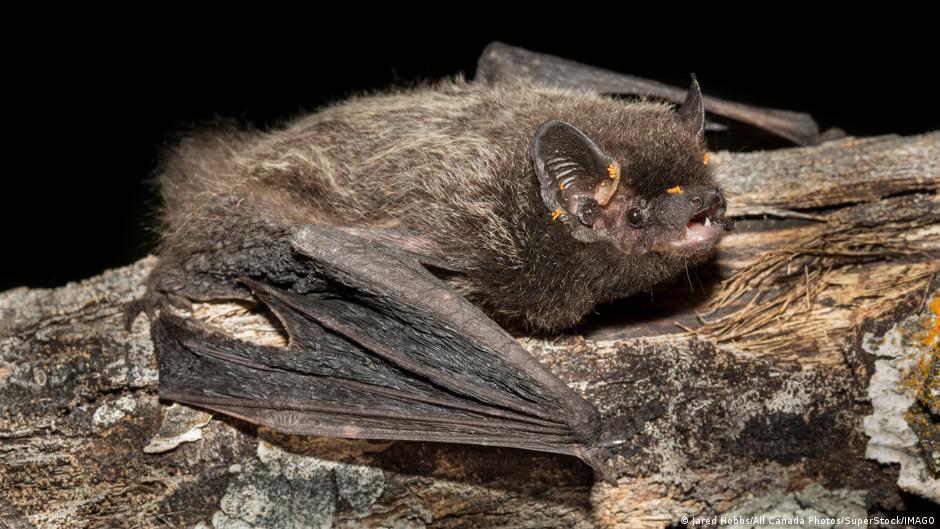
An 11-year-old boy in Vancouver, British Columbia, has died following a rare encounter with a bat that resulted in a fatal rabies infection. According to health officials at Vancouver Coastal Health, the child discovered the bat in his bedroom after waking up and subsequently died after the virus progressed to clinical stages. This incident marks a tragic reminder of the risks associated with wildlife contact, particularly involving bats, which are the primary carriers of the rabies virus in Canada.
Understanding the Transmission Risk
Rabies is a viral disease that attacks the central nervous system, and it is almost invariably fatal once symptoms appear. In this case, the child had been exposed to a bat while sleeping, a scenario that public health experts highlight as a significant risk factor. Because bat teeth are extremely small and sharp, they can cause puncture wounds that are difficult to detect or feel, meaning an individual may be exposed to the virus without realizing they have been bitten or scratched. According to the Public Health Agency of Canada, any direct contact with a bat, or waking up in a room where a bat is present, warrants immediate medical assessment to determine if post-exposure prophylaxis (PEP) is necessary.
The Role of Post-Exposure Prophylaxis
The fatality underscores the critical window for intervention. Rabies is 100% preventable if the series of vaccines and rabies immune globulin are administered before the onset of symptoms. The Centers for Disease Control and Prevention (CDC) emphasizes that because the incubation period for rabies can vary from a few weeks to several months, immediate reporting of any potential exposure—no matter how minor the injury may appear—is the only way to ensure survival. Once the virus travels from the bite site to the brain, current medical interventions are largely ineffective at preventing a fatal outcome.

Public Health Guidance on Wildlife
Health authorities across North America consistently advise against handling wild animals. Bats, in particular, are known carriers of the rabies virus, even if they appear healthy or are found grounded. The Vancouver Coastal Health authority has used this case to reiterate that if a bat is found in a home, residents should not attempt to handle it with bare hands. Instead, they should isolate the animal, if possible, without touching it, and contact local animal control or public health officials to arrange for testing. The virus is transmitted through saliva, meaning that even minimal contact with a bat’s mouth or a bite can lead to transmission.
What Happens Next
Public health investigations into such cases typically involve identifying the specific strain of the virus and conducting contact tracing to ensure no other family members or individuals were exposed to the same animal. While the investigation into this specific case remains focused on the circumstances of the initial exposure, the broader medical community is focusing on public education regarding the “sleep exposure” phenomenon. As of the latest updates, no further cases linked to this specific incident have been reported. For residents concerned about potential exposure, the guidance remains clear: seek emergency medical care immediately to receive the life-saving vaccination series.
If you have questions about this developing situation, please check for updates via official channels from the British Columbia Centre for Disease Control. We welcome your thoughts on how public health awareness can be improved; please share your comments below.