
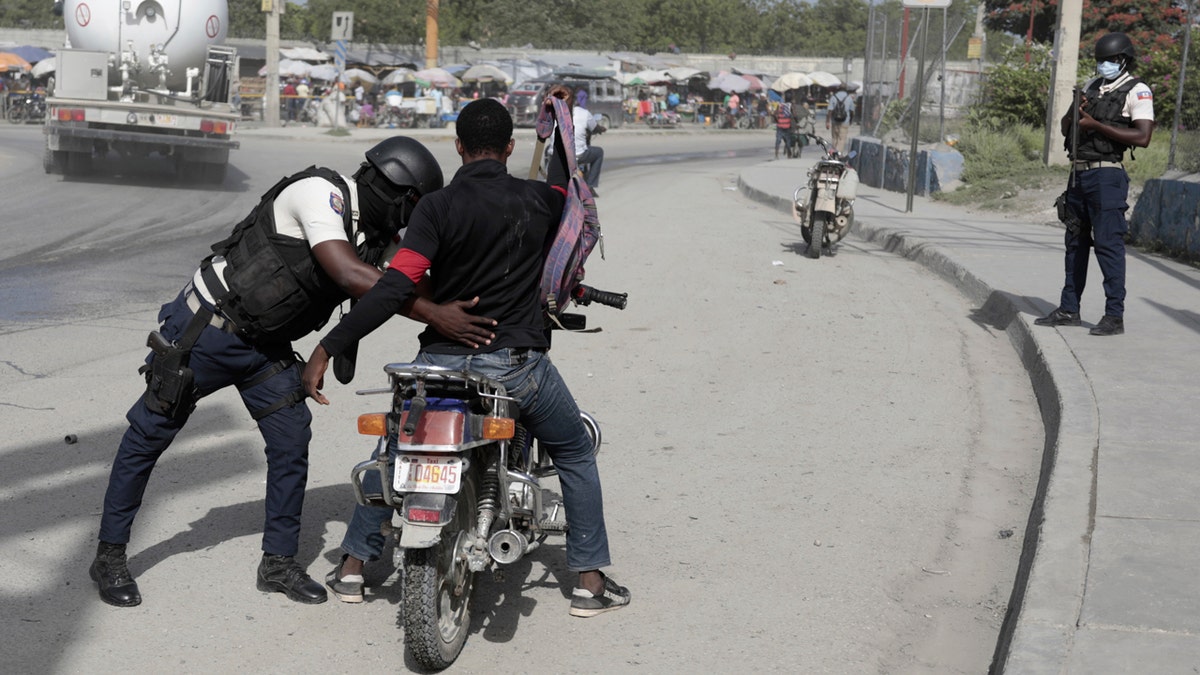
Human rights organizations in Kenya are reporting a rise in the forced disappearances of activists and political critics, raising concerns about the state of civil liberties ahead of the August 2027 presidential election. Advocates argue that the trend, which intensified following the widespread anti-government protests of 2024, signals a shrinking space for dissent as political maneuvering for the next electoral cycle begins.
According to the Kenya National Commission on Human Rights (KNCHR), an independent state agency, dozens of individuals were abducted or went missing during and after the “Gen Z” led protests that erupted in mid-2024 over the Finance Bill. The commission documented multiple cases of individuals taken by unidentified armed men, often in broad daylight, with many remaining unaccounted for months later. These events have drawn scrutiny from international observers who worry that such practices are becoming a tool to silence opposition before the 2027 vote.
The Context of Growing Political Tension
The current climate follows the significant civil unrest of June and July 2024, when thousands of Kenyans took to the streets to protest proposed tax hikes. The government’s response, characterized by the deployment of security forces, led to dozens of deaths and hundreds of injuries, as documented by Amnesty International Kenya. The organization has consistently called for an independent investigation into the conduct of law enforcement, noting that the pattern of abductions suggests a coordinated effort to intimidate protest leaders and digital activists.

As the country looks toward the 2027 presidential race, the political landscape remains volatile. Analysts note that the use of extrajudicial measures to control political discourse is not new in Kenya, but its application against a decentralized, youth-led movement has added a layer of complexity. The government has denied being behind the abductions, with police spokespersons frequently stating that investigations into missing persons are ongoing and that no state policy exists to target activists.
What International Observers Are Saying
International human rights bodies have expressed alarm at the reports. In recent updates, the United Nations Office of the High Commissioner for Human Rights (OHCHR) has urged the Kenyan government to ensure that all security operations comply with international human rights standards. The concern is that if these disappearances are not addressed through transparent legal processes, the democratic integrity of the 2027 elections could be severely compromised.

The fear among local activists is that the “disappearance” tactic serves to remove key organizers from the public eye during critical political windows. By keeping individuals incommunicado, authorities are accused of circumventing the constitutional requirement that detainees be brought before a court within 24 hours. The Constitution of Kenya (2010) explicitly protects the right to liberty and security of the person, yet legal experts argue that enforcement of these protections remains inconsistent in the face of alleged state-sanctioned abductions.
Legal Avenues and Public Accountability
Families of the missing have turned to the judiciary to demand the production of their loved ones. In several high-profile cases, the High Court of Kenya has issued *habeas corpus* orders, requiring the police to produce the detainees. However, compliance with these orders remains a point of contention between the judiciary and the executive branch, with families often reporting that their inquiries at police stations are met with silence or bureaucratic stalling.
For citizens, the path to accountability currently involves filing formal complaints with the KNCHR or seeking legal representation through organizations like the Law Society of Kenya (LSK). The LSK has been vocal in defending protesters and providing legal aid to those detained, emphasizing that the rule of law is the only mechanism that can prevent further erosion of Kenya’s democratic foundations as the election approaches.
Looking Toward 2027
As the 2027 election cycle gathers momentum, the focus will likely remain on the government’s willingness to allow peaceful assembly and freedom of expression. The ability of the state to account for the victims of the 2024 unrest is widely seen as a litmus test for the upcoming electoral period. If the issue of forced disappearances remains unresolved, it is expected to become a central theme in the political rhetoric of opposition candidates and civil society groups.

The next major checkpoint for these cases will be the ongoing judicial reviews in the High Court, where families continue to challenge the state’s failure to locate missing individuals. Updates on these hearings are typically published via the official portal of the Judiciary of Kenya. We will continue to monitor these developments as they unfold. Readers are encouraged to share their insights in the comments section below or follow our dedicated coverage on political developments in East Africa.