
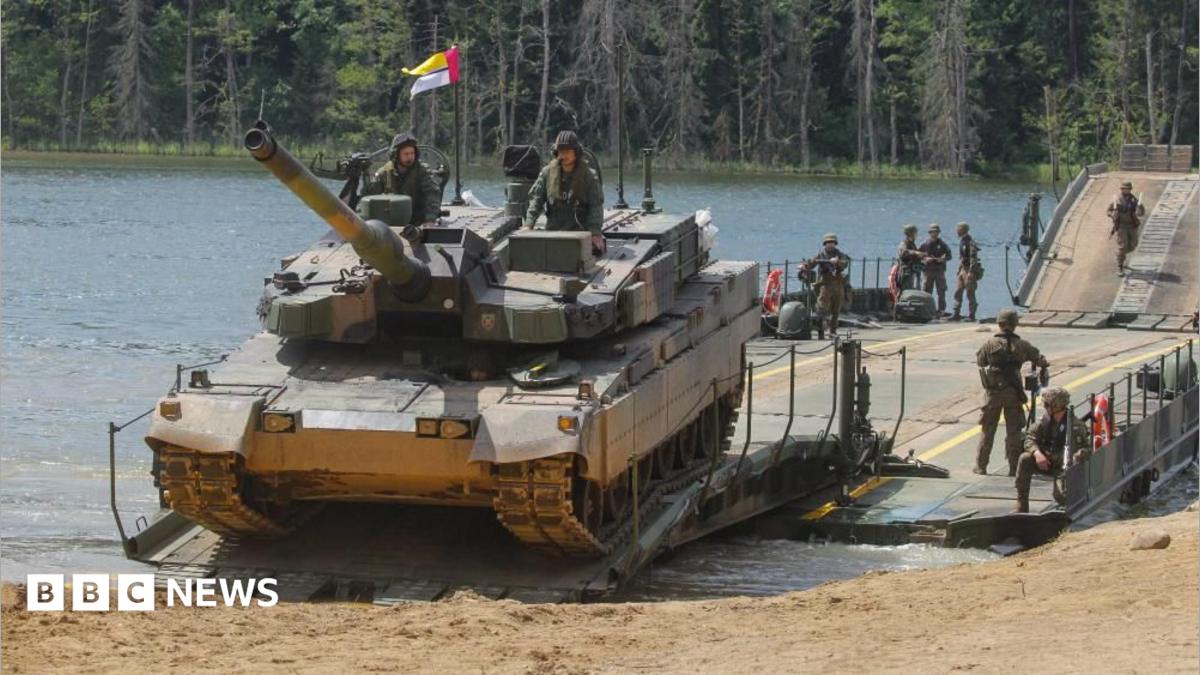
Polish Prime Minister Donald Tusk has officially stated that Poland is preparing for a range of potential scenarios as the nation confronts an increasingly volatile security environment on its eastern border. Amidst ongoing regional tensions and reports concerning Russian military posturing, the Polish government is intensifying its defensive preparations to address what officials describe as a critical period for European stability.
The Polish administration’s move follows a series of internal and international security assessments regarding the current geopolitical climate in Eastern Europe. Prime Minister Tusk emphasized that the coming months will require heightened vigilance and readiness from both the state apparatus and the public, as the government evaluates risks associated with the ongoing war in neighboring Ukraine and the broader posture of the Russian Federation. According to official statements from the Chancellery of the Prime Minister of Poland, the nation’s security strategy is being constantly updated to reflect real-time intelligence and defensive requirements.
Evaluating the Regional Security Threat
The current security architecture in Poland has been fundamentally reshaped by the full-scale invasion of Ukraine, which began in February 2022. As a member of both NATO and the European Union, Poland serves as a primary logistical hub for international aid entering Ukraine and maintains the longest land border with Belarus, a key Russian ally. Prime Minister Tusk has indicated that the government is actively monitoring potential escalations, which include hybrid warfare tactics, cyber threats, and conventional military posturing near the border regions.

The Polish government’s focus on these “various” scenarios is part of a broader commitment to national defense, which includes significant increases in military spending. In 2024, Poland allocated approximately 4.2% of its GDP toward defense, maintaining one of the highest levels of military expenditure within the NATO alliance, as reported by official NATO defense expenditure data. This investment is directed toward the modernization of the Polish Armed Forces, including the acquisition of advanced combat aircraft, tanks, and missile defense systems.
Government Response and Public Preparedness
In response to the identified threats, the Polish government has prioritized the resilience of critical infrastructure and the readiness of civil defense systems. Prime Minister Tusk’s administration has underscored that national security is not merely a military concern but a whole-of-society effort. This includes strengthening energy security, securing digital networks against state-sponsored cyberattacks, and improving communication channels between the government and the public.

While the government has not disclosed the specific details of the intelligence reports that prompted the recent warnings, the administration has consistently urged transparency in its public communications. The National Security Bureau (BBN) continues to coordinate with the Ministry of National Defense to ensure that all state agencies are prepared for swift mobilization if the security situation deteriorates. These efforts are designed to prevent the destabilization of the domestic environment while maintaining a credible deterrent against external aggression.
Strategic Context of the Current Stance
The warnings issued by Prime Minister Tusk align with broader concerns raised by military analysts and leaders across the Baltic and Nordic states. These nations frequently highlight the potential for Russian “gray zone” activities—actions that fall below the threshold of open warfare but are intended to sow discord and exploit vulnerabilities within democratic systems. According to analyses published by the Center for Strategic and International Studies (CSIS), the focus on the “coming months” reflects a tactical assessment of Russian military cycles and the necessity of maintaining high readiness during periods of geopolitical transition.

The Polish government emphasizes that its defensive preparations are purely precautionary and aimed at upholding the principle of collective defense. As a front-line state, Poland’s security posture is inextricably linked to the unity of the NATO alliance. The government continues to advocate for a robust and visible presence of allied forces on the eastern flank to ensure that any potential threats to Polish sovereignty are met with a coordinated and decisive international response.
Next Steps for National Security
The Polish government maintains a schedule of ongoing security briefings and inter-agency exercises to refine its operational readiness. Citizens are encouraged to follow official updates provided by the Government of Poland information portal for accurate information regarding national safety protocols and any changes in the security status. Further assessments from the National Security Bureau are expected in the coming weeks as part of the regular legislative cycle and periodic defense reviews.

The administration remains committed to providing updates as developments warrant. Readers are invited to monitor official channels for the most recent developments and are welcome to share their perspectives on these regional security developments in the comments section below.