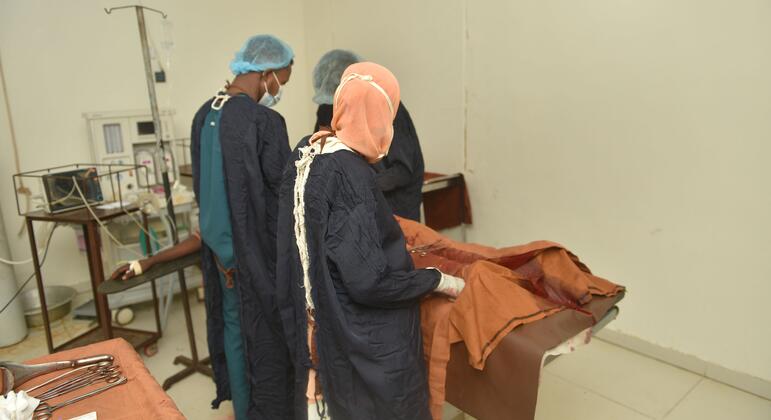
Civilians in the North Kordofan city of El Obeid are facing a surge in violence as paramilitary forces intensify a campaign of persistent drone strikes. According to United Nations High Commissioner for Human Rights Volker Türk, the escalation in this strategically significant urban hub reflects a broader, deteriorating security environment across Sudan that has left non-combatants increasingly vulnerable to aerial bombardment and ground-level skirmishes.
The conflict, which erupted in April 2023 between the Sudanese Armed Forces (SAF) and the Rapid Support Forces (RSF), has displaced millions and decimated critical infrastructure. El Obeid, serving as a vital crossroads for trade and humanitarian logistics in central Sudan, has become a primary theater for these operations. The UN reports that the frequency of these attacks has created a climate of constant instability for the city’s remaining residents, who face limited access to medical care and basic supplies as supply routes remain contested.
The Strategic Importance of El Obeid
El Obeid occupies a unique position in the ongoing civil war. As the capital of North Kordofan state, the city functions as a bridge between the capital, Khartoum, and the western region of Darfur. Control over the city provides a tactical advantage for the movement of troops and supplies. Military analysts note that the use of drones in this sector represents a shift toward more precise but destructive engagement tactics, which observers state frequently endanger densely populated residential zones.
The UN human rights office has repeatedly documented the impact of such military operations on the civilian population. In recent briefings, officials emphasized that the use of explosive weapons in populated areas often violates international humanitarian law, which mandates the protection of non-combatants. The Office of the United Nations High Commissioner for Human Rights (OHCHR) continues to call for an immediate cessation of hostilities and the protection of essential services, including hospitals and water stations, which have been caught in the crossfire.
Humanitarian Consequences of Escalating Drone Warfare
The humanitarian fallout from the fighting in El Obeid is severe. Local aid organizations and international observers report that the continuous nature of the drone strikes has forced thousands of families to flee their homes, seeking refuge in safer, though often overcrowded, rural areas. The disruption of the commercial supply chain has resulted in sharp spikes in the cost of food and fuel, deepening the economic crisis for those who remain.

According to the United Nations Office for the Coordination of Humanitarian Affairs (OCHA), Sudan is currently facing one of the world’s largest displacement crises. Humanitarian actors are struggling to maintain operations in North Kordofan due to security risks and bureaucratic hurdles imposed by the warring parties. The inability to secure reliable humanitarian corridors means that essential aid, including life-saving medicine and nutritional supplements, frequently fails to reach those in the most desperate need.
International Response and Diplomatic Efforts
International diplomatic efforts to secure a ceasefire remain stalled. While various regional and global bodies, including the African Union and the Intergovernmental Authority on Development (IGAD), have engaged in mediation, the belligerents have yet to reach a sustainable agreement. The UN’s focus remains on documenting potential war crimes and maintaining pressure on both the SAF and the RSF to adhere to their obligations under international law.
The Human Rights Watch and other monitoring groups have consistently urged the international community to impose stricter sanctions and arms embargoes to limit the proliferation of military technology, including drones, into the country. Despite these calls, the flow of weaponry continues to fuel the conflict, complicating efforts to bring the warring parties to the negotiating table.
What Happens Next
The situation in El Obeid remains highly volatile. The next significant checkpoint for international oversight is the upcoming session of the UN Human Rights Council, where the ongoing mission to investigate violations in Sudan is expected to present further findings. Humanitarian agencies are currently monitoring the situation for any signs of de-escalation that would allow for the delivery of emergency aid, though security remains the primary barrier to these operations.
For updates on the humanitarian situation in North Kordofan, residents and observers can monitor the latest situation reports published by the UN OCHA Sudan portal. These reports provide the most current data on displacement, food security, and access to essential services.
We welcome your thoughts on this unfolding situation. Please feel free to share this report and join the conversation in the comments section below.