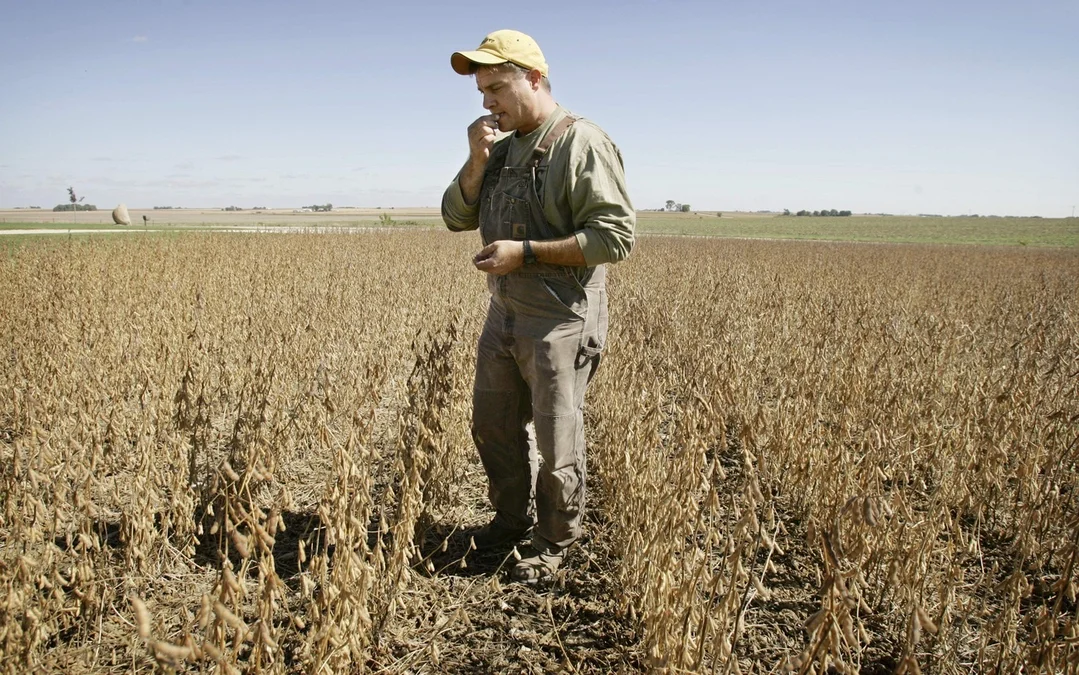
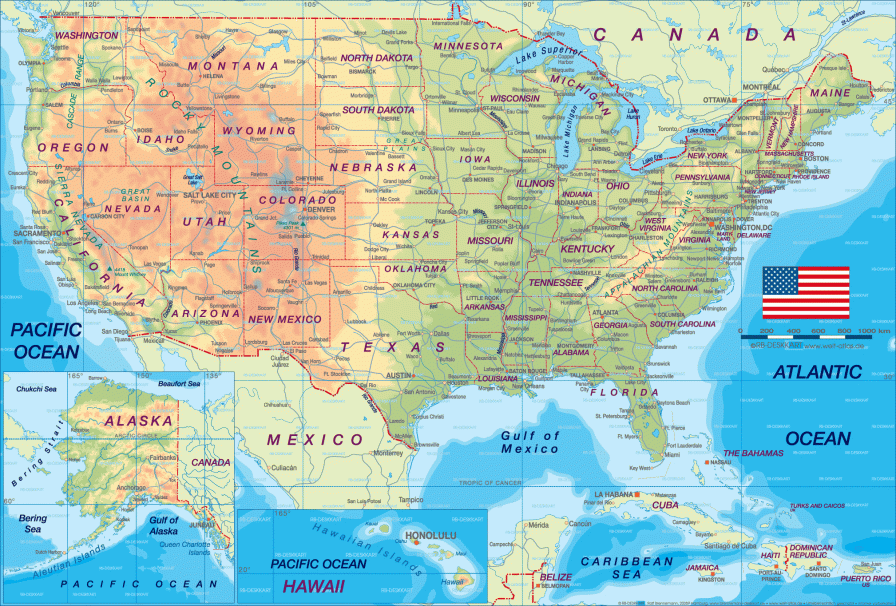
Studying in the American heartland remains a defining experience for international students seeking to understand the complexities of United States culture beyond the coastal urban centers. For many, the journey begins with an arrival in major aviation hubs like Chicago O’Hare, which serves as a primary gateway to the Midwest. According to data from the Institute of International Education (IIE), universities across the American interior continue to prioritize internationalization, offering students a distinct academic environment characterized by close-knit campus communities and a lower cost of living compared to coastal metropolitan areas.
The transition to life at a U.S. university involves navigating a complex ecosystem of visa regulations, academic expectations, and social integration. Students arriving from abroad often find that the Midwest, while geographically vast, provides a stable environment for long-term study. The U.S. Department of Homeland Security’s Study in the States portal remains the official resource for international students to verify current visa compliance requirements, including the necessary Form I-20 and SEVIS fee regulations.
Academic Opportunities in the American Heartland
The Midwest is home to some of the world’s most prestigious research institutions, often referred to as the “Big Ten” universities or part of the Association of American Universities (AAU). These institutions attract global talent by offering robust financial aid packages and specialized research facilities. According to the National Center for Education Statistics (NCES), enrollment trends show that international students are increasingly looking toward these regional powerhouses for degrees in STEM, agriculture, and public policy, fields where Midwestern schools maintain a competitive advantage.

Beyond the classroom, the “heartland” experience is defined by the integration of international perspectives into local life. Universities in states like Illinois, Indiana, and Wisconsin frequently host international student offices that facilitate cultural exchange programs. These initiatives are essential for students acclimating to the specific cultural nuances of the region, which often differ significantly from the fast-paced environment of cities like New York or Los Angeles.
Navigating the Administrative Landscape
For prospective students, the administrative path to an American degree is rigid and necessitates careful planning. The first step involves securing admission to an institution certified by the Student and Exchange Visitor Program (SEVP). Once admitted, students must apply for an F-1 or M-1 visa, a process that requires a personal interview at a U.S. embassy or consulate. The U.S. Department of State’s Bureau of Consular Affairs provides the mandatory guidelines for visa processing, emphasizing that documentation must be accurate and submitted well in advance of the academic term.

Financial planning is equally critical. International students must demonstrate sufficient funding to cover tuition and living expenses for the duration of their studies. Many students seek out assistantships or campus employment, which are strictly regulated under federal law. According to U.S. Citizenship and Immigration Services (USCIS), international students on an F-1 visa are generally limited to on-campus employment during their first year, after which they may apply for Curricular Practical Training (CPT) or Optional Practical Training (OPT) if they meet specific academic and legal criteria.
The Social Impact of Midwestern Study
The social experience of studying deep within the American heartland is often cited as a key factor in the overall satisfaction of international graduates. Unlike the anonymity found in larger coastal cities, Midwestern campus life encourages active participation in student organizations and community service. This level of engagement provides a more comprehensive view of American society, including its political, economic, and social diversity.
Research suggests that students who engage with local communities are better prepared for the professional workforce, as they develop cross-cultural communication skills that are highly valued by global employers. The NAFSA: Association of International Educators notes that these interactions play a vital role in fostering long-term diplomatic and professional ties between the United States and the students’ home countries.
What Happens Next for Prospective Students
For those planning to begin their studies in the upcoming academic cycle, the next checkpoint is the release of admission decisions and subsequent visa interview scheduling. Students are advised to monitor their university portals and the Consular Electronic Application Center for status updates on their applications. As federal policies regarding international students are subject to change, regular consultation with a university’s International Student Services office is recommended to ensure compliance with the latest U.S. Immigration and Customs Enforcement (ICE) guidance.
If you have questions about the application process or want to share your own experience studying in the U.S., feel free to join the conversation in the comments section below. We encourage you to share this report with others navigating the international education system.