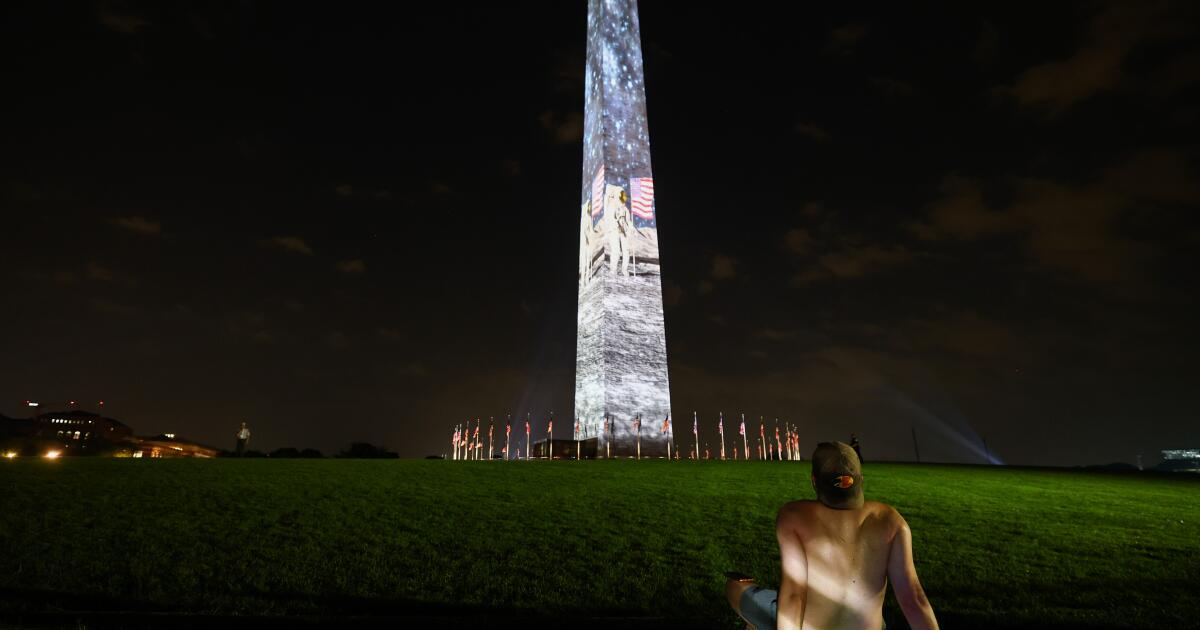
The planning for the United States’ 250th anniversary, known as Semiquincentennial, has sparked a national debate over the role of the executive branch in shaping historical commemoration. As preparations for the 2026 milestone move forward, critics and historians are raising concerns that the celebration is shifting from a civic-minded reflection on American democracy toward a platform centered on the current administration’s political agenda.
The U.S. Semiquincentennial Commission, established by the Semiquincentennial Commission Act of 2016, was originally designed as a bipartisan effort to engage the public in the history of the nation’s founding. However, recent shifts in leadership and organizational focus have led some observers to characterize the upcoming events as a move toward an “imperial presidency” style of commemoration, according to reports from The Atlantic. This tension highlights the ongoing friction between non-partisan historical curation and the influence of political figures on national identity.
The Evolution of the Semiquincentennial Commission
The commission’s mandate was to plan and coordinate the 250th anniversary of the signing of the Declaration of Independence. According to the official America250 website, the organization’s primary goal is to inspire a national conversation about the country’s past, present, and future. Yet, the path to 2026 has been marked by significant staff turnover and internal disagreements regarding the scope of the festivities.

Observers note that the transition from a broad-based educational initiative to a high-profile, presidentially led event has invited criticism. Historians cited by The New York Times suggest that when the executive branch dominates the narrative of such anniversaries, it risks alienating those who view the celebration as a moment for collective, rather than partisan, history. The debate centers on whether the government should act as a facilitator of public discourse or as the primary architect of a singular national narrative.
Historical Context of Presidential Anniversaries
Previous national anniversaries, such as the Bicentennial in 1976, relied heavily on decentralized, state-led initiatives. During the Ford administration, the focus remained on local commemorations and community-led historical projects, which shielded the event from being viewed as an extension of the White House’s political brand.
In contrast, the current trajectory for 2026 appears more centralized. The National Park Service, which manages several historical sites associated with the American Revolution, is coordinating with the Commission to manage visitor expectations and site security for the upcoming anniversary. The increased involvement of the executive office in the planning of these events has led to concerns that the 250th anniversary could be leveraged to promote specific political platforms rather than universal themes of liberty and governance.
What Happens Next in the Planning Process
The next major milestone for the Semiquincentennial Commission involves the finalization of the nationwide calendar of events. According to Government Accountability Office (GAO) reports, the commission is required to provide regular updates to Congress regarding its budget, fundraising, and programmatic goals. As of the latest fiscal review, the commission continues to operate under the oversight of the federal government to ensure compliance with its original 2016 legislative mandate.
For the public, the upcoming months will likely see an uptick in official announcements regarding landmark events in Philadelphia, Boston, and Washington, D.C. Whether these events will maintain a neutral, historical tone or adopt the character of a presidential campaign-style rally remains a subject of ongoing scrutiny by both the press and historical advocacy groups. Citizens seeking to participate in the planning or to provide feedback can monitor the official America250 portal for upcoming public hearing notices and advisory board meetings.
As the nation approaches July 4, 2026, the discussion regarding the ownership of history will likely intensify. The challenge for the commission, as identified by observers, is to balance the desire for a grand, celebratory spectacle with the necessity of acknowledging the complexities of the American experience.
What are your thoughts on how the 250th anniversary should be commemorated? Share your perspective in the comments below.