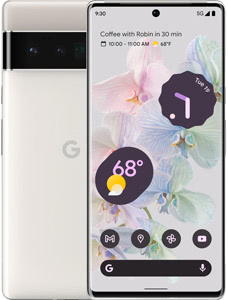
The choice between the Google Pixel 6 Pro and the Apple iPhone 14 Plus represents a divergence in mobile philosophy, pitting Google’s computational photography and AI-driven software against Apple’s ecosystem integration and hardware efficiency. While the Pixel 6 Pro offers a high-refresh-rate display and advanced imaging capabilities, the iPhone 14 Plus prioritizes battery longevity and a larger, simplified interface for users invested in the iOS environment. Both devices currently occupy a space in the secondary market for those seeking premium features without the latest flagship price tags.
According to official specifications from Google, the Pixel 6 Pro features a 6.7-inch LTPO OLED display with a variable refresh rate of up to 120Hz. The device is built with Gorilla Glass Victus on the front and back, providing a level of durability consistent with 2021 flagship standards. Apple’s iPhone 14 Plus, released in 2022, utilizes a 6.7-inch Super Retina XDR OLED display, though it maintains a standard 60Hz refresh rate. These hardware differences define the user experience: one favors fluid scrolling and high-density visuals, while the other emphasizes color accuracy and power efficiency.
Hardware Architecture and Display Performance
The display technology in the Pixel 6 Pro is centered on its 512 pixels per inch (ppi) density, which provides a sharper visual output compared to the iPhone 14 Plus. The Google device uses a curved LTPO panel, allowing the screen to scale its refresh rate down to 10Hz to save power, or up to 120Hz for smoother interactions. This implementation is designed to meet the demands of power users who prioritize screen responsiveness for gaming and media consumption.

In contrast, the iPhone 14 Plus relies on a flat OLED panel. While it lacks the 120Hz “ProMotion” technology found in higher-tier iPhone models, Apple compensates with deep integration between the hardware and the A15 Bionic chip. The result is a highly stable, albeit slower, visual experience that contributes to the device’s reputation for exceptional battery life. The iPhone 14 Plus also utilizes Ceramic Shield, which Apple claims is tougher than any smartphone glass, distinguishing its durability profile from the Gorilla Glass Victus utilized by Google.
Camera Systems and Computational Photography
The primary point of differentiation for the Pixel 6 Pro remains its camera array. Google equipped the device with a 50MP main sensor, a 48MP telephoto lens with 4x optical zoom, and a 12MP ultrawide lens. These sensors are supported by the Google Tensor processor, which handles image processing tasks such as “Magic Eraser” and advanced HDR+ processing. For users focused on photography, the Pixel 6 Pro offers granular control and software-backed features that remain competitive even years after its release.

The iPhone 14 Plus features a dual-camera system consisting of a 12MP main sensor and a 12MP ultrawide lens. While the megapixel count is lower, Apple’s implementation of the Photonic Engine improves low-light performance across all lenses. The focus here is on reliability and video quality; the iPhone 14 Plus is widely recognized for its “Action Mode,” which provides gimbal-like stabilization for handheld video recording. This contrasts with the Pixel 6 Pro’s strength in still-image computational photography.
Software Ecosystem and Longevity
Software support timelines are a critical factor for long-term ownership. Google committed to providing three years of OS updates and five years of security updates for the Pixel 6 Pro, which launched with Android 12. Users can track the status of these updates through the official Google Pixel update schedule. This allows users to access the latest Android features and security patches directly from the manufacturer.
The iPhone 14 Plus benefits from Apple’s long-standing track record of software longevity. Typically, Apple devices receive major iOS updates for five to seven years post-release. For a user, this means the iPhone 14 Plus is likely to remain compatible with the latest applications and security protocols for a longer duration than the Pixel 6 Pro. The choice between the two often comes down to personal preference: the open, customizable nature of Android versus the streamlined, locked-down environment of iOS.
Comparison Summary
| Feature | Google Pixel 6 Pro | Apple iPhone 14 Plus |
|---|---|---|
| Display Size | 6.7 inches | 6.7 inches |
| Refresh Rate | 120Hz (LTPO) | 60Hz |
| Processor | Google Tensor | A15 Bionic |
| Primary Camera | 50MP | 12MP |
| Durability | Gorilla Glass Victus | Ceramic Shield |
As of late 2024, both manufacturers continue to support these devices with monthly security patches and occasional feature drops. Prospective buyers should consult the official Apple storefront or the Google Store for current trade-in programs and certified refurbished availability, which often represent the most cost-effective way to acquire these models. Readers are encouraged to share their experiences with these devices in the comments section below.
