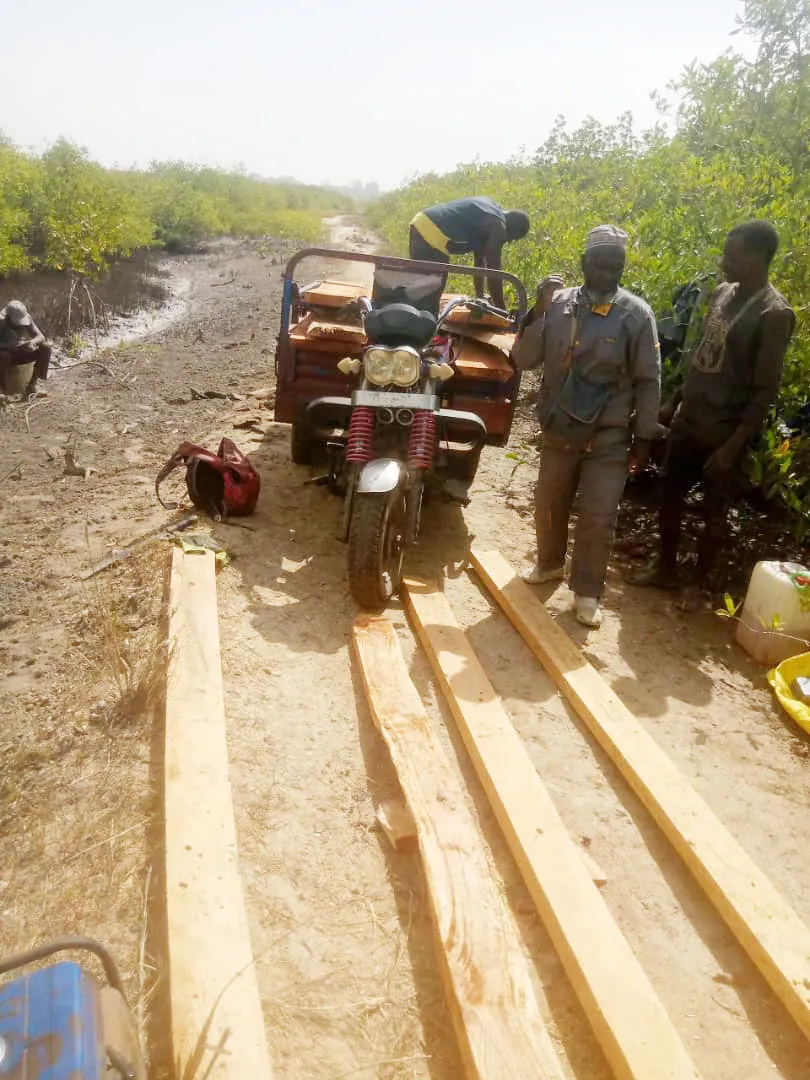
The village of Djirack, located in the Oussouye department of Senegal’s Casamance region, has officially initiated a new phase of community-led development following a period of regional instability. Local authorities and community leaders have identified the restoration of lasting peace as the primary catalyst for the current infrastructure and economic projects now underway in the area.
For years, the Casamance region faced significant socioeconomic challenges tied to a long-standing separatist insurgency. The transition toward stability has allowed villages like Djirack to shift focus from security concerns to sustainable development, according to local administrative reports from the Ziguinchor region. The current efforts aim to revitalize agricultural production and improve essential public services for residents who have historically dealt with the impacts of displacement and economic isolation.
Infrastructure and Economic Revitalization
The development strategy in Djirack prioritizes the rehabilitation of local infrastructure and the promotion of agricultural self-sufficiency. By leveraging the improved security environment, the village has begun implementing projects designed to connect local farmers to broader markets in the Oussouye department. According to the Government of Senegal, regional development policies in Casamance are currently focused on decentralization, aiming to provide local councils with the resources necessary to manage school construction, health post renovations, and road maintenance.
Agricultural experts note that the return of peace is critical for the Casamance region, which is often referred to as the “breadbasket of Senegal” due to its fertile soil and favorable climate. The ability for farmers to access remote fields without security risks has led to an uptick in the cultivation of rice, cashews, and tropical fruits, which serve as the backbone of the local economy. These efforts are supported by national programs aimed at reducing rural poverty, as outlined in the National Agency for Civil Aviation and Meteorology (ANACIM) reports on agricultural planning and climate resilience for the southern zones.
The Role of Community Engagement
Local governance in Oussouye has emphasized the importance of social cohesion in maintaining the current peace. Village elders and youth leaders in Djirack have been instrumental in mediation efforts, ensuring that reconciliation remains a central pillar of the development process. The United Nations Development Programme (UNDP) has historically supported similar community-led peacebuilding initiatives in the region, noting that grassroots participation is the most effective way to ensure that development projects are sustainable and meet the specific needs of the population.
The shift from conflict to cooperation has allowed for the resumption of traditional cultural and economic activities that were previously suspended. Community leaders report that the restoration of trust between the state and the local population has been a significant factor in the success of recent administrative registration drives, which allow residents to access formal state services and social benefits.
Addressing Long-Term Challenges
Despite the progress in Djirack, the region faces ongoing challenges related to the legacy of the conflict, including the presence of landmines and the need for the reintegration of former combatants. The United Nations Mine Action Service (UNMAS) continues to work with local authorities to clear affected areas, a process that is essential for the full utilization of agricultural land. The safety of residents remains a priority for the Senegalese Armed Forces, who maintain a presence in the area to monitor the ceasefire and support stabilization efforts.
The focus for the upcoming fiscal cycle will be on consolidating these gains through investment in vocational training for youth. By providing skills in modern agricultural techniques and sustainable resource management, local authorities hope to stem the tide of youth migration toward larger urban centers like Ziguinchor or Dakar. The success of these initiatives will depend on the continued cooperation between the central government and the local departmental councils of Oussouye.
Future Outlook for the Region
The next major checkpoint for the region involves the implementation of the state’s regional development plan, which includes scheduled audits of public works projects and the distribution of agricultural subsidies for the next harvest season. These milestones are expected to provide a clearer picture of the economic recovery trajectory for the Casamance region.

Observers of regional politics suggest that the stability seen in villages like Djirack could serve as a template for other municipalities in the southern provinces. Continued monitoring by local civil society organizations will be essential in ensuring that the progress toward peace translates into long-term prosperity for all residents. Readers interested in following updates on these development projects can monitor the official bulletins released by the General Secretariat of the Government of Senegal.
If you have questions or insights regarding the ongoing development in the Oussouye department, feel free to share your thoughts in the comments section below. Your engagement helps foster a better understanding of the evolving situation in West Africa.