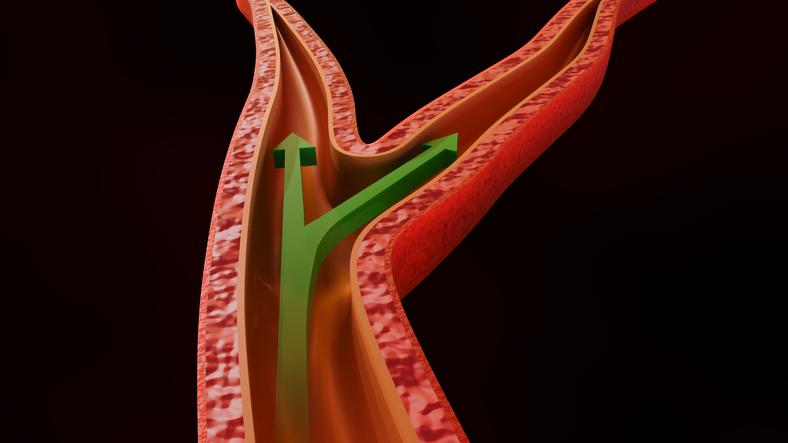
The U.S. Food and Drug Administration (FDA) has granted breakthrough device designation to Aurenar’s V-Link, a non-invasive nerve stimulation system designed to reduce complications following brain hemorrhages. Clinical data indicates the device may decrease the incidence of cerebral vasospasm—a dangerous narrowing of brain arteries—by more than 40% in patients recovering from subarachnoid hemorrhage. This regulatory milestone provides a pathway for expedited development and review of the technology, which aims to address a primary cause of disability and mortality in patients who suffer from ruptured brain aneurysms.
Understanding Cerebral Vasospasm Risk
Cerebral vasospasm remains one of the most critical challenges in neurocritical care. Following a subarachnoid hemorrhage, which is often caused by a ruptured aneurysm, blood accumulates in the space surrounding the brain. This blood can trigger a delayed, sustained contraction of the cerebral arteries. According to research published by the National Library of Medicine, this process restricts blood flow to brain tissue, frequently leading to secondary strokes or permanent neurological deficits. Current standard-of-care treatments often involve aggressive fluid management, blood pressure elevation, and, in some cases, invasive endovascular procedures to open the constricted vessels.
The V-Link device operates on the principle of non-invasive nerve stimulation. By targeting specific nerve pathways—typically those accessible through the ear—the device aims to modulate the autonomic nervous system’s response to the initial brain injury. The goal is to prevent the biochemical cascade that leads to arterial constriction before it manifests as a clinical emergency. By intervening early in the post-hemorrhage window, physicians hope to improve long-term functional outcomes for patients who might otherwise face prolonged hospitalizations in intensive care units.
The Impact of FDA Breakthrough Designation
The FDA’s breakthrough device designation is specifically intended to accelerate the availability of medical technologies that provide more effective treatment for life-threatening or irreversibly debilitating conditions. Under the FDA’s Breakthrough Devices Program, developers receive prioritized interaction with agency staff and senior management. This collaborative environment allows for a more efficient clinical trial design and rapid feedback on data collection strategies, which is essential for bringing novel neuro-technologies to market safely.
For a device to qualify, it must demonstrate significant potential to offer a more effective treatment compared to existing options. In the case of V-Link, the reported reduction in vasospasm events by over 40% represents a substantial shift in potential clinical management. While the device is currently in the investigational stage, the designation signals that federal regulators view the technology as a meaningful candidate for addressing an unmet medical need in neurovascular care.
Clinical Considerations and Next Steps
Patients who suffer from hemorrhagic strokes often require multidisciplinary care involving neurosurgeons, neurologists, and critical care specialists. The integration of a non-invasive device like V-Link into existing hospital workflows would likely require minimal disruption, as it does not necessitate surgical implantation or complex vascular access. However, the path to widespread clinical adoption depends on the results of larger, multi-center trials that confirm the safety and efficacy profiles observed in early-stage studies.
The neurovascular field has seen significant interest in neuromodulation as a therapeutic tool for conditions that were previously managed primarily through pharmacological or mechanical means. As the medical community awaits further data from Aurenar’s ongoing development program, the focus remains on standardizing protocols for post-hemorrhage monitoring. Future updates regarding the V-Link’s progress will be available through the FDA’s official database of device approvals and designations, as the company moves toward the next phase of clinical validation.
The medical community continues to monitor the development of non-invasive neuromodulation as a potential standard for stroke recovery. Further announcements regarding trial timelines or institutional partnerships are expected as the company progresses through the FDA’s review process. Readers interested in the latest updates on neuro-innovation and public health policy are encouraged to share this report or join the discussion in the comments section below.