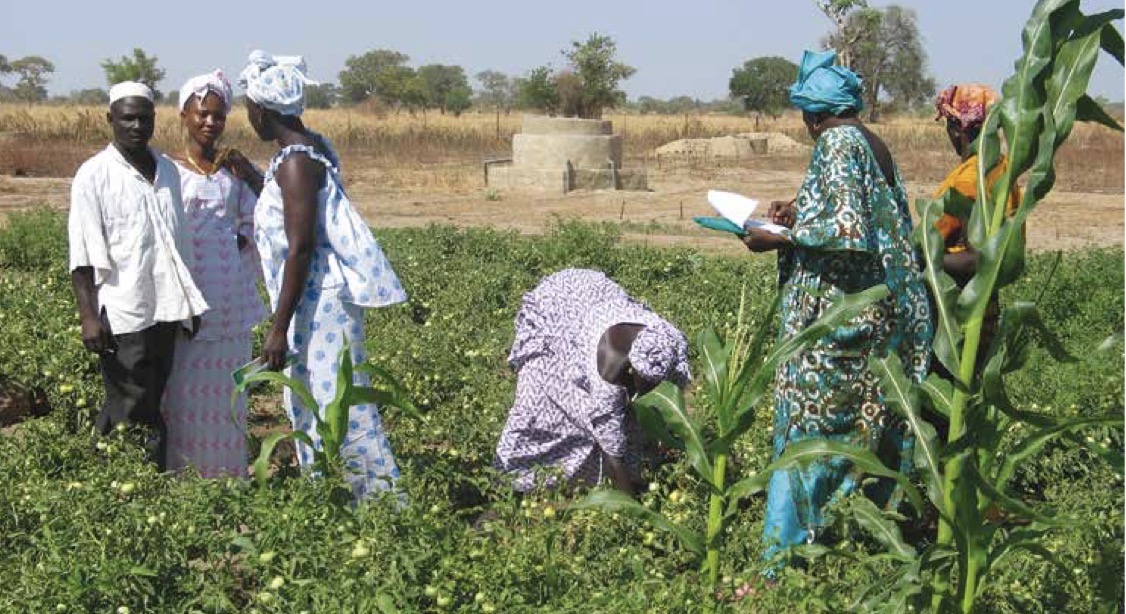
The Senegalese government has officially launched the Programme d’Accélération de la Souveraineté Alimentaire (PASS), a strategic initiative backed by a 150 milliards de FCFA budget designed to bolster national agricultural output and reduce reliance on food imports. The program aims to modernize local production chains, specifically targeting key commodities such as cotton, groundnuts, and cereals to ensure long-term food security across the nation.
According to official state communications, the PASS program represents a structural shift in Senegal’s agricultural policy, focusing on providing farmers with improved access to inputs, modern equipment, and logistical support. The initiative is part of a broader effort to meet the growing domestic demand for food while simultaneously expanding the country’s export potential in the regional market. Details regarding the implementation of the funding and the specific distribution mechanisms are expected to be managed by the Ministry of Agriculture in coordination with local regional authorities.
Strategic Targets for Agricultural Output
A primary pillar of the government’s current agricultural strategy is the revitalization of the cotton sector. Recent reports indicate that authorities are targeting a 40 % increase in cotton production for the 2026/2027 season. This growth is viewed as essential for strengthening the textile industry and providing stable income for thousands of smallholder farmers who rely on cash crops. The sector is currently undergoing a comprehensive reorganization to improve efficiency, as noted in assessments regarding the structural transformation of the industry.
In addition to cotton, the government is prioritizing the distribution of essential agricultural inputs, particularly seeds. In regions such as Kédougou, local reports confirm that over 96% of the planned groundnut seed distribution has already been completed, ensuring that farmers are prepared for the upcoming planting cycles. This logistical progress is considered a critical benchmark for the success of the broader national campaign, as timely access to quality seeds directly influences the final yield and overall economic viability for rural households.
The Role of Supervision and Regional Coordination
The successful execution of the PASS program depends heavily on the supervision of agricultural campaigns at the departmental and regional levels. Government officials, including ministerial representatives, have been conducting field visits to meet with producers and monitor the delivery of equipment and fertilizers. These missions serve to identify operational bottlenecks and ensure that resources reach the intended beneficiaries without significant delays.
For example, recent oversight activities in areas like Bougouni have highlighted the importance of direct engagement between state planners and agricultural workers. By maintaining contact with the producers on the ground, the Ministry of Agriculture aims to adjust its support mechanisms in real-time, responding to localized climate challenges and soil conditions. This hands-on approach is designed to mitigate the risks associated with traditional farming methods and encourage the adoption of more resilient, high-yield agricultural practices.
Economic Impact and Sustainability
The 150 milliards de FCFA investment is intended to serve as a catalyst for deeper systemic change in the Senegalese economy. By focusing on food sovereignty, the government intends to insulate the domestic market from external price shocks and supply chain disruptions. The emphasis on local production is not only a matter of food security but also a strategic economic decision aimed at balancing the national trade deficit.

As the project moves into its next phase, stakeholders are focusing on the following areas:
- Input Delivery: Streamlining the supply chain for fertilizers and certified seeds.
- Infrastructure: Expanding storage and processing facilities to reduce post-harvest losses.
- Technical Support: Providing training for farmers on modern water management and mechanized farming techniques.
While the program is in its early stages, the government has signaled that further updates regarding resource allocation and specific regional milestones will be provided in the coming months. Interested parties and citizens are encouraged to monitor official government portals and the Ministry of Agriculture’s public notices for the latest developments regarding the implementation of the PASS program.