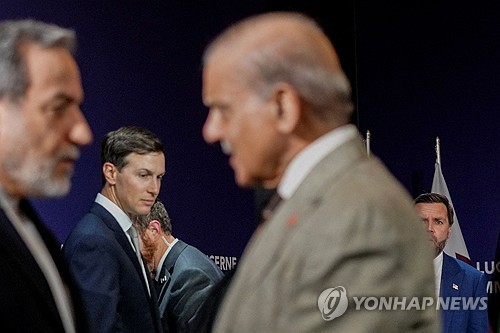
Diplomatic efforts to address ongoing tensions between the United States and Iran are expected to resume on the 11th in Pakistan, with discussions likely to encompass the status of Tehran’s nuclear program. These talks, facilitated by Pakistani mediation, represent a renewed attempt to manage long-standing friction between the two nations.
The dialogue follows a period of heightened volatility in the Persian Gulf, where Iran has taken steps to assert control over maritime corridors. Iranian officials have maintained a firm stance regarding their sovereign authority in these waters, frequently rejecting what they describe as foreign interference in a vital global shipping artery.
Maritime Security and Regional Friction
The context for the upcoming negotiations is shaped by recent maneuvers in the Strait of Hormuz, a critical chokepoint for global oil supplies. Iranian authorities have recently signaled an intent to increase security measures within the strait, with reports indicating the deployment of specialized naval units to monitor non-approved transit routes. Mohammad Bagher Ghalibaf, identified as an Iranian negotiator, has explicitly stated that Tehran will not permit U.S. intervention in the management of the strait.

These maritime tensions are not isolated. They occur against a backdrop of broader geopolitical disagreement between Washington and Tehran, particularly concerning efforts to curb Iran’s nuclear enrichment activities.
The Role of Mediation
Pakistan’s involvement as a mediator is viewed by regional observers as an attempt to de-escalate potential conflict. While the specific agenda for the meeting on the 11th remains subject to diplomatic confidentiality, the inclusion of nuclear discussions suggests a broader scope than simple maritime de-confliction.
The reliance on intermediaries highlights the structural challenges in these negotiations. Any engagement with Iran is conducted with the objective of ensuring regional security and preventing nuclear proliferation, though direct, high-level meetings remain rare.
What Happens Next
As the international community monitors these developments, the primary indicator of progress will be whether the discussions lead to any concrete reduction in maritime posturing or a return to more transparent nuclear monitoring. Official updates on the outcome of the talks are expected to be issued by the respective foreign ministries following the conclusion of the sessions in Pakistan.
The situation remains fluid. Stakeholders are encouraged to follow official statements for verified accounts of the proceedings. We invite our readers to share their perspectives on these developments in the comments section below as further information becomes available.