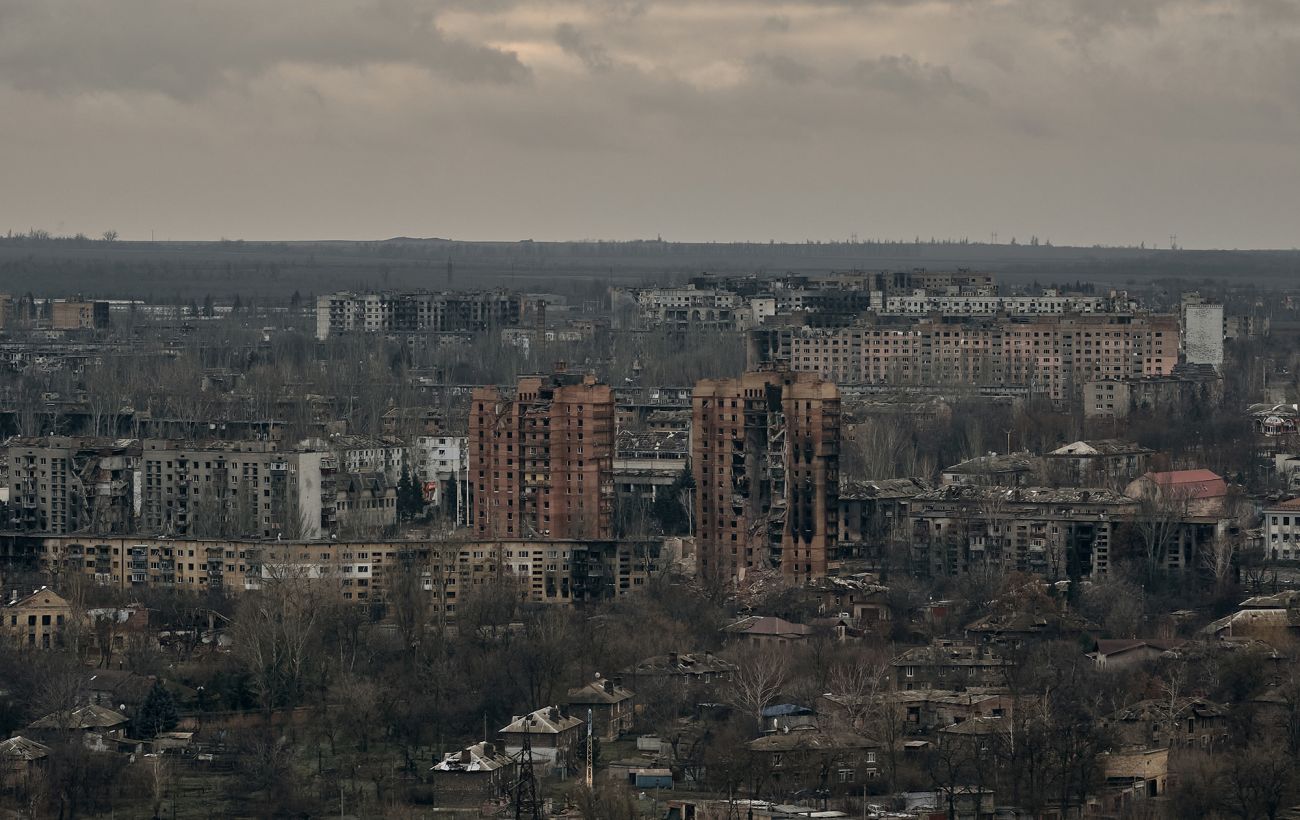
Russian officials have proposed a temporary ceasefire in the city of Kostyantynivka to facilitate the exchange of remains of fallen Ukrainian military personnel, according to reports emerging from Russian state media and regional outlets. The proposal, which surfaced on July 6, follows conflicting claims regarding the status of the city, which remains a focal point of ongoing hostilities in the Donetsk region.
The announcement of the ceasefire offer was attributed to the Russian Ministry of Defense. However, there has been no independent confirmation of the proposal from Ukrainian government officials or the General Staff of the Armed Forces of Ukraine. The situation in Kostyantynivka remains fluid, as both sides continue to report intense artillery exchanges and defensive maneuvers across the front line.
Context of the Proposed Ceasefire
The Russian military statement regarding the ceasefire proposal arrived amidst claims that Russian forces had achieved tactical gains in the vicinity of Kostyantynivka. These claims have been consistently challenged by Ukrainian military spokespeople, who maintain that the city remains under the control of the Ukrainian Armed Forces and that defensive positions are being reinforced to withstand ongoing Russian pressure.

The offer specifically cites a window for the transfer of bodies, a process that historically requires complex coordination through humanitarian channels, often involving international intermediaries such as the International Committee of the Red Cross (ICRC). To date, the ICRC has not issued a public statement confirming its involvement in any such specific arrangement for the Kostyantynivka sector. The lack of verified, third-party mediation in this instance highlights the difficulty of establishing localized humanitarian corridors in active combat zones.
Military Discrepancies and Strategic Significance
The strategic importance of Kostyantynivka lies in its role as a logistical hub for Ukrainian operations in the eastern theater. Frequent Russian shelling of the city has been documented by local authorities, who frequently report civilian casualties and damage to critical infrastructure. The Russian proposal for a temporary cessation of fire has been framed by Ukrainian officials as a potential tactical maneuver rather than a genuine humanitarian overture.

In recent months, the dynamics of the conflict in the Donetsk region have been characterized by localized, high-intensity battles. According to updates from the Institute for the Study of War (ISW), which tracks frontline developments using geolocation data, Russian forces have attempted to advance toward major hubs in the region, often accompanied by significant artillery support. The Russian Ministry of Defense’s claims regarding the capture of specific settlements are frequently contested by the Ukrainian military, which emphasizes the defensive nature of its current operations.
Current Status of Humanitarian Efforts
The exchange of fallen soldiers remains a highly sensitive aspect of the conflict, governed by the norms of international humanitarian law, including the Geneva Conventions. These treaties mandate that parties to a conflict take all possible measures to search for, collect, and evacuate the dead. While such exchanges have occurred throughout the conflict, they typically require high-level coordination that is rarely conducted through public media declarations alone.
Ukrainian authorities have consistently stated that any movement toward a ceasefire or humanitarian corridor must be negotiated through established, secure channels to ensure the safety of all personnel involved. As of this report, the Ukrainian government has not acknowledged receipt of a formal proposal from Moscow regarding the July 6 date, nor have they indicated that any such agreement is currently in effect.
What Happens Next
The immediate operational reality in Kostyantynivka remains unchanged, with reports of continued artillery fire and defensive engagements. Observers are monitoring official statements from the Ukrainian Ministry of Reintegration of Temporarily Occupied Territories, which typically oversees the coordination of the return of fallen service members.

For verified updates on the situation in the Donetsk region and official communications regarding humanitarian efforts, citizens and international observers are directed to the official channels of the General Staff of the Armed Forces of Ukraine and the Office of the President of Ukraine. Further developments regarding this proposal will be contingent upon direct, private communication between the involved military commands. We will continue to update this page as verified information becomes available from official government sources.
Have you found this report useful? Please share your thoughts or sign up for our newsletter to receive the latest updates on the situation in Ukraine directly to your inbox.