A wildfire in Trévillach, located in the Pyrénées-orientales department of southern France, has burned through hectares of land, according to the local prefecture. Emergency services have deployed 700 firefighters to combat the blaze, which officials described as “very virulent,” while approximately 10,000 residents across 20 communes were ordered to evacuate their homes.
The scale of the Trévillach fire is part of a wider regional crisis, as multiple wildfires are currently active across the Gard, Drôme, Aude, and Ariège departments. Local authorities report that adverse meteorological conditions are complicating containment efforts, creating a high-risk environment for both residents and first responders.
Why are the Trévillach wildfires spreading so rapidly?
The speed of the fire’s progression is attributed to a combination of extreme heat, low humidity, and strong winds typical of the Mediterranean climate during peak summer months. According to reports from the French Ministry of the Interior, these conditions create a “tinderbox” effect, where dry vegetation allows flames to jump firebreaks and move quickly across the rugged terrain of the Pyrénées-orientales.
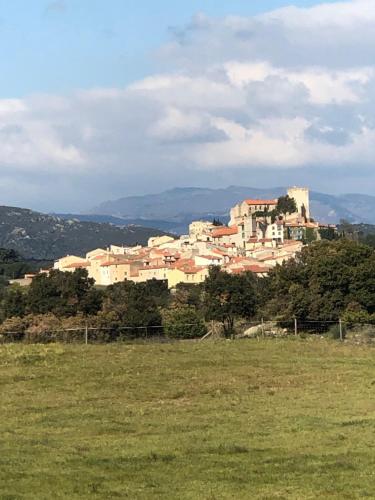
The prefecture’s description of the fire as “very virulent” indicates a high rate of spread and intensity that often exceeds the capabilities of ground-based crews alone. This necessitates the use of aerial assets, including Canadair water-bombers, to slow the advance of the fire front before ground teams can establish containment lines.
Who is affected by the evacuations in Pyrénées-orientales?
The evacuation orders have impacted roughly 10,000 people residing in about 20 different communes. These measures are taken as a precautionary step to prevent casualties, as the fire’s unpredictable behavior can cut off primary evacuation routes in short order. Residents have been instructed to follow official directives from the prefecture and local gendarmerie.

The impact extends beyond immediate residential loss. The region’s agricultural sector, particularly vineyards and orchards, faces significant economic risk. In previous fire seasons in the Occitanie region, similar blazes have resulted in the loss of centuries-old olive groves and critical livestock infrastructure, which complicates the long-term economic recovery for local farmers.
How are emergency services managing the multi-departmental crisis?
The mobilization of 700 firefighters in Trévillach is part of a broader strategic deployment across southern France. Because fires are simultaneously affecting the Gard, Drôme, Aude, and Ariège departments, the Sapeurs-Pompiers (French Fire and Rescue Service) must coordinate resources across departmental borders, often utilizing national reinforcements when local capacities are exceeded.
The coordination effort involves the Préfecture des Pyrénées-Orientales, which manages the operational command center. This center synchronizes the movement of ground crews with aerial support and monitors weather shifts that could trigger “fire storms” or sudden changes in wind direction, which often lead to “spot fires” miles ahead of the main blaze.
What happens next for the affected regions?
The immediate priority for authorities remains the protection of lives and the stabilization of the fire perimeter. Once the blaze is declared “under control,” the focus will shift to damage assessment and the safe return of the 10,000 evacuated citizens.

Long-term recovery will likely involve environmental assessments to determine the extent of soil degradation and biodiversity loss. Local governments will also need to review forest management policies and the efficacy of the current “fire-wise” zoning to mitigate future risks in these high-volatility zones.
Official updates regarding evacuation lifts and fire containment percentages will be issued by the prefecture as the situation evolves. Residents are encouraged to monitor the official social media channels of the Pyrénées-orientales prefecture for real-time alerts.
Share this report to keep others informed, and leave your comments below regarding the impact of climate-driven wildfires in Southern Europe.