Severe weather and record-breaking heat disrupted the 250th anniversary of the United States’ independence, leading to widespread event cancellations and at least 20 suspected deaths across the country. According to NBC News, extreme temperatures coincided with heavy storms that forced organizers in major cities, including New York and Philadelphia, to alter or scrap traditional Fourth of July festivities.
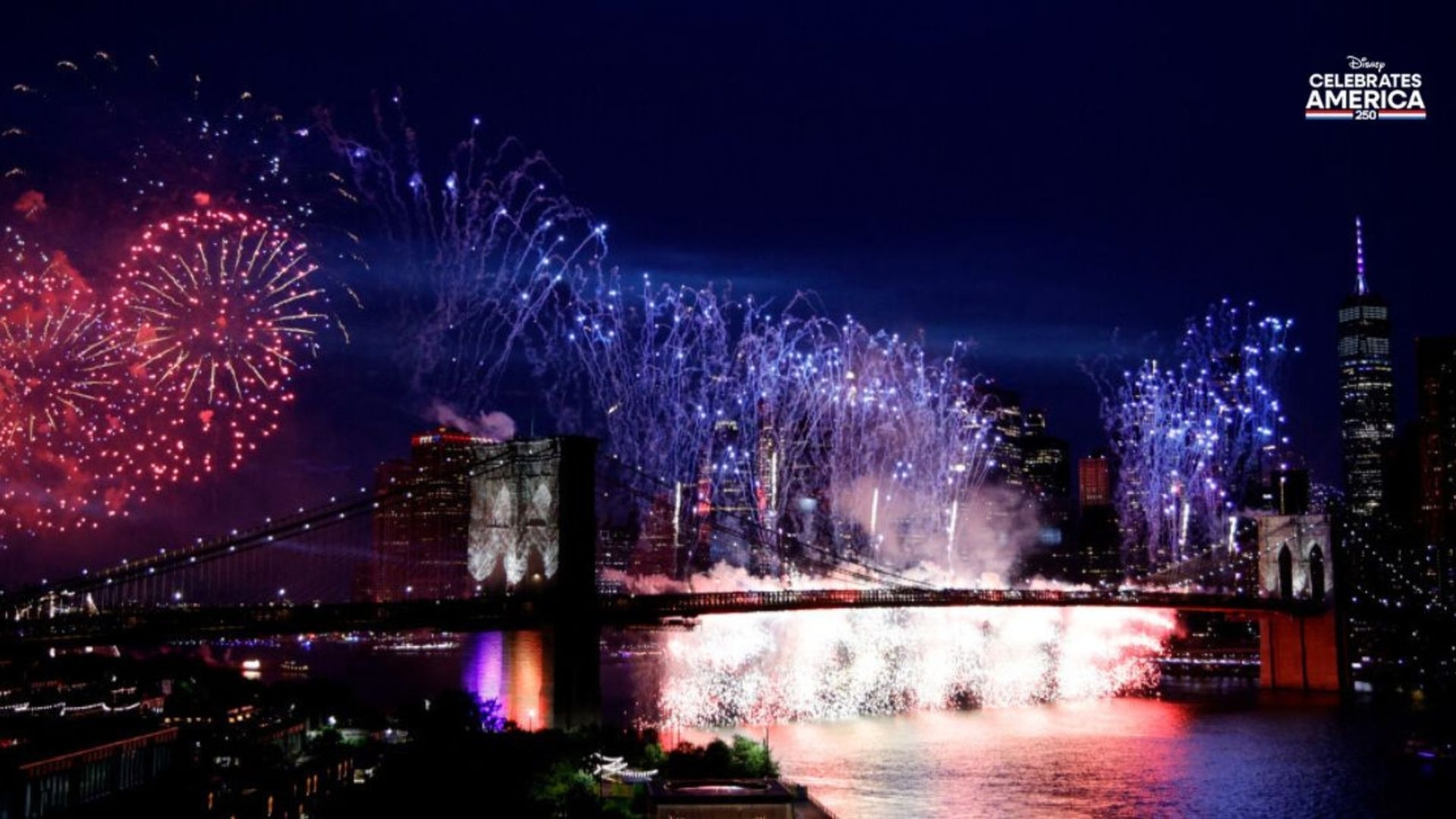
The semiquincentennial celebrations, marking 250 years since the signing of the Declaration of Independence, faced a combination of atmospheric challenges. While New York City continued many of its “America 250” events, ABC7 New York reported that severe weather dampened the mood for thousands of attendees. In the Philadelphia area, FOX 29 reported a comprehensive list of canceled events as storm systems moved through the region.
Public safety officials and meteorologists warned of the dangers associated with the heatwave. NBC News reported that the suspected death toll from heat-related illnesses exceeded 20 people, highlighting the lethal nature of the temperature spikes during the holiday period. Despite these conditions, AP News documented that many citizens continued to mark the milestone anniversary, capturing images of celebrations persisting through the rain and heat.
How did severe weather impact the America 250 celebrations?
The impact of the weather was most visible in the cancellation of outdoor gatherings and the modification of public parades. In Philadelphia, FOX 29 detailed a series of event cancellations that affected local community celebrations and planned public gatherings. The storms created hazardous conditions that made the assembly of large crowds unsafe.

In New York City, the scale of the anniversary meant that celebrations were spread across multiple boroughs. ABC7 New York noted that while the city pushed forward with its America 250 programming, the severe weather put a significant damper on the festivities. The contrast between the planned grandeur of the 250th birthday and the reality of the storms created a fragmented experience for tourists and residents alike.
The AP News reported that the resilience of the public was evident in photos showing crowds braving the elements. However, the agency’s coverage emphasized that the weather was a persistent obstacle throughout the day, affecting the timing and execution of fireworks displays and public readings of the Declaration of Independence.
What were the health consequences of the record heat?
The most critical consequence of the holiday weather was the human toll associated with record heat. NBC News reported that more than 20 deaths are suspected to be linked to the extreme temperatures. Heat-related fatalities often occur when the body cannot cool itself sufficiently, a risk amplified by the high humidity accompanying the storms.

Health officials typically advise the public to seek shade and hydrate during such spikes, but the nature of Fourth of July celebrations—which often involve long periods of standing in the sun—increased vulnerability. The correlation between the anniversary festivities and the heatwave created a public health challenge that overshadowed the celebratory nature of the day.
The severity of the heat was not isolated to one region but was part of a broader pattern of volatile weather across the United States. This volatility meant that while some areas dealt with lethal heat, others were facing torrential rains and lightning, complicating the national coordination of the semiquincentennial events.
Why does the 250th anniversary matter for the U.S.?
The 250th anniversary, or semiquincentennial, is a milestone that occurs only once in the history of the United States. It serves as a period of national reflection on the evolution of the country from its 1776 founding to the present day. Because of the scale of the event, federal and state governments invested heavily in programming to engage a global audience.
The disruption caused by the storms and heat serves as a contemporary backdrop to the celebrations. The juxtaposition of a historic national milestone with the immediate threats of extreme weather reflects the current challenges facing American infrastructure and public health systems. The need for rapid event cancellations in Philadelphia and the high casualty rate reported by NBC News underscore the increasing unpredictability of summer weather patterns.

For many, the persistence of the celebrations despite the “storms, sweat, and fire” described in reporting symbolizes a national endurance. However, the logistical failures and safety risks highlighted by the weather disruptions provide a sobering counter-narrative to the festive intentions of the America 250 celebrations.
Official updates regarding the final count of heat-related casualties and the rescheduling of canceled Philadelphia events are expected from local health departments and municipal organizers. Residents are encouraged to monitor official government advisories for weather safety and updated event calendars.
Share your thoughts on how your city handled the anniversary celebrations in the comments below.