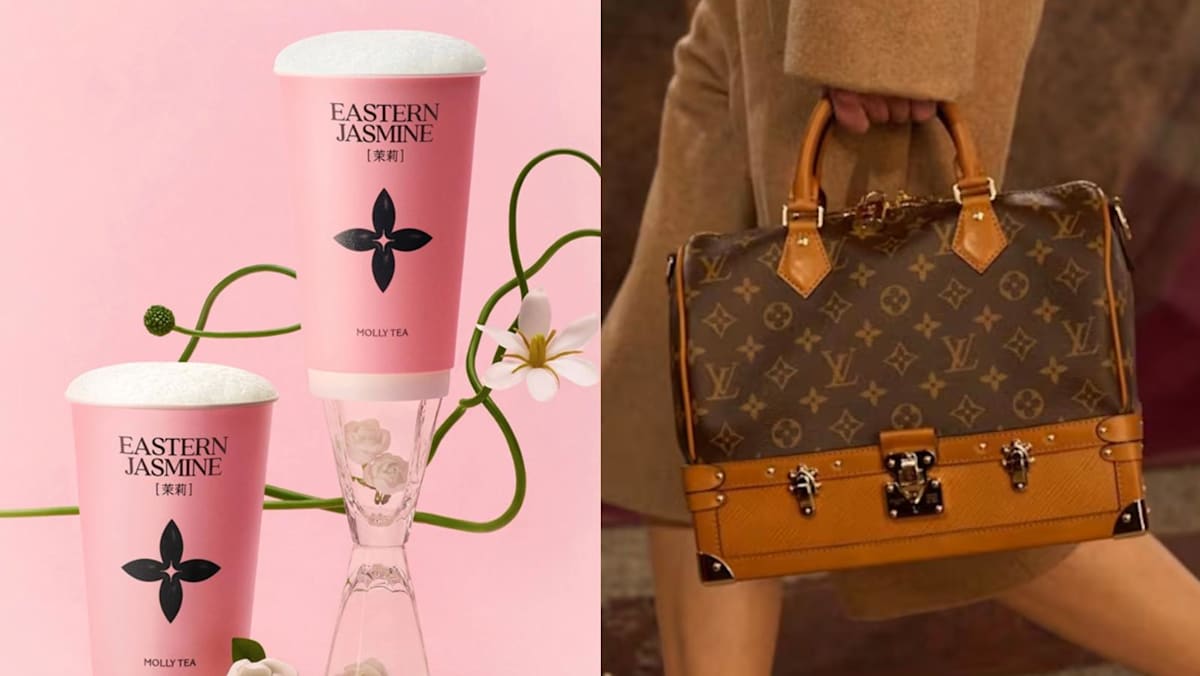
A Beijing court has ordered the Chinese tea chain Molly Tea to pay Louis Vuitton 10 million yuan (approximately $1.5 million) for trademark infringement. The ruling follows a legal dispute over the tea chain’s branding, which the court found too similar to the luxury fashion house’s iconic monogram.
The Beijing Intellectual Property Court issued the decision after determining that Molly Tea’s logo infringed upon the intellectual property rights of the LVMH-owned brand. Molly Tea, a Shenzhen-based company that has expanded rapidly across China’s “premium” beverage sector, stated it intends to appeal the verdict.
The case centers on the visual identity of the tea chain, specifically an interlocking design featuring the letters “M” and “T.” The court ruled that the styling, proportions, and overall aesthetic of the Molly Tea logo were likely to cause consumer confusion by mimicking the globally recognized Louis Vuitton monogram.
Why the Beijing Intellectual Property Court ruled against Molly Tea
The court found that the similarities between the two logos exceeded the bounds of coincidental design. Under Chinese trademark law, infringement is often determined by whether a mark is “confusingly similar” to a well-known trademark, regardless of whether the two companies operate in different industries.

Louis Vuitton argued that its monogram is a “well-known trademark” with immense brand equity. In many jurisdictions, including China, well-known trademarks receive broader protection that extends beyond their primary product category—in this case, luxury leather goods—to prevent “dilution” of the brand’s prestige. The court agreed that the use of a similar interlocking motif by a high-profile tea chain could weaken the distinctiveness of the Louis Vuitton mark.
The 10 million yuan fine represents one of the more significant penalties in recent Chinese trademark disputes involving the food and beverage industry. According to court records and legal filings, the damages are intended to compensate the plaintiff for the unauthorized use of its brand identity and to deter other companies from adopting similar “luxury-style” aesthetics to attract consumers.
How the trademark infringement was identified
The dispute focused on the “visual proximity” of the logos. Louis Vuitton’s legal team presented evidence showing that the interlocking nature of the Molly Tea logo mirrored the geometry and line weights of the LV monogram. This stylistic choice was viewed as an attempt to borrow the “aura” of luxury to elevate the tea chain’s market position.

Molly Tea has positioned itself in the “high-end” tea market, focusing on premium ingredients and sophisticated store designs. This positioning made the logo choice particularly contentious, as the brand was targeting a demographic that is highly aware of luxury fashion symbols. The court determined that this targeted overlap increased the risk of consumers associating the tea chain with the fashion house.
While Molly Tea argued that the letters “M” and “T” are distinct from “L” and “V,” the court prioritized the overall “commercial impression” of the mark over the literal meaning of the letters. This is a common standard in intellectual property law, where the “look and feel” of a brand often outweighs the specific characters used.
The impact on China’s premium beverage market
This ruling arrives during a period of intense competition in China’s “new-style” tea market. Chains like Heytea and Nayuki have paved the way for a “premiumization” trend, where tea is sold as a lifestyle product rather than a simple beverage. This trend has led many new entrants to adopt branding that mimics luxury fashion houses to signal quality and status to young, urban consumers.
Industry analysts suggest that the Louis Vuitton victory sends a clear signal to the beverage industry that “luxury aesthetics” cannot be legally mimicked. For companies operating in the “premium” space, the ruling highlights the necessity of creating original visual identities that do not rely on the cues of established luxury brands.
The case also reflects a broader shift in how intellectual property is handled in China. Over the last decade, the Chinese government has strengthened IP protections and established specialized courts, such as the Beijing Intellectual Property Court, to handle complex trademark and patent disputes. This shift is designed to attract more foreign investment and ensure that global brands can protect their assets within the Chinese market.
What happens next in the legal process
Molly Tea has officially announced its plan to appeal the ruling. The company’s legal team is expected to argue that the logos are sufficiently different to avoid consumer confusion and that the damages awarded are disproportionate to the actual harm caused to Louis Vuitton.

If the appeal is successful, the court could reduce the financial penalty or overturn the infringement finding entirely. However, the company may be required to change its logo and rebranding materials regardless of the financial outcome, as the initial ruling has already established a precedent regarding the logo’s similarity to the LV monogram.
The next step in the process will be the filing of the appeal documents and the scheduling of a hearing at the higher court. Until then, the 10 million yuan payment remains the standing order of the court.
World Today Journal will provide updates as the appeal progresses and new court dates are announced.
Do you think luxury brands are overreaching by suing tea chains, or is this necessary protection? Share your thoughts in the comments below.