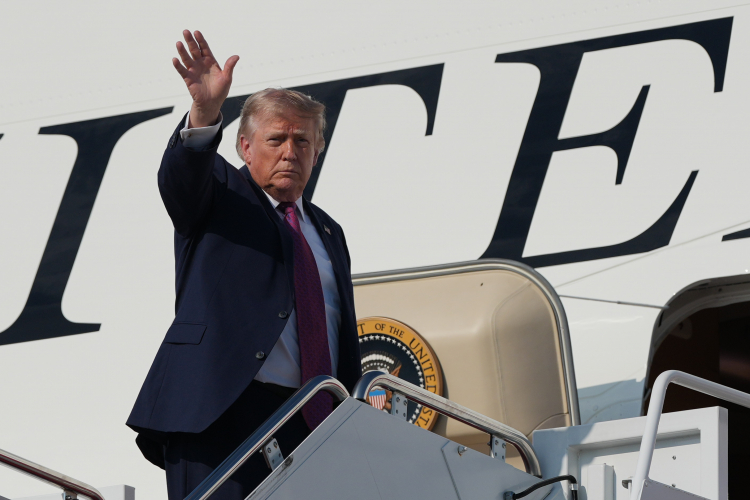
Donald Trump is centering his second-term strategy on high-profile diplomatic resolutions and a systemic overhaul of the U.S. federal government to cement his historical legacy. This approach prioritizes the rapid termination of the Russia-Ukraine war, the expansion of the Abraham Accords in the Middle East, and the implementation of “Schedule F” to restructure the civil service.
The President-elect is shifting from the populist rhetoric of the campaign trail toward a specific governance framework designed to leave a permanent mark on American institutions and global geopolitics. According to reports from the Associated Press, this legacy-driven agenda focuses on “winning” through visible, disruptive achievements that contrast with traditional diplomatic and administrative norms.
Central to this effort is the desire to be viewed as a “dealmaker” on the world stage. By targeting conflicts that have stymied previous administrations, Trump aims to secure a reputation as a peacemaker, a goal that analysts suggest is tied to both historical validation and potential international honors. This strategy extends to the domestic front, where he seeks to dismantle what he characterizes as the “deep state” to ensure his policy directives are executed without bureaucratic resistance.
How the Abraham Accords expansion defines the Middle East strategy
A primary pillar of the Trump legacy involves the expansion of the Abraham Accords, the 2020 agreements that normalized relations between Israel and several Arab nations, including the United Arab Emirates and Bahrain. Trump has frequently cited these agreements as his most significant foreign policy achievement, viewing them as a blueprint for a new regional order based on economic integration and security cooperation rather than the traditional Palestinian-first peace process.
The next objective is a normalization agreement between Israel and Saudi Arabia. According to diplomatic sources cited by Reuters, such a deal would represent a geopolitical shift of historic proportions, potentially creating a unified regional front against Iranian influence. For Trump, securing this agreement would validate his “America First” approach, which emphasizes bilateral deals over multilateral treaties and reduces direct U.S. military entanglement in regional disputes.
This strategy reflects a broader pattern of prioritizing “transactional diplomacy.” By leveraging economic incentives and security guarantees, Trump seeks to create a network of alliances that serve U.S. interests while reducing the financial burden on the American taxpayer. The success of this effort depends on the internal political stability of Saudi Arabia and the current security climate in Gaza and the West Bank.
The pursuit of a rapid resolution in Ukraine
Trump has repeatedly claimed he could end the conflict between Russia and Ukraine within 24 hours of taking office. While the specific details of his plan remain undisclosed, reports from the Wall Street Journal indicate the strategy likely involves leveraging U.S. military aid to pressure both Kyiv and Moscow into a negotiated settlement.

This goal is not merely a policy preference but a legacy play. Ending a major European war would position Trump as a global stabilizer, potentially altering the historical narrative regarding his first term’s volatility. The stakes are high; a failure to achieve a sustainable peace could leave the administration vulnerable to claims that its “America First” posture emboldened adversaries.
The proposed peace plan faces significant hurdles, including Ukraine’s insistence on the restoration of its 1991 borders and Russia’s demand for permanent control over annexed territories. Trump’s approach relies on the assumption that both Vladimir Putin and Volodymyr Zelensky are exhausted by the attrition of war and can be coerced into a compromise through the threat of withdrawing or increasing support.
Restructuring the federal workforce through Schedule F
Domestically, the Trump legacy is tied to a fundamental change in how the U.S. government operates. A cornerstone of this plan is the reintroduction of “Schedule F,” an executive order first introduced in October 2020. This policy would reclassify tens of thousands of career civil servants as political appointees, stripping them of their existing civil service protections and making them easier to terminate.

The administration argues that this move is necessary to eliminate “bureaucratic inertia” and ensure that the President’s agenda is not undermined by unelected officials. Critics, including various government employee unions and legal scholars, argue that Schedule F would destroy the non-partisan nature of the federal workforce and lead to a “spoils system” where loyalty is valued over expertise.
By implementing this change, Trump seeks to leave a legacy of “administrative liberation,” where the executive branch has total control over its agencies. This would allow for more aggressive deregulation and a faster rollout of policies regarding border security and energy production, which the administration views as essential for economic growth.
Judicial influence and the long-term legal legacy
One of the most concrete aspects of the Trump legacy is the reshaping of the federal judiciary. During his first term, Trump appointed three Supreme Court justices and over 200 federal judges. According to records from the Supreme Court of the United States, these appointments shifted the court to a 6-3 conservative majority, leading to the overturning of Roe v. Wade and a narrowing of the administrative state’s power.
In a second term, the administration is expected to continue this trend, focusing on filling vacancies in lower appellate courts to ensure a consistent legal interpretation of “America First” policies. This judicial legacy is designed to outlast the presidency, influencing American law for decades by prioritizing originalism and textualism in legal rulings.
The focus on the judiciary serves as a hedge against legislative gridlock. By appointing judges who favor broad executive authority and limited federal regulation, Trump ensures that his policy goals can be defended and maintained in court even after he leaves office.
Economic nationalism and the trade legacy
Trump’s economic legacy is centered on the transition from free trade to “fair trade,” characterized by the use of tariffs as a tool for negotiation and domestic industrial revitalization. He has proposed a universal baseline tariff on most foreign imports, a move intended to reduce the trade deficit and force manufacturing back to the United States.
This policy marks a departure from decades of bipartisan consensus on global trade. According to analysis from the Tax Foundation, such tariffs could lead to higher consumer prices but are intended to create a strategic decoupling from China. Trump views the reduction of reliance on Chinese supply chains as a critical national security achievement and a cornerstone of his economic legacy.
The administration also aims to further deregulate the energy sector, promoting “energy dominance” by increasing oil and gas drilling. This is framed as a way to lower costs for American consumers and reduce the geopolitical leverage of OPEC+ nations.
Comparing the first-term achievements with second-term goals
The trajectory of Trump’s second term shows a shift from the experimental nature of his first term to a more calculated effort to secure a lasting historical position. A comparison of his goals reveals a move toward systemic permanence.

| Area of Focus | First Term Achievement | Second Term Legacy Goal |
|---|---|---|
| Diplomacy | Initial Abraham Accords | Saudi-Israel Normalization |
| Governance | Executive Orders | Schedule F Implementation |
| Judiciary | 3 SCOTUS Appointments | Deepening Appellate Conservatism |
| Trade | USMCA Agreement | Universal Baseline Tariffs |
| Conflict | Containment | Rapid Ukraine Peace Deal |
What happens next for the legacy agenda
The immediate focus for the President-elect is the selection of a cabinet that can execute these legacy goals without hesitation. The administration is seeking individuals who are not only experts in their fields but are fully aligned with the “Schedule F” philosophy of government restructuring.
Legal challenges are expected to be the primary obstacle. The implementation of Schedule F and the imposition of broad tariffs will likely face immediate lawsuits from civil service groups and trade partners. The outcome of these cases will depend heavily on the judicial appointments mentioned previously, creating a feedback loop where the judiciary protects the executive’s legacy goals.
The first 100 days of the second term will be the critical window for these “legacy moments.” If Trump can secure a ceasefire in Ukraine or a normalization deal in the Middle East early in his term, it will provide the political capital needed to push through the more controversial domestic restructuring of the federal government.
The next confirmed checkpoint for this agenda is the official inauguration on January 20, followed by the first round of cabinet confirmation hearings in the U.S. Senate.
Do you believe these goals will redefine the American presidency, or will legal challenges stall the agenda? Share your thoughts in the comments below.