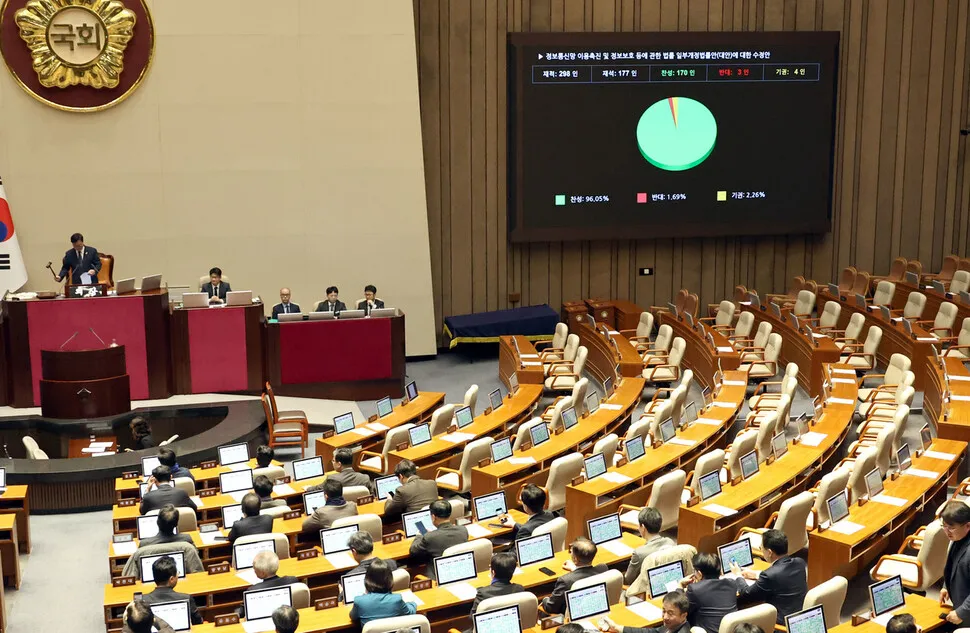
South Korea’s legal landscape regarding digital information is undergoing a significant transition as new legislative measures targeting the dissemination of “false and fabricated information” take effect from the 7th. The policy, which introduces punitive damages for individuals or entities found to have intentionally circulated demonstrably false facts, aims to curb the spread of misinformation across digital platforms. This regulatory shift places a heightened responsibility on digital content creators, media outlets, and online platforms to verify the accuracy of information before dissemination.
I have monitored the global trend of tightening regulations on digital content. The move toward statutory punitive damages represents a departure from traditional defamation frameworks, which typically focus on compensatory damages for actual losses. Legal experts and civil society groups have expressed concern that the broad application of such laws could lead to a “chilling effect” on investigative journalism and legitimate public discourse, as the fear of high-stakes litigation may discourage the reporting of sensitive or controversial topics.
Understanding the Mechanics of Punitive Damages
The core of the new regulatory framework lies in the introduction of punitive damages—a legal mechanism designed not just to compensate a victim, but to punish the offender and deter future misconduct. Unlike standard civil litigation, where a plaintiff must prove exact financial harm, punitive damage claims under this legislation focus on the intent behind the distribution of information. If an entity is found to have acted with clear intent to deceive or manipulate public opinion, the courts are authorized to award damages that exceed the scope of the actual harm caused.

The legislative intent, as outlined in official government briefings, is to protect the digital ecosystem from the corrosive effects of coordinated disinformation campaigns. By holding creators accountable for the downstream impact of their content, policymakers hope to incentivize higher standards of fact-checking. However, the definition of “intentional fabrication” remains a point of contention. Critics argue that without clear, objective thresholds for what constitutes “malicious intent,” the law could be weaponized by powerful entities to silence critics or suppress unfavorable news coverage.
The Risk of a Chilling Effect on Public Discourse
The primary concern cited by media advocacy groups is the potential for self-censorship. When the financial risk of a legal challenge becomes existential, smaller independent outlets and individual content creators may choose to avoid reporting on complex or sensitive business and political issues altogether. This phenomenon, often described as a “chilling effect,” potentially narrows the diversity of viewpoints available to the public. In the context of global markets and economic policy, where transparency is essential for investor confidence, any reduction in rigorous, independent reporting could have unintended consequences for market stability.
Historical precedents in other jurisdictions suggest that when punitive measures for speech are introduced, the burden of proof often shifts in practice, if not in law. Journalists may find themselves in a position where they must preemptively prove the truth of every assertion to avoid the threat of litigation. This environment often favors well-resourced entities that can afford extensive legal teams, while independent voices—the very ones often responsible for uncovering corruption or corporate malfeasance—are sidelined by the sheer cost of defending their work.
Balancing Accountability with Press Freedom
The challenge for regulators is to find a balance between preventing the harm caused by intentional disinformation and protecting the fundamental right to freedom of the press. International standards, such as those discussed by the World Economic Forum and various press freedom organizations, emphasize that regulations targeting misinformation should be narrowly tailored to avoid infringing on protected speech. Broad, ambiguous language in legislation often creates a “grey zone” where legitimate criticism is treated as actionable misinformation.
For stakeholders in the business and legal sectors, the focus must now shift toward compliance and risk management. Companies and media organizations are likely to implement more stringent editorial review processes. While these measures may reduce the risk of litigation, they also demand a commitment to transparency and the ethical handling of data. The effectiveness of this law will ultimately be determined by how the judiciary interprets “intent” and whether the courts will provide a robust defense for the public interest in cases where information is proven to be in the public domain.
What Happens Next
The implementation of this legislation will be subject to ongoing scrutiny by both domestic and international human rights monitors. Stakeholders are currently awaiting the first round of judicial rulings, which will set the legal precedent for how these punitive damage clauses are applied in practice. Observers expect that future court hearings will clarify the standard of evidence required to prove “intentional” fabrication, a factor that will significantly influence the long-term impact of the law on the media landscape.
As the legal community adapts to these changes, the need for clear, documented, and verified reporting has never been greater. We invite our readers to share their perspectives on this development in the comments section below, as we continue to track how these regulations shape the future of information integrity in the digital age.