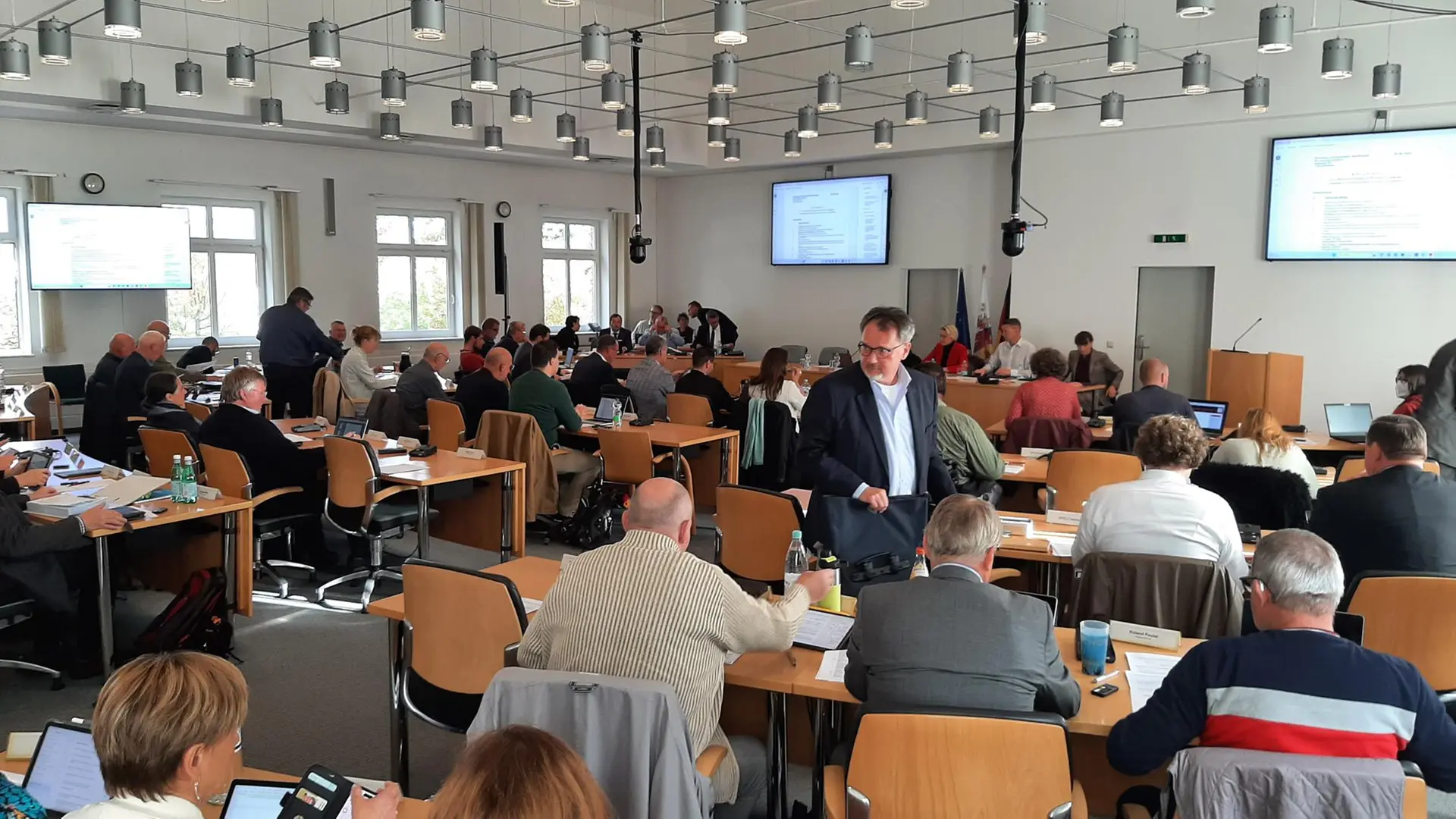
The Vorpommern-Greifswald district council is deciding the future of the Child and Adolescent Psychiatric Service (KJPD), a critical mental health resource for young people in the region. According to reports from NDR, the local government is weighing whether to maintain the current service structure or implement changes that could affect the availability of psychiatric care for minors.
The debate centers on the sustainability of the current psychiatric support system and how to ensure that children and adolescents in the rural district have consistent access to specialized mental health professionals. The decision by the Kreistag (district council) will determine the funding and operational framework for these services moving forward.
This psychiatric service provides essential interventions for youth facing severe mental health crises, developmental disorders, and psychological trauma. Because Vorpommern-Greifswald is a geographically large district with a sparse population, the KJPD serves as a primary link between outpatient care and inpatient hospitalization for many families.
Why is the future of the KJPD in Vorpommern-Greifswald uncertain?
The uncertainty stems from a conflict between budgetary constraints and the rising demand for youth mental health services. According to NDR, the district council must vote on the organizational future of the service, which involves deciding how the KJPD is staffed and managed. The core of the issue is whether the current model can be maintained without compromising the quality of care or exceeding the district’s financial limits.
Mental health needs among children and adolescents have increased significantly in recent years, a trend observed across Germany. In Vorpommern-Greifswald, the challenge is compounded by a shortage of qualified psychiatric staff willing to work in rural areas. This staffing gap often leads to longer waiting lists for patients, making the efficiency of the KJPD’s operational model a primary concern for the council members.
Who is affected by the potential changes to psychiatric services?
The primary stakeholders are the children and adolescents of the district who require psychiatric diagnosis and treatment. If the council opts for a model that reduces accessibility or changes the service delivery method, families in remote parts of the district may face longer travel times to reach specialists. According to the reported context, the service is vital for those who do not have the means to travel to larger urban centers for private care.
Medical professionals and social workers within the district also face uncertainty. The decision will dictate the employment terms and the structural hierarchy of the psychiatric service. For the practitioners, the goal is to maintain a system that allows for comprehensive, long-term patient care rather than a fragmented approach driven by short-term budget cuts.
How does the district council determine the funding for youth mental health?
The Vorpommern-Greifswald district council manages the budget through a series of votes on the district’s financial plan. The funding for the KJPD is tied to state mandates and local allocations. Under German law, the district is responsible for providing these social services, but the specific implementation—whether through direct employment or contracted services—is left to the local council’s discretion.

The council evaluates the cost per patient and the overall reach of the service. When the district considers “the future of the child-help offer,” they are essentially debating whether the current expenditure is sustainable or if a new partnership with larger healthcare providers or university clinics is necessary to stabilize the service.
What happens next for the Child and Adolescent Psychiatric Service?
The immediate next step is the formal vote by the Kreistag. Once a decision is reached, the district administration will implement the chosen operational model. If the current service is maintained, the focus will likely shift to recruitment strategies to fill vacant positions. If a new model is adopted, the district will need to transition existing patients to the new framework without interrupting their treatment.

The outcome of this vote will serve as a signal for how rural districts in Mecklenburg-Vorpommern handle the tension between austerity and the increasing demand for specialized healthcare. Families and advocacy groups are expected to monitor the results of the council’s session to ensure that the legal mandate for child welfare is upheld.
The district council’s final decision on the KJPD framework will be documented in the official minutes of the Vorpommern-Greifswald Kreistag. Residents can follow updates through the official district portal or regional news broadcasts.
Do you live in Vorpommern-Greifswald or have experience with rural healthcare access? Share your thoughts in the comments below or share this article to raise awareness about youth mental health services.