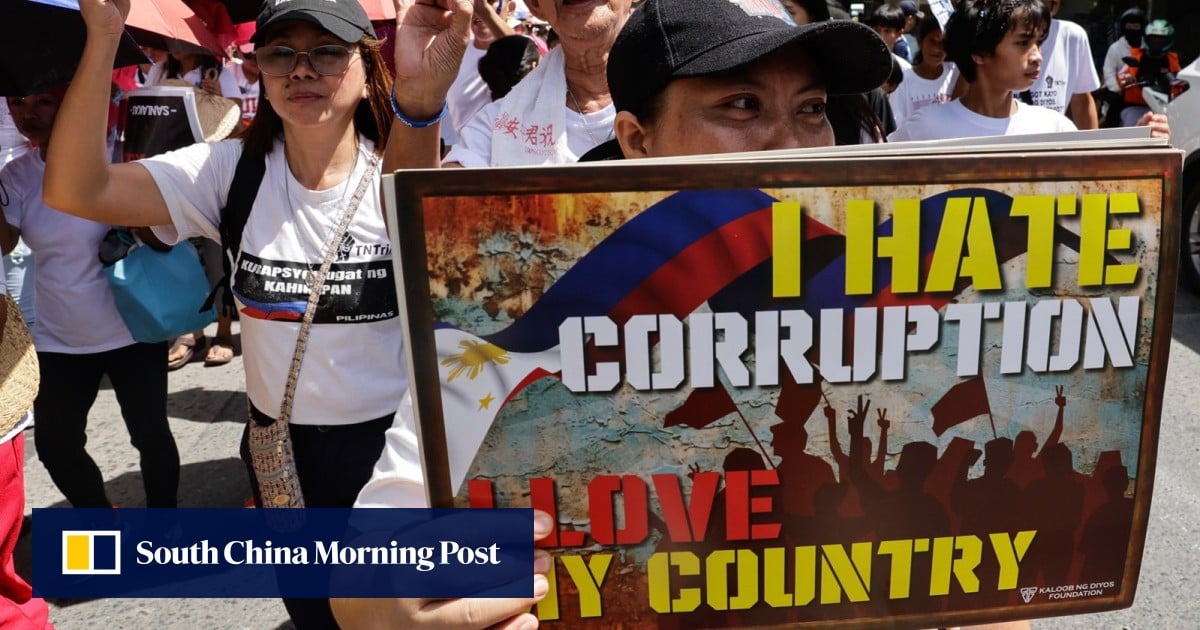
The Department of Labour and Employment has confirmed a wage increase for minimum-wage earners in the Philippine capital, a decision that has sparked significant debate between government officials and labor advocates. The increase, to be rolled out in two stages, is 85 pesos, which the government called “historic” and labor groups called an “insult.”
While the government characterizes the move as a necessary step to support the purchasing power of the workforce, labor organizations have criticized the amount as insufficient to meet the rising cost of living. The increase comes as the Philippines faces persistent inflationary pressures, particularly on food and fuel, which have left many low-income households struggling to manage basic daily expenses.
The Mechanics of the Wage Adjustment
The approved 85-peso increase is designed to be rolled out in two stages to balance the needs of workers with the capacity of businesses to adjust their payroll expenditures. This adjustment applies specifically to Metro Manila. The wage board’s decision follows a series of public consultations held throughout the year to assess the economic impact of inflation on minimum-wage earners.

For non-agricultural workers, the new rate represents a rise from previous levels. The implementation schedule is structured to mitigate sudden shocks to small and medium enterprises, which make up a significant portion of the Philippine economy. Officials from the Department of Labour and Employment noted that the board considers several indicators before finalizing any adjustments to the minimum wage.
Labor Groups Respond to the Increase
Labor unions and workers’ rights organizations have expressed strong dissatisfaction with the wage board’s decision. Representatives from various labor groups argue that the increment does not account for the actual surge in the prices of essential goods. According to statements released by labor advocates, the adjustment is perceived as an “insult” to the workforce, given that the daily cost of a basic food basket for a family of five significantly exceeds the current minimum wage.

The disparity between the official minimum wage and the “living wage”—the amount a family needs to maintain a decent standard of living—remains a central point of contention. Economic analysts often point to the “family living wage” calculations provided by independent research groups as a benchmark for how far current wages fall short of meeting basic human needs. The government maintains that the current wage-setting mechanism is the most sustainable approach, aiming to avoid mass layoffs that could occur if wages were increased beyond the operational capacity of local businesses.
Economic Context and Inflationary Pressure
The Philippines has experienced significant volatility in commodity prices, particularly in the agricultural sector. Rice, a staple of the Filipino diet, has seen price fluctuations that directly impact the disposable income of minimum-wage earners. When the purchasing power of the peso declines, the real value of the minimum wage effectively shrinks, regardless of nominal increases approved by the wage boards.
For many workers in Metro Manila, the challenge is not just the base wage, but the lack of supplementary benefits and the high cost of urban living. The decision in the capital often sets a precedent for other regions, though each regional board maintains the autonomy to determine its own wage adjustments based on local economic data.
What Happens Next for Workers and Employers
The implementation of the two-stage wage hike will be monitored by the Department of Labour and Employment to ensure compliance among employers. Businesses are legally obligated to adjust their payrolls according to the specified timeline, and failure to do so can result in inspections and potential penalties under existing labor laws. Workers who believe they are not receiving the mandated minimum wage are encouraged to utilize the government’s official grievance channels to report non-compliance.
The next phase of the discussion regarding wage policy is expected to occur during the upcoming scheduled reviews by the various regional boards. As economic conditions evolve, labor groups have signaled their intent to continue lobbying for a more significant, permanent increase to the national minimum wage. Readers are encouraged to stay updated on the latest official advisories via the Department of Labour and Employment website or through local labor office circulars.
This is a developing situation. We welcome your thoughts and insights on the impact of these economic policies in the comments section below.