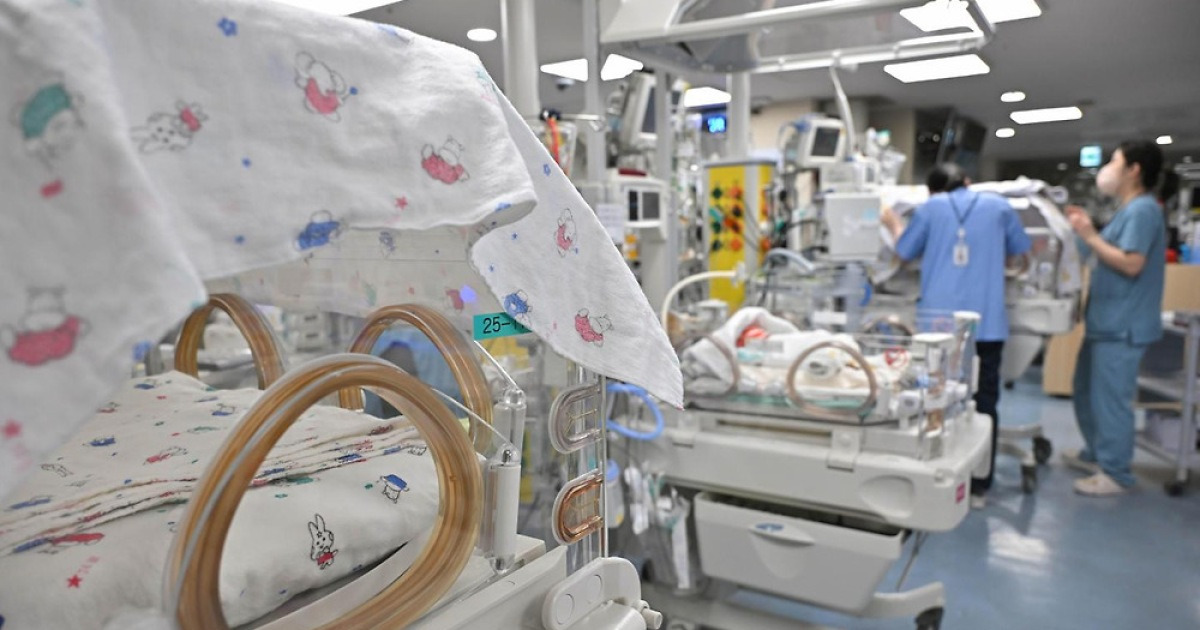
South Korea’s neonatal intensive care units (NICUs) are facing a staffing shortage. As of late 2024, the structural decline in the number of pediatric residents has left hospitals struggling to maintain care for newborns.
While the government has introduced policy incentives—including measures to reduce the legal burden of medical malpractice—these efforts have yet to attract pediatric residents.
The Scope of the NICU Staffing Crisis
The operational instability of neonatal intensive care units is a consequence of the current healthcare system. The concentration of medical talent in other specialties has left critical care departments, particularly those serving newborns, with vacancy rates. It was confirmed that NICUs have experienced temporary service halts, forcing patients to be transferred to other facilities.
This shortage is a distribution failure. Even when hospitals have the physical infrastructure for neonatal care, they lack the pediatricians required to maintain monitoring.
Government Policy vs. Clinical Reality
To address these failures, the government has attempted to implement safeguards for medical professionals. Recent policy initiatives focus on mitigating the “malpractice risk” that many pediatricians cite as a deterrent to entering the field. The government has announced plans to introduce legal protections for doctors who act in good faith during emergency procedures.
However, the efficacy of these policies is debated. Critics within the healthcare sector argue that the current government approach treats the symptoms rather than the root cause. The persistent low interest in pediatric residency programs suggests that financial incentives alone are insufficient to overcome the structural fatigue currently impacting the medical community.
What Happens Next for Newborn Care
The stability of the neonatal care network depends on the upcoming residency match results and the implementation of further structural reforms. The government is expected to release its updated medical workforce report in early 2025, which will provide a clearer picture of whether current policy incentives have influenced the latest cohort of medical graduates.
For parents and patients, the situation remains fluid. Hospitals are currently relying on rotating emergency shifts to maintain basic coverage, a stopgap measure that officials acknowledge is unsustainable. As the debate over medical school quotas and specialty distribution continues, the healthcare sector remains under intense pressure to prevent further degradation of essential neonatal services.
We encourage our readers to share their thoughts on these healthcare policy developments in the comments section below.