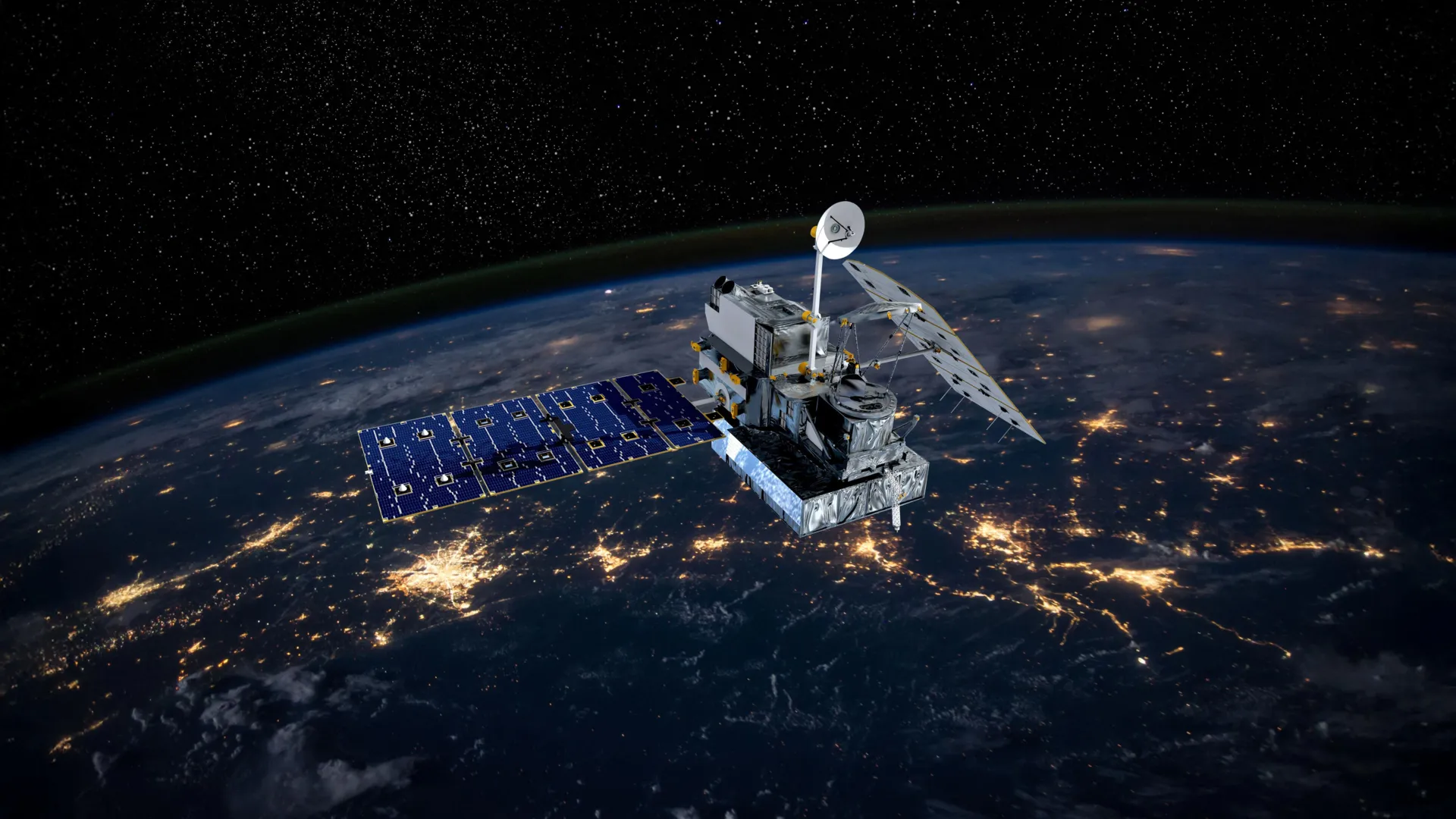
SpaceX is exploring the development of AI data centers in space to address the surging global demand for computing power and energy. By leveraging orbital environments, these facilities aim to utilize unrestricted solar energy and bypass the land and water constraints facing terrestrial AI infrastructure, according to industry analysis of emerging space-based computing trends.
The push for orbital data centers comes as artificial intelligence training requires exponentially more electricity and cooling than traditional cloud computing. While SpaceX has not released a formal commercial timeline for a dedicated “space data center” product, the company’s Starship launch system is the primary catalyst making the transport of heavy server racks and cooling hardware to orbit economically viable.
Moving compute power into space solves the “power wall” problem on Earth, where power grids struggle to keep up with GPU clusters. In orbit, solar arrays can capture energy 24 hours a day without atmospheric interference, providing a consistent power source for the high-density chips required for large language models (LLMs).
Why build AI data centers in space?
The primary driver for space-based AI is the extreme energy requirement of modern GPUs. Terrestrial data centers face strict environmental regulations and physical limits on water usage for cooling. According to reports on sustainable computing, orbital facilities could eliminate the need for massive freshwater cooling ponds by utilizing the vacuum of space as a heat sink, provided the hardware can effectively radiate heat away from the processors.

Another factor is the reduction of latency for satellite-based services. By processing data in orbit rather than beaming it back to Earth, SpaceX’s Starlink network could theoretically offer faster AI-integrated services to users. This “edge computing” in space reduces the distance data must travel, which is critical for real-time applications like autonomous spacecraft navigation or remote sensing analysis.
The cost of launch is the variable that has shifted the conversation from theoretical to practical. SpaceX’s Starship is designed to carry payloads of 100 to 150 metric tons, which allows for the deployment of industrial-scale server architecture rather than the small, radiation-hardened satellites used in the past.
What are the technical hurdles to orbital computing?
Despite the energy advantages, space is an inherently hostile environment for silicon. The most immediate threat is ionizing radiation. High-energy particles can cause “bit flips” or single-event upsets (SEUs), where a 0 becomes a 1 in memory, leading to system crashes or corrupted AI weights. To counter this, engineers must use radiation-hardening techniques or redundant “triple-modular redundancy” (TMR) systems, which increase the weight and cost of the hardware.

Thermal management presents a paradox in the vacuum of space. While there is no air to keep components warm, there is also no air to carry heat away via convection. Terrestrial data centers use fans and liquid cooling to move heat into the atmosphere. In space, heat can only be removed through radiation. This requires massive radiator panels to prevent AI chips from overheating, adding significant mass and complexity to the facility design.
Maintenance remains a critical vulnerability. On Earth, a failed hard drive or a blown capacitor is replaced in minutes by a technician. In orbit, hardware failure requires either robotic repair systems or expensive crewed missions. Until fully autonomous robotic maintenance is perfected, the risk of a “dark” data center—where a small hardware failure renders a multi-billion dollar facility useless—remains high.
How does orbital debris affect data center safety?
The growing density of orbital debris, often called “Kessler Syndrome,” poses a physical threat to large-scale structures. Unlike small satellites, a data center would be a large target. A collision with a piece of debris traveling at 17,500 mph could destroy entire server clusters.

To mitigate this, proposed designs include heavy shielding or placing facilities in higher orbits where debris density is lower. However, higher orbits increase the cost of launch and the time it takes to deploy hardware. SpaceX’s current focus on Low Earth Orbit (LEO) for Starlink means any integrated data centers would likely face the highest concentration of space junk.
Comparing Terrestrial vs. Orbital AI Infrastructure
The trade-offs between Earth-based and space-based AI centers involve a balance of energy access and operational risk.
| Feature | Terrestrial Data Centers | Orbital Data Centers |
|---|---|---|
| Power Source | Grid/Nuclear/Renewables (Intermittent) | Constant Solar Energy |
| Cooling Method | Water/Air Convection | Thermal Radiation Panels |
| Maintenance | Immediate Human Access | Robotic or Crewed Missions |
| Risk Factors | Natural Disasters/Power Outages | Radiation/Orbital Debris |
What happens next for SpaceX and space AI?
The transition to orbital AI will likely happen in phases. The first step is “edge processing,” where small AI chips are integrated into Starlink satellites to filter data before sending it to Earth. The second phase involves small, modular compute clusters deployed via Starship to test thermal and radiation shielding in real-world conditions.
The final goal is the construction of full-scale “compute clouds” in orbit. These would function as the backbone for a space-based internet, providing AI processing for lunar colonies, Mars missions, and global users without relying on Earth’s strained electrical grids.
The next confirmed checkpoint for SpaceX’s heavy-lift capabilities is the continued flight testing of the Starship system, with upcoming launches aimed at demonstrating orbital refueling—a necessity for placing large-scale infrastructure in stable orbits. Official updates on payload capacities and orbital deployment schedules are typically released via the SpaceX official newsroom.
Do you think the risks of space debris outweigh the energy benefits of orbital AI? Share your thoughts in the comments below.