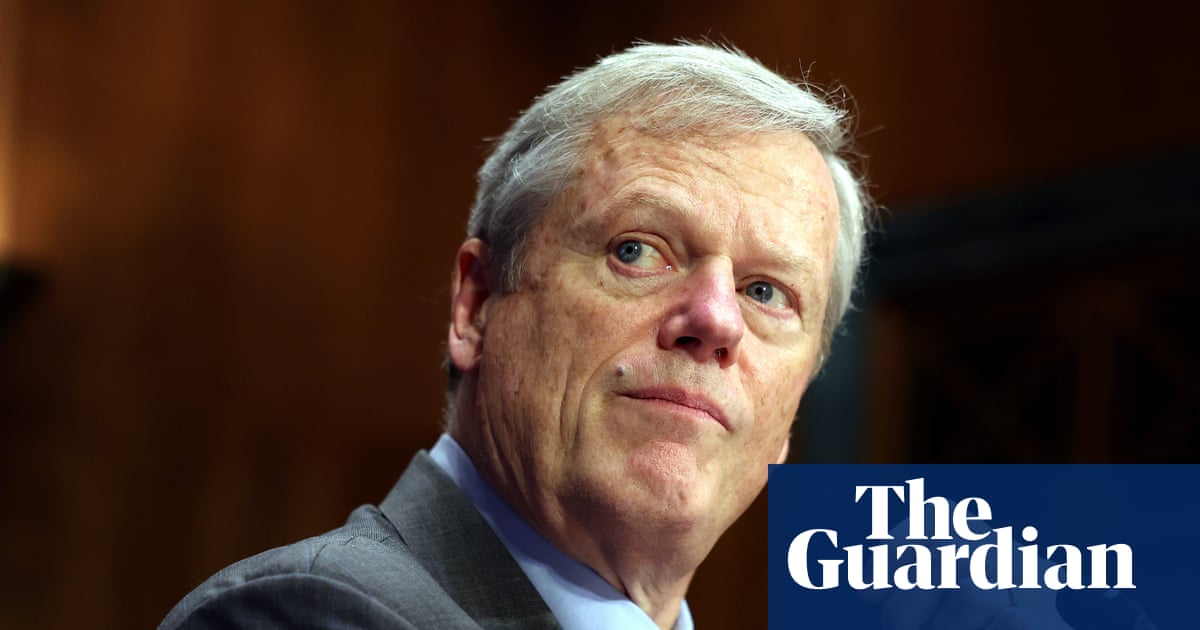
NCAA President Charlie Baker expects no changes to transgender athlete rules following a U.S. Supreme Court ruling, according to reports from The Guardian and Fox News.
The decision comes as the U.S. Supreme Court continues to shape the legal landscape regarding transgender rights and athletic participation.
How the NCAA handles transgender athlete eligibility
The impact of the U.S. Supreme Court’s legal trajectory
The Supreme Court’s recent rulings on transgender rights have created a ripple effect across educational and athletic institutions. Its shift toward a more conservative interpretation of the 14th Amendment and Title IX has emboldened state legislatures.

Under Title IX, a federal law passed in 1972 to prevent sex-based discrimination in education, the definition of “sex” has become a primary legal battleground. The Biden administration has pushed for Title IX to protect gender identity, while several Republican-led states have sued to prevent this interpretation, arguing that “sex” refers strictly to biological sex assigned at birth.
The Supreme Court’s influence is felt in how lower courts handle these challenges. When the high court declines to intervene in lower court stays or issues rulings that narrow the scope of federal protections, it effectively allows state-level bans to remain in place while the legal process unfolds. This creates a “patchwork” of legality where a transgender athlete may be eligible to compete in one state but banned in another.
Why this ruling matters for collegiate sports
The tension is highlighted by the contrast in reporting. Some outlets focus on the "heartbreak" of families and students forced to navigate these legal barriers, while others frame the issue as a necessary protection of the "integrity" of women's sports.
What happens next for student-athletes
The legal status of transgender athletes will likely remain unsettled until there is a direct Supreme Court ruling on the interpretation of Title IX regarding gender identity. Until then, athletes must continue to comply with both their state laws and the specific requirements of their sport’s governing body.
The next major checkpoint will be the ongoing litigation in various federal appellate courts regarding state-level bans. These cases are expected to eventually move toward the Supreme Court, where the justices will decide if state bans on transgender participation violate the Equal Protection Clause of the Constitution.
World Today Journal will continue to monitor these legal developments. We invite readers to share their perspectives on the balance between inclusion and competitive fairness in the comments section below.