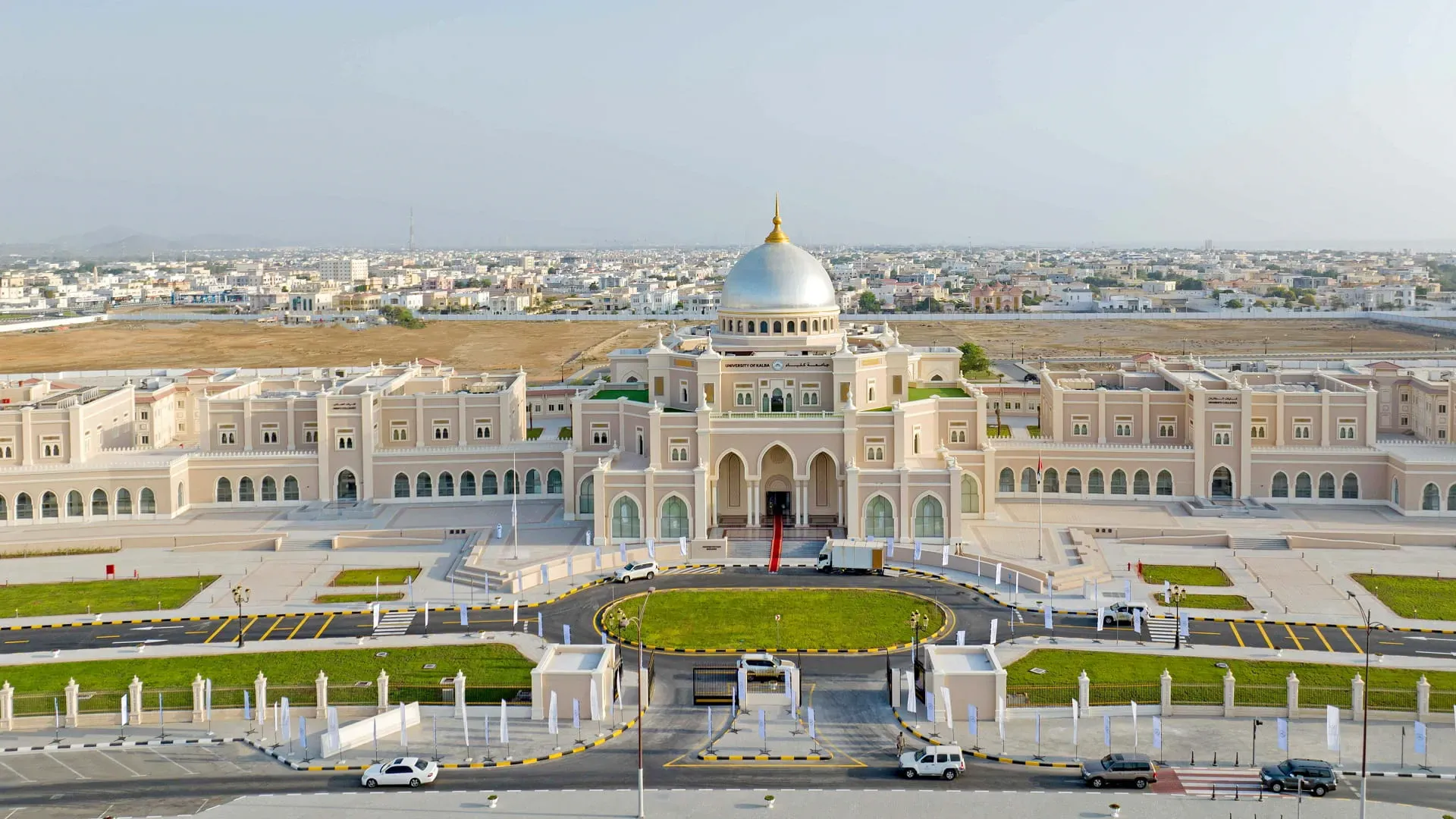
University of Kalba has secured official accreditation for five new academic programs scheduled for launch in September. The expansion aims to diversify the institution’s educational offerings and align its curriculum with the evolving labor market requirements in the United Arab Emirates.
The accreditation process ensures that these new degrees meet the rigorous quality standards set by the UAE’s educational regulatory bodies. By introducing these programs, the university seeks to provide students with specialized knowledge in high-demand sectors, fostering a new generation of professionals capable of supporting the nation’s strategic economic goals.
The university’s move comes as part of a broader effort to enhance higher education accessibility in the Emirate of Sharjah. According to official announcements, the integration of these programs into the academic calendar for the upcoming September term is intended to attract both local and international students seeking accredited qualifications in the region.
Accredited Program Expansion for September Intake
The University of Kalba’s acquisition of accreditation for five new programs marks a significant step in its institutional growth. While the university has focused on building its foundational infrastructure, the addition of these specific degrees allows the institution to compete with established regional universities by offering a wider array of academic paths.
According to the Commission for Academic Accreditation (CAA), which oversees the quality of higher education in the UAE, accreditation is a mandatory requirement for programs to be recognized both nationally and internationally. The approval of these five programs confirms that the University of Kalba’s curricula, faculty qualifications, and facilities meet the necessary benchmarks for academic excellence.
The launch in September aligns with the standard academic cycle in the UAE, ensuring that students transitioning from secondary education or transferring from other institutions can enroll without delay. This timeline is critical for the university to capitalize on the annual admission window and scale its student population.
Impact on the Sharjah Labor Market and Economic Goals
The introduction of these new programs is designed to address specific gaps in the local workforce. By diversifying its academic portfolio, the University of Kalba is positioning itself to supply graduates who possess the technical and theoretical skills required by the Sharjah government and the private sector.

The UAE’s “Projects of the 50” and other national strategic initiatives emphasize the need for a knowledge-based economy. The expansion of accredited higher education in Kalba supports this by decentralizing academic opportunities, allowing residents of the East Coast to access high-quality degrees without relocating to Dubai or Abu Dhabi.
Educational analysts suggest that the accreditation of new programs typically leads to increased employability for graduates, as employers prioritize degrees that have been vetted by the CAA. This systemic validation reduces the risk for employers and provides a clear standard of competency for new hires entering the professional market.
Academic Standards and Institutional Growth
Securing accreditation for five programs simultaneously indicates a robust administrative effort by the University of Kalba to standardize its academic delivery. The process involves extensive documentation of learning outcomes, assessment methods, and faculty research capabilities.
The University of Kalba is part of a wider educational ecosystem in Sharjah, which is known as the cultural and educational hub of the UAE. By expanding its accredited offerings, the university strengthens its standing among other institutions in the emirate, contributing to the overall quality of the regional academic landscape.
For prospective students, these accreditations mean that their degrees will be recognized for government employment and for those pursuing postgraduate studies abroad. The ability to transition from a Bachelor’s degree at the University of Kalba to a Master’s program at a global institution depends heavily on the initial accreditation status of the undergraduate program.
The next confirmed checkpoint for the university is the opening of the official admissions portal for the September term, where detailed requirements and application deadlines for the five new programs will be published.
We invite readers to share their thoughts on the expansion of higher education in the Northern Emirates in the comments section below.