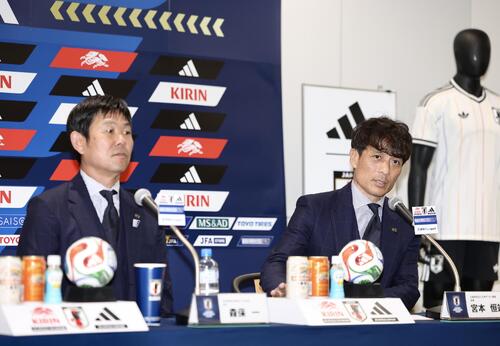
President Tsuneyasu Miyamoto has publicly acknowledged that the organization’s ongoing efforts regarding personnel management for the national team coaching staff have not proceeded as seamlessly as planned. During a recent media engagement, Miyamoto confirmed that internal deliberations remain active, with a board meeting scheduled for the 23rd serving as a key checkpoint for further progress.
Addressing Personnel Challenges at the JFA
The comments from Miyamoto reflect the complexities involved in managing high-profile coaching appointments. When asked by reporters about the status of these personnel matters, Miyamoto stated, “If you ask me if everything is going smoothly, I would have to say that is not the case.”

This admission sheds light on the internal pressure the JFA faces as it balances long-term strategic goals with the immediate requirements of maintaining competitive stability. The upcoming board meeting on the 23rd is expected to be a pivotal session where the administration will aim to resolve outstanding issues and provide clearer direction regarding the coaching structure.
The Debate Over Coaching Qualifications
The discussion surrounding JFA management coincides with broader public and social media discourse regarding the necessity of formal coaching licenses in professional football. This debate was recently amplified by comments from Takeshi Takei, who questioned the traditional emphasis on formal credentials for professional managers. The discourse gained further traction when Keisuke Honda, who has stood as a candidate for Japan national team manager, weighed in on the subject via social media, questioning the validity of mandatory licensing systems.
These external criticisms highlight a growing tension between traditional regulatory frameworks—which prioritize formal accreditation and coaching path progression—and an emerging viewpoint that favors practical experience and unconventional leadership styles. The JFA continues to adhere to established protocols for selecting staff, emphasizing the importance of structured development and institutional standards.
Strategic Planning for the 2030 World Cup
As the JFA navigates its current administrative hurdles, the long-term objective remains the 2030 FIFA World Cup cycle. Analysts and observers have frequently pointed to the need for a cohesive succession plan, with names such as U-21 manager Go Oiwa, as well as coaches coach Nanase and coach Hasegawa, appearing in discussions regarding potential future leadership roles within the national team setup.

The current administration, led by Miyamoto, must reconcile these potential future transitions with the tenure of incumbent manager Hajime Moriyasu. While Moriyasu has steered the team through significant international fixtures, the conversation regarding his “lack of winning experience” continues to circulate among critics and pundits. The JFA’s ability to manage these varying expectations will be critical in determining the trajectory of the national team in the coming years.
Next Steps for the Japan Football Association
The organization has not provided a definitive timeline for the final resolution of its current personnel challenges, focusing instead on the upcoming board meeting as the next venue for formal discussion. Stakeholders and fans are looking toward the outcome of the session on the 23rd for updates on staffing decisions and policy directions.
The JFA maintains its commitment to transparency regarding its governance processes and regularly updates its official website with information concerning board activities and organizational decisions. Readers can monitor the official JFA portal for verified statements and press releases following the conclusion of the scheduled board meeting.
We welcome your thoughts on the current direction of Japan’s national football management. Please feel free to share your perspectives in the comments section below.