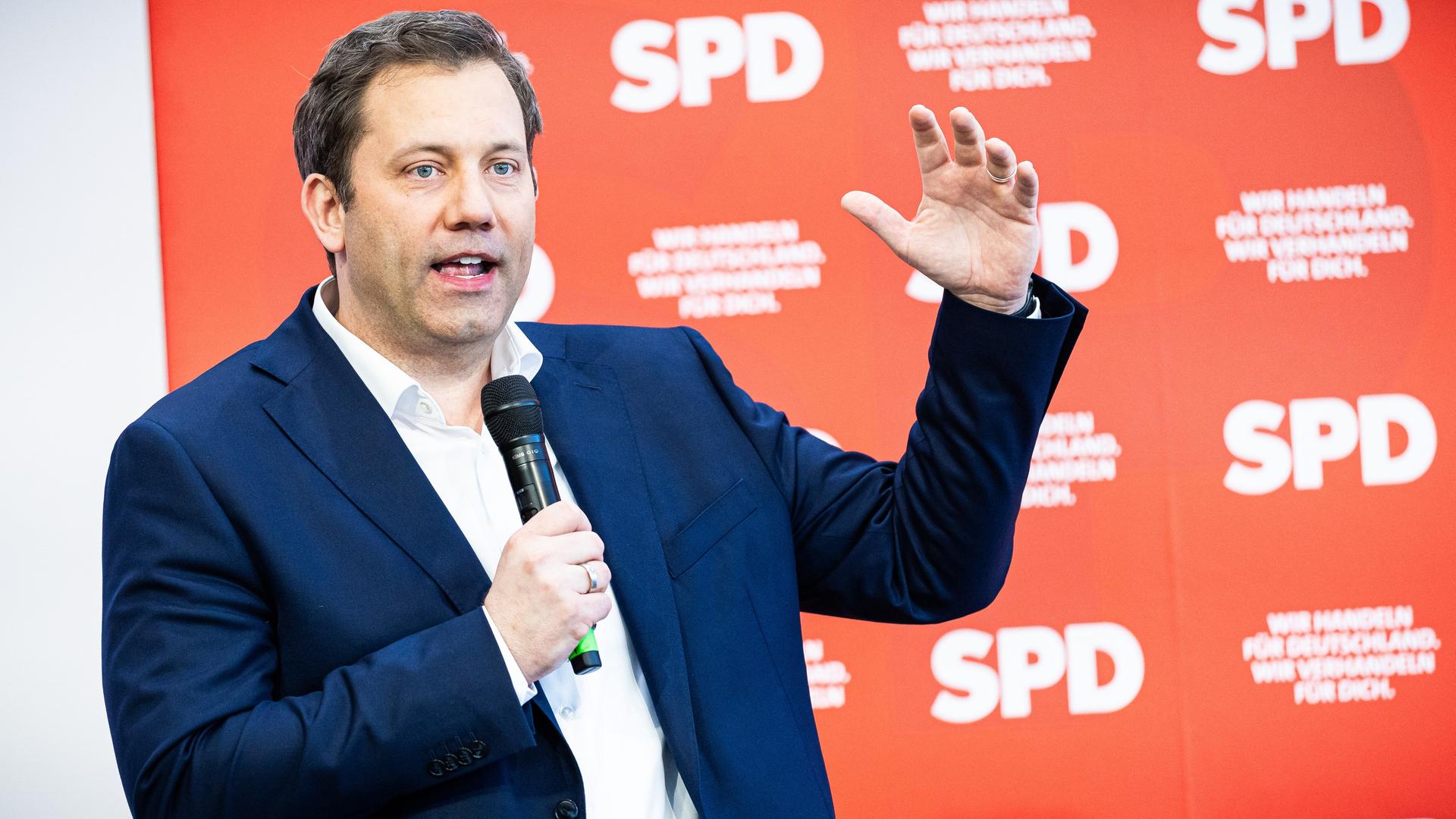
Social Democratic Party (SPD) chairman Lars Klingbeil has defended the German federal government’s current fiscal strategy, framing the management of significant national debt as a sustainable path forward. During a recent appearance on the ARD-Sommerinterview, Klingbeil sought to address mounting concerns regarding Germany’s budgetary constraints and the ongoing debate over the constitutional debt brake, or Schuldenbremse.
The discussion centers on how the governing coalition—comprising the SPD, the Green Party, and the Free Democratic Party (FDP)—plans to balance necessary public investment with strict adherence to Germany’s constitutional spending limits. According to the Federal Ministry of Finance, the debt brake, enshrined in Article 115 of the Basic Law, limits the structural deficit to 0.35% of the gross domestic product (GDP), a rule that has become a focal point of intense political friction.
The Debate Over Fiscal Policy and Investment
Lars Klingbeil’s remarks reflect a broader push within the SPD to prioritize state-led investment in infrastructure, climate transition, and industrial modernization. Supporters of this approach argue that rigid adherence to fiscal rules during periods of economic stagnation hinders long-term growth. However, this strategy faces opposition from fiscal conservatives, particularly within the FDP, who advocate for strict spending discipline to ensure intergenerational fairness and stable public finances.

The Deutsche Bundesbank has frequently highlighted that while the debt brake provides a framework for fiscal sustainability, it also creates significant challenges when the government seeks to finance large-scale projects without raising taxes or exceeding borrowing caps. The central bank emphasizes that any reform to these rules would require a two-thirds majority in the Bundestag and the Bundesrat, a threshold that remains politically difficult to reach.
Economic Context and Structural Challenges
Germany’s fiscal discourse is heavily influenced by the country’s recent economic performance. As reported by the Federal Statistical Office (Destatis), Germany has faced sluggish growth in recent quarters, impacted by high energy costs, supply chain pressures, and a cooling global demand for manufactured goods. Klingbeil’s defense of the budget suggests that the government views targeted debt-financed investments as a necessary stimulus to break this cycle of stagnation.
Critics of the government’s approach, including various opposition figures and certain economic institutes, argue that focusing on debt expansion ignores deeper structural issues within the German labor market and regulatory environment. They contend that shifting the focus toward supply-side reforms would be more effective than increasing the national debt burden.
What Happens Next for the Federal Budget
The coalition government is currently preparing for upcoming budgetary negotiations for the next fiscal year. These discussions are expected to be contentious, as the parties must reconcile their diverging views on the necessity of the debt brake versus the urgency of modernizing the German economy. The Bundestag’s Budget Committee will be responsible for reviewing the government’s proposals in the coming months, marking the next critical checkpoint in the legislative process.

For observers of European markets, the outcome of these negotiations will serve as a key indicator of Germany’s fiscal direction. The tension between maintaining the constitutional debt brake and facilitating public investment remains the defining feature of the current legislative period. As the debate continues, the SPD and its coalition partners will need to demonstrate that their fiscal strategy can yield measurable improvements in economic productivity without undermining long-term financial stability.
Readers interested in tracking the specific legislative developments regarding the federal budget can monitor updates through the official portal of the Federal Government of Germany. We welcome your thoughts on the balance between fiscal discipline and public investment in the comments section below.