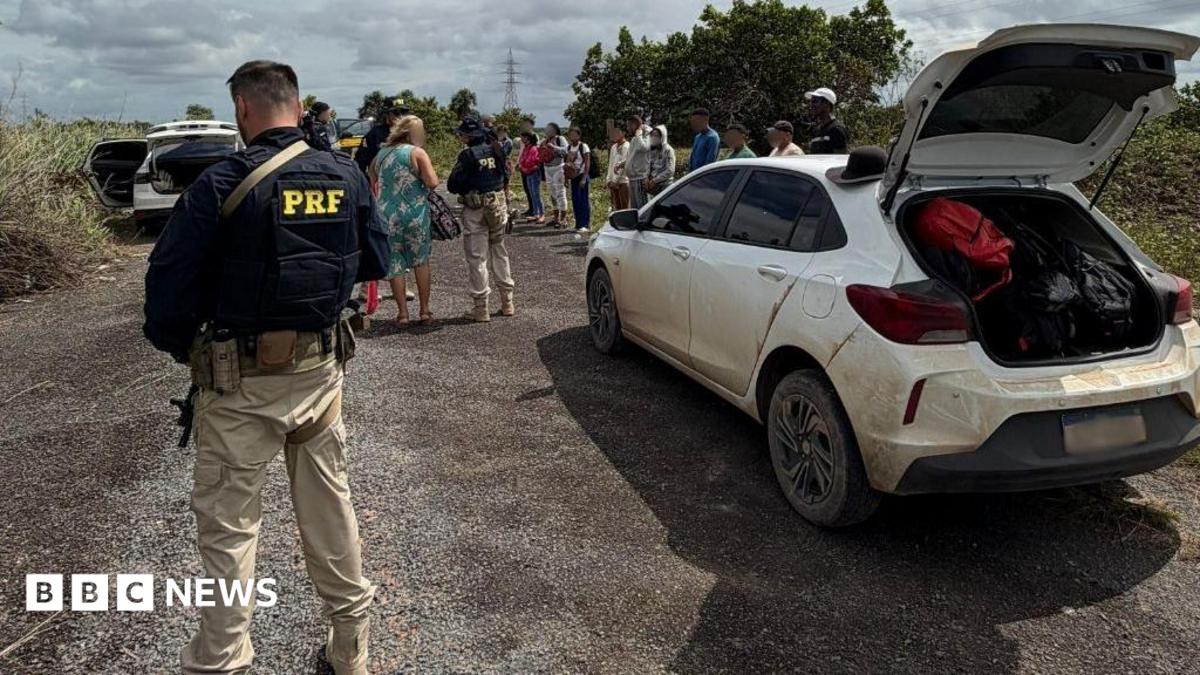
Law enforcement agencies arrested more than 1,000 suspects during a coordinated global human trafficking crackdown led by Interpol, according to an official report from the organization. The operation identified 2,070 victims or potential victims, the vast majority of whom were women trafficked for sexual exploitation, Interpol stated.
The initiative involved the synchronization of police forces across multiple continents to dismantle organized crime networks. According to Interpol, the operation focused on the intersection of human smuggling and forced labor, utilizing the organization’s global databases to track suspects moving across international borders.
Authorities reported that the crackdown targeted “poly-criminal” groups—networks that engage in multiple types of illicit activity, such as drug smuggling and money laundering, alongside human trafficking. This approach allowed investigators to disrupt the financial infrastructure supporting the trafficking rings.
How the global trafficking operation identified victims
The identification of 2,070 victims resulted from a combination of targeted raids and intelligence sharing between member countries. Interpol reported that the high number of women identified as victims of sex trafficking underscores a persistent global trend where gender-based violence and economic vulnerability are exploited by criminal syndicates.

Investigative teams used “red notices” and “blue notices” to track the movement of high-value targets. According to Interpol’s operational guidelines, these notices allow police in different countries to share real-time data on suspects’ locations and travel patterns, which was critical in executing the simultaneous arrests of over 1,000 individuals.
The operation also highlighted the role of digital recruitment. Law enforcement officials noted that traffickers increasingly use social media platforms to lure victims with fake job offers—often promising high-paying roles in hospitality or childcare—before seizing their passports and forcing them into exploitation upon arrival in a foreign country.
What are the primary drivers of these trafficking networks?
Criminal networks typically exploit regions experiencing political instability, natural disasters, or extreme poverty. Interpol’s data indicates that victims are often moved from lower-income regions to wealthier urban centers where the demand for illicit commercial sex or forced labor is higher.
The organization identified that the “vast majority” of the victims in this specific crackdown were women, reflecting a global pattern documented by the United Nations Office on Drugs and Crime (UNODC). The UNODC’s Global Report on Trafficking in Persons consistently shows that women and girls are disproportionately affected by sex trafficking, while men and boys are more frequently identified in forced labor scenarios.
Financial investigators involved in the crackdown focused on “follow the money” tactics. By analyzing cryptocurrency transfers and shell company accounts, agencies were able to identify the leaders of these networks, who often remain insulated from the direct act of trafficking but manage the profits from distant locations.
Who is affected and what happens next?
The victims identified during the operation are currently being processed through national support systems. Interpol stated that the priority following the arrests is the safe repatriation and psychological support of the 2,070 identified individuals, though the process varies by the laws of the country where they were found.
Legal proceedings against the 1,000+ arrested suspects are beginning in various jurisdictions. Because human trafficking often involves crimes committed across multiple borders, many of these cases will require extradition treaties and joint legal assistance between governments to ensure convictions.
Interpol has indicated that this operation is part of a broader, ongoing effort to combat organized crime. The organization continues to urge member states to strengthen their legal frameworks to treat human trafficking not just as a migration issue, but as a severe violation of human rights and a high-profit enterprise for transnational gangs.
For those seeking more information on how to identify signs of trafficking or how to report suspicious activity, official guidance is available through the UNODC and national law enforcement portals in each respective country.
Interpol is expected to release a detailed analytical report on the trends observed during this crackdown in its next periodic crime update. This document will likely provide further breakdowns of the nationalities of the suspects and the specific routes used to move victims.
Share this report to raise awareness about global trafficking networks and leave your thoughts in the comments below.