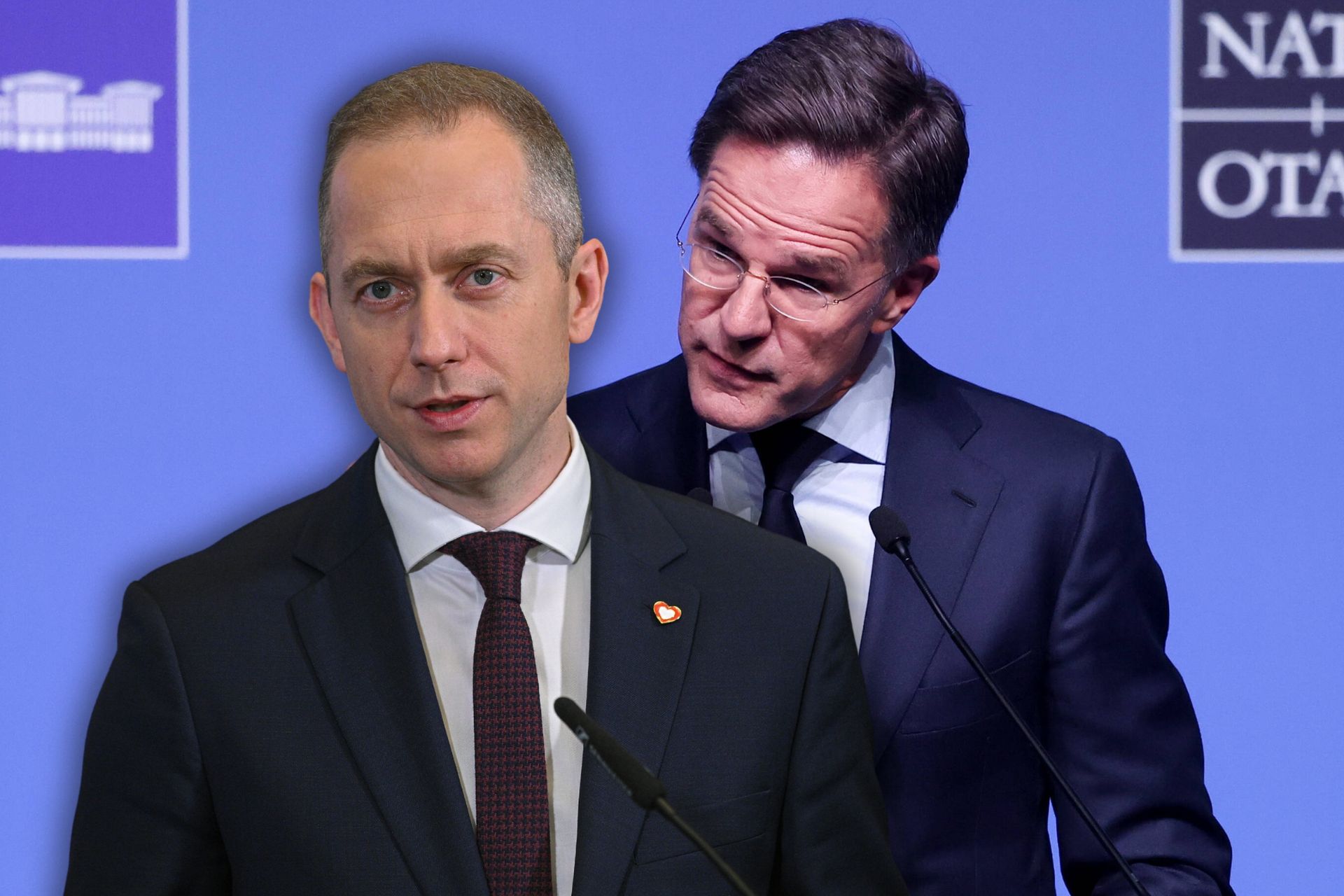
Poland is negotiating a strategic agreement to provide missiles and military hardware to Ukraine, with specific conditions tied to the replenishment of Polish stockpiles and the nature of the weaponry transferred. According to statements from Polish government officials, including Deputy Minister of National Defense Tomasz Tomczyk, the deal focuses on maintaining Poland’s own defensive readiness while ensuring Ukraine receives critical long-range capabilities to counter Russian aggression.
The agreement centers on a “swap” or “backfill” mechanism, where Poland provides existing equipment to Ukraine and receives more modern replacements from the United States or other allies. This strategy allows Poland to accelerate the modernization of its armed forces while immediately delivering combat-ready systems to the Ukrainian front. The Polish Ministry of National Defense has emphasized that any transfer of missiles must not compromise the territorial integrity or the deterrence capabilities of the Polish state.
This movement comes as Ukraine intensifies its requests for long-range missiles capable of striking deep into Russian territory. The Polish government is balancing these requests against the constraints of international agreements and the specific technical requirements of the systems being transferred. The coordination involves high-level diplomatic channels between Warsaw, Kyiv, and Washington to ensure the logistics of the transfer do not create critical gaps in NATO’s eastern flank.
What are the specific conditions for the missile transfers?
The primary condition for the transfer of missiles is the guaranteed replenishment of Poland’s own arsenals. Tomasz Tomczyk stated that the Polish government will not deplete its strategic reserves without a clear, timed commitment for replacements. This “replacement-first” or “simultaneous delivery” model is designed to prevent a security vacuum on the Polish-Ukrainian border.
Another critical condition involves the intended use of the weaponry. Poland, aligned with NATO partners, has monitored the usage of provided systems to ensure they are utilized for defensive operations and strikes within Ukrainian-controlled or occupied territories. While the pressure to allow deeper strikes into Russia has grown, Poland maintains that such decisions must be coordinated with the U.S. and other coalition partners to avoid unintended escalation.
The technical specifications of the missiles also play a role. Poland is focusing on systems that Ukraine can integrate quickly into its existing command-and-control infrastructure. This minimizes the training window and allows the munitions to be deployed in active combat zones more rapidly. The Ministry of National Defense is prioritizing the transfer of munitions that are currently in stock and compatible with the launchers already present in Ukraine.
How does the ‘backfill’ strategy work for Poland?
The backfill strategy operates as a triangular trade of military assets. Poland transfers older or current-generation equipment—such as specific missile batteries or tanks—to Ukraine. In return, the United States provides Poland with newer, more advanced technology, often at a faster procurement rate than standard purchase cycles. This process is formally managed through the U.S. Department of State and the Department of Defense under various security assistance programs.
This mechanism serves two purposes: it provides Ukraine with immediate tactical advantages and it modernizes the Polish Army’s equipment. By offloading older systems, Poland can transition to next-generation platforms, such as the HIMARS (High Mobility Artillery Rocket System) and advanced air defense systems, which are more effective against modern electronic warfare and drone threats.
The logistics of these transfers are complex, requiring a synchronized timeline. Poland cannot send a missile battery to Ukraine if it leaves a specific sector of its own border undefended for an extended period. Therefore, the “conditions” mentioned by Tomczyk often refer to the arrival dates of the replacement hardware from the U.S. or other allies before the Polish equipment is shipped east.
Why is this agreement critical for Ukraine’s defense?
Ukraine faces a persistent shortage of precision-guided munitions capable of striking Russian logistics hubs, ammunition depots, and command centers. The missiles provided by Poland are essential for disrupting the Russian “bridge of logistics” that feeds the frontline troops. Without these long-range capabilities, Ukraine is forced to rely on shorter-range artillery, which limits its ability to push back Russian forces from occupied regions.
Furthermore, the Polish support provides a critical geographic advantage. Poland serves as the primary logistics hub for almost all Western military aid entering Ukraine. By having an agreement that allows for the direct transfer of missiles from Polish soil, the transit time is reduced, and the risk of interception during long-haul transport is minimized.
The ability to strike deeper targets also forces Russia to move its military assets further away from the border, creating a “buffer zone” that reduces the intensity of shelling on Ukrainian cities. According to reports from the Reuters news agency, the delivery of advanced munitions has been a key factor in Ukraine’s ability to conduct successful counter-offensives in the south and east.
What happens next in the procurement process?
The next phase involves the finalization of delivery schedules and the signing of formal bilateral agreements that specify the exact quantity of missiles and the timeline for their arrival in Ukraine. Polish officials are expected to meet with U.S. counterparts to finalize the “backfill” packages, ensuring that the replacement hardware arrives in Warsaw as the Polish missiles move toward the border.
Additionally, the Polish government will continue to coordinate with the European Union to secure funding for the costs associated with these transfers. While some aid is granted, other portions are financed through credit lines or joint procurement initiatives designed to sustain the long-term defense of Ukraine.
The Polish Ministry of National Defense will provide further updates as the shipments are completed and the replacement equipment begins to arrive in Poland. These updates will likely be shared during scheduled parliamentary briefings on national security and defense procurement.
Readers can follow official updates regarding Polish military aid through the official channels of the Polish Government and the Ministry of National Defense. Share this report to keep others informed on the strategic shifts in European defense.