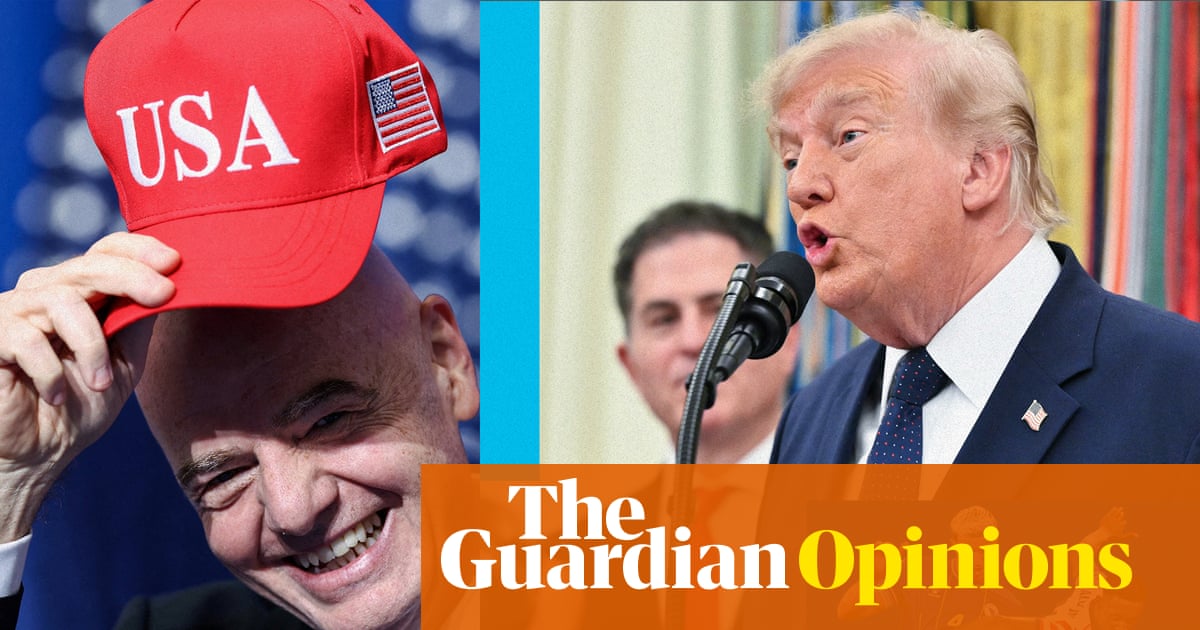
FIFA President Gianni Infantino faces mounting pressure from European lawmakers and international critics following allegations of interference in a disciplinary case involving Samuel Balogun. The controversy centers on claims that the FIFA leadership bypassed standard judicial procedures to overturn a red card, sparking a broader debate over the governance crisis and the potential for a breakaway from the world governing body.
The dispute began when Samuel Balogun received a red card during a match, an action that typically triggers a set disciplinary process within FIFA’s judicial organs. However, reports indicate that the decision was reversed through non-standard channels, leading to accusations of a “perversion of justice” by political figures and sports integrity advocates. The European Parliament has since moved to request a formal probe into Infantino’s role in the matter, citing concerns that the organization’s rules are being applied selectively to favor specific individuals.
This incident occurs as FIFA navigates a period of intense scrutiny regarding its transparency and the concentration of power in the presidency. According to reports from the Australian Broadcasting Corporation (ABC), politicians have launched bids to investigate whether the reversal of Balogun’s sanction constitutes a breach of governance protocols. The case has become a lightning rod for critics who argue that the “presidents’ meddling” is eroding the independence of football’s judicial systems.
European Parliament Probe and the Balogun Red Card
The European Parliament is seeking a detailed investigation into the circumstances surrounding the Balogun case. Lawmakers are questioning why a standard disciplinary outcome was altered and whether Gianni Infantino exerted direct influence over the decision. Under FIFA’s own statutes, the disciplinary committee is intended to operate independently of the presidency to ensure fair play and consistent application of the laws of the game.
The request for a probe focuses on the legality of the intervention. If the presidency is found to have bypassed the judicial committee to secure a specific outcome, it would represent a significant deviation from the governance reforms FIFA promised after the 2015 corruption scandal. The European Parliament’s interest stems from the global impact of football and the need for sports organizations operating within Europe to adhere to high standards of transparency and rule of law.
Critics argue that the Balogun scandal is not an isolated incident but a symptom of a deeper systemic issue. By intervening in a red card decision—a matter usually handled by referees and the disciplinary committee—the leadership risks signaling that rules are negotiable for those with political connections. This perception undermines the integrity of every match played under FIFA’s jurisdiction.
The Governance Crisis and Potential Breakaway Movements
The Balogun controversy has reignited discussions about whether professional football could realistically break away from FIFA. According to analysis by DW.com, the recurring governance crises have led some stakeholders to question the sustainability of the current model. The primary attraction of FIFA remains the World Cup, which provides the financial engine for global football, but the perceived lack of accountability at the top is creating friction with national federations and professional leagues.

A breakaway would require the creation of a new international governing body capable of organizing a tournament with the prestige and commercial draw of the World Cup. While such a move is viewed as a high-risk venture, the “governance crisis” mentioned by Inside The Games suggests that the frustration among member associations is reaching a tipping point. The tension lies between the desire for a transparent, democratic administration and the practical reality of FIFA’s monopoly on international competition.
The current crisis is characterized by a perceived shift toward an autocratic style of leadership. While Infantino has pointed to the growth of the game and increased revenue as markers of success, critics argue that financial growth is being used to mask a decline in institutional integrity. The Balogun case serves as a concrete example for those arguing that the internal checks and balances of the organization are no longer functioning.
Impact on Football’s Judicial Independence
The core of the Balogun scandal is the perceived collapse of the “firewall” between football’s political leadership and its judicial arm. In any sports governing body, the ability to penalize players and officials without political interference is essential for the credibility of the sport. When a red card—a factual event on the pitch—is overturned through administrative meddling, it challenges the authority of referees worldwide.
The implications extend beyond a single match. If the European Parliament’s probe finds evidence of misconduct, it could lead to calls for external oversight of FIFA’s disciplinary processes. This would be a historic shift, as FIFA has long guarded its autonomy from government and intergovernmental interference, often threatening to suspend member nations that allow political meddling in their own national federations.
The irony noted by observers is that while FIFA penalizes national associations for “government interference,” the organization’s own president is accused of the same behavior within the FIFA structure. This perceived hypocrisy is at the center of the current backlash from European politicians and sports journalists.
Comparative Perspectives on FIFA’s Leadership
Different reporting outlets have framed the Balogun scandal with varying degrees of urgency. ABC News emphasizes the “perversion of justice” and the legal ramifications for the FIFA boss, focusing on the potential for criminal or civil investigations into the breach of protocol. In contrast, DW.com frames the issue as a structural failure, questioning whether the entire FIFA model is obsolete and if a breakaway is the only viable path to reform.

While some defenders of the current administration argue that the Balogun matter is a minor disciplinary technicality, the European Parliament’s decision to intervene suggests that the political cost of the scandal is outweighing any administrative justification FIFA might provide. The contrast is clear: the organization views the event as a routine matter, while external regulators view it as a test of the rule of law in global sport.
The following table outlines the primary tensions surrounding the current governance dispute:
| Stakeholder | Primary Concern | Desired Outcome |
|---|---|---|
| European Parliament | Lack of transparency and rule of law | Formal probe and accountability |
| FIFA Presidency | Institutional autonomy | Maintenance of current leadership structure |
| Reformist Federations | Systemic governance crisis | Independent judicial oversight |
| Breakaway Advocates | Monopoly of the World Cup | Alternative international governing body |
The stakes of this investigation are high. A finding of systemic meddling could embolden dissident nations to seek a new alliance, potentially fracturing the global game. For now, the focus remains on the specific details of the Balogun red card and whether the paper trail reveals a directive from the top to ignore the standard disciplinary process.
Share your thoughts on FIFA’s governance in the comments below and let us know if you believe an independent oversight body is necessary for global football.