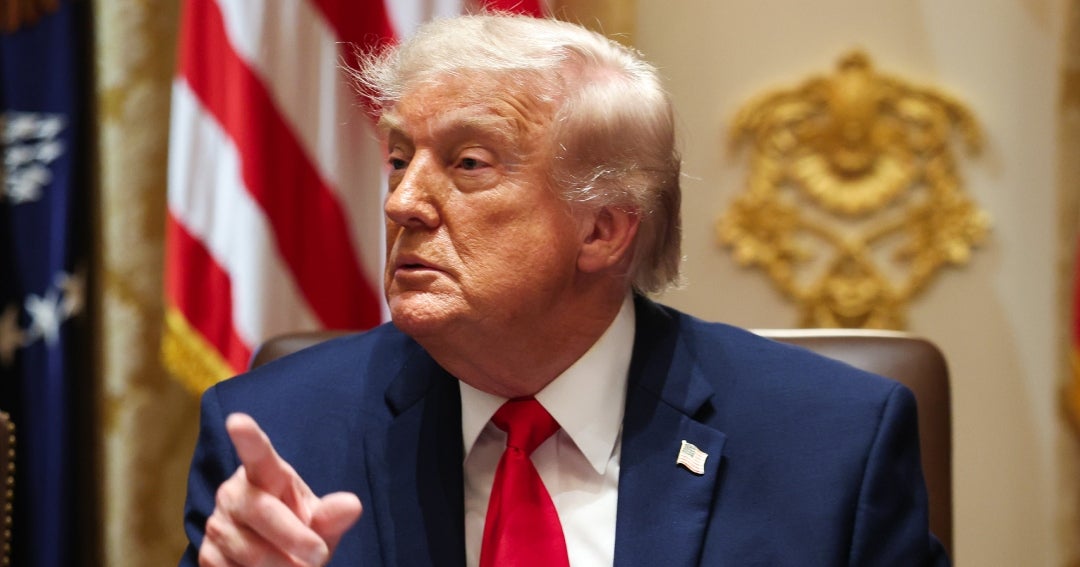
Donald Trump intends to establish a strategic Bitcoin reserve hosted by the U.S. Department of the Treasury, using assets primarily sourced from government seizures, according to policy proposals shared during his 2024 campaign. The plan aims to position the United States as a global leader in digital asset adoption by treating Bitcoin as a reserve asset similar to gold, though the initiative faces significant legislative and administrative hurdles regarding custody and legal authority.
The proposal centers on the creation of a “Strategic Bitcoin Reserve” to stabilize the U.S. dollar and hedge against inflation. Under this framework, the U.S. government would cease selling its seized Bitcoin holdings—which currently total more than 200,000 BTC—and instead hold them as a long-term national asset. This shift would represent a fundamental change in how the Department of the Treasury and the Department of Justice (DOJ) manage forfeited digital assets.
Current U.S. government policy generally involves the liquidation of seized cryptocurrency through the U.S. Marshals Service to fund law enforcement operations or compensate victims. A transition to a reserve system would require a mandate to halt these sales, shifting the role of the Treasury from a liquidator to a long-term custodian of volatile digital currencies.
How would the Strategic Bitcoin Reserve be funded?
The primary source of funding for the proposed reserve would be the existing stockpile of Bitcoin seized during criminal investigations. The U.S. government is currently one of the largest holders of Bitcoin globally. According to data from BitInfoCharts, the U.S. government holds hundreds of thousands of BTC, largely stemming from high-profile seizures such as those related to the Silk Road marketplace and various cryptocurrency exchange collapses.

Beyond existing seizures, some proponents of the plan suggest the government could actively acquire more Bitcoin through open market purchases. However, the core of the current proposal emphasizes the “HODL” strategy—a cryptocurrency term for holding assets long-term—applied to assets already in federal custody. This approach would avoid the immediate need for massive new budget appropriations by utilizing assets the government already possesses.
What are the primary obstacles to implementation?
The most immediate hurdle is the legal authority of the Department of the Treasury to hold Bitcoin as a reserve. Currently, the Treasury manages the Strategic Petroleum Reserve and gold reserves under specific statutory authorities. Bitcoin does not have a similar legal classification as a “reserve asset” in U.S. law, meaning the proposal would likely require an act of Congress to be legally binding.

Administrative control also presents a conflict between departments. The Department of Justice and the U.S. Marshals Service currently manage the seizure and sale of assets. Transferring this authority to the Treasury would require a restructuring of inter-agency protocols. There are also concerns regarding the security of the private keys and the custody infrastructure required to protect billions of dollars in digital assets from cyberattacks or internal mismanagement.
Furthermore, the volatility of Bitcoin poses a risk to the federal balance sheet. Unlike gold, which has a relatively stable long-term value, Bitcoin’s price fluctuates significantly. Critics of the plan argue that tying national reserves to a volatile asset could introduce instability into the U.S. financial system, while supporters argue that the upside potential outweighs the risk of price swings.
Who is affected by a shift in Bitcoin policy?
A formal U.S. Bitcoin reserve would likely trigger a “domino effect” among other G20 nations. If the United States officially recognizes Bitcoin as a strategic reserve asset, other central banks may feel pressured to do the same to avoid being left behind in a new financial paradigm. This would effectively legitimize cryptocurrency as a sovereign-grade asset, potentially increasing institutional adoption worldwide.
For the cryptocurrency market, such a move would create a massive “supply shock.” If the U.S. government stops selling its seized Bitcoin, the market loses a significant source of periodic selling pressure. This could lead to increased price stability or accelerated growth, as a primary holder of the asset removes its supply from the open market.
Law enforcement agencies would also be affected. Currently, the proceeds from the sale of seized Bitcoin are often used to fund other government initiatives or are returned to victims of fraud. A policy of permanent holding would necessitate a new funding mechanism to replace the revenue generated by these auctions.
Comparing the Bitcoin Reserve to Traditional Reserves
To understand the scale of this proposal, it is helpful to compare the intended Bitcoin reserve with existing U.S. financial safeguards:

| Feature | Gold Reserve | Proposed Bitcoin Reserve |
|---|---|---|
| Primary Purpose | Currency stability/backing | Inflation hedge/Digital leadership |
| Custody | Federal Reserve Bank of NY / Fort Knox | U.S. Department of the Treasury |
| Acquisition | Historical accumulation | Seizures and potential purchases |
| Volatility | Low to Moderate | High |
What happens next for the proposal?
The transition of this proposal from a campaign pledge to a formal policy depends on the legislative agenda of the next administration. The first critical step would be the introduction of a bill in Congress to authorize the Treasury to hold digital assets as a strategic reserve. Without legislative approval, the Treasury lacks the authority to override the existing DOJ mandates for the disposal of seized assets.
Market participants are currently monitoring for any official executive orders or Treasury Department memos that might signal a change in the sale of seized assets. The next confirmed checkpoint for this policy will be the official appointment of Treasury leadership and the subsequent presentation of a formal budget and asset management plan for the upcoming fiscal year.
We invite our readers to share their perspectives on the feasibility of a national Bitcoin reserve in the comments below. Follow World Today Journal for continued coverage of global economic policy and digital asset regulation.