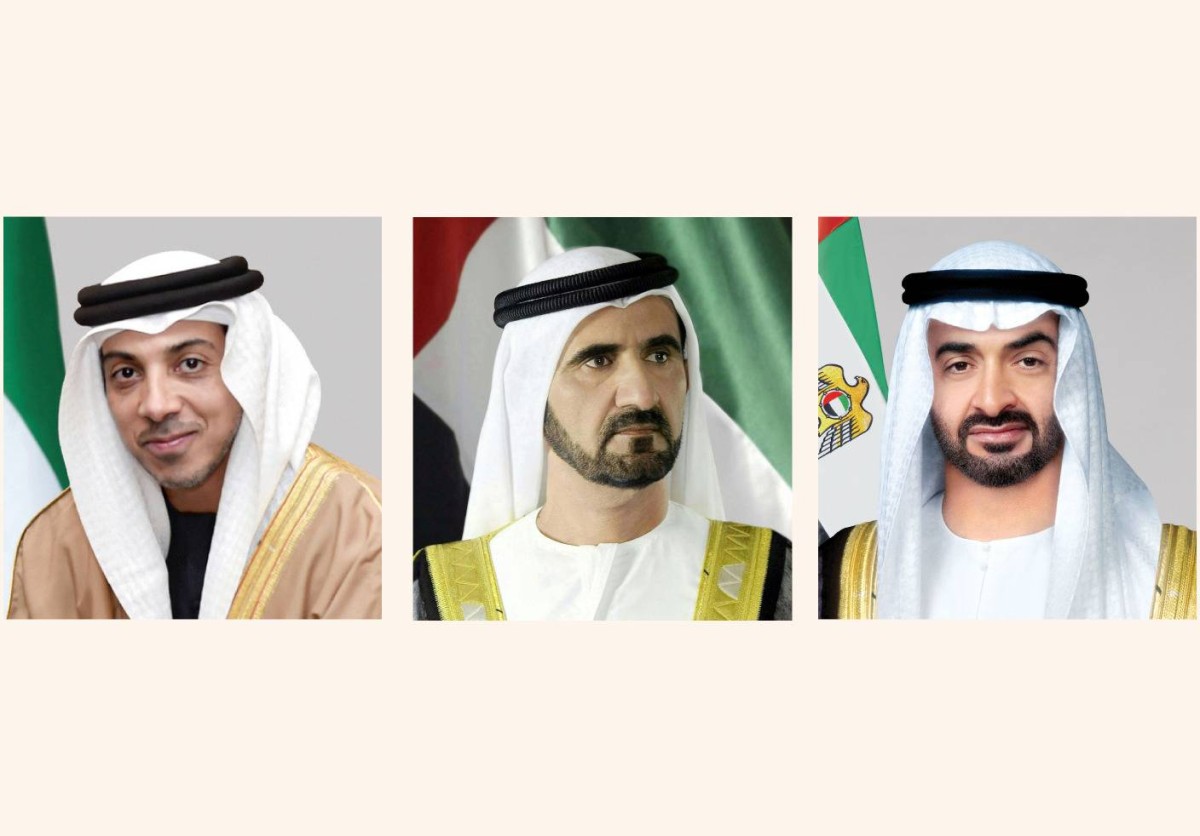
The leadership of the United Arab Emirates has formally conveyed its congratulations to the Governor-General of the Solomon Islands on the occasion of the nation’s Independence Day. President Sheikh Mohamed bin Zayed Al Nahyan, along with Vice President Sheikh Mohammed bin Rashid Al Maktoum and Vice President Sheikh Mansour bin Zayed Al Nahyan, issued official messages to mark the anniversary of the Pacific nation’s sovereignty.
The Solomon Islands, an archipelago in the South Pacific, celebrates its independence annually on July 7, commemorating its departure from British administration in 1978. The diplomatic exchange reflects the UAE’s ongoing policy of fostering international relations with Pacific Island nations, a region where the Emirates has increasingly sought to strengthen ties through climate cooperation and development aid.
Diplomatic Context and Bilateral Relations
The formal greetings from the UAE leadership serve as a standard diplomatic gesture to recognize the national day of the Solomon Islands. While the UAE and the Solomon Islands maintain a geographically distant relationship, both nations engage in multilateral forums, including the United Nations and various climate-focused initiatives. According to the UAE Ministry of Foreign Affairs, the state actively pursues diplomatic outreach to promote stability and sustainable development across the Pacific region.
The Solomon Islands, which became a sovereign state on July 7, 1978, as documented by the United Nations, continues to navigate complex geopolitical dynamics in the Pacific. The country’s governance structure remains a constitutional monarchy, with the British monarch serving as the head of state, represented locally by the Governor-General. This constitutional framework remains a focal point during independence commemorations.
Historical Significance of July 7
Independence Day in the Solomon Islands is the most significant national holiday, marked by public events, cultural performances, and official ceremonies in the capital, Honiara. The transition to independence in 1978 followed decades of British protectorate status. The Government of the Solomon Islands typically utilizes this day to highlight national identity and the progress made in infrastructure and social development since its inception as an independent state.
In recent years, the Solomon Islands has gained increased international attention due to its strategic position in the Pacific. The country’s commitment to sovereignty remains a core pillar of its foreign policy, often emphasized by local leadership during annual independence addresses. The UAE’s recognition of this milestone is part of a broader trend of Gulf states expanding their diplomatic footprint in the Pacific through investment in renewable energy projects and disaster resilience programs, which are essential for low-lying island nations.
Future Diplomatic Engagement
As the Solomon Islands moves forward, international observers look toward the nation’s upcoming economic and environmental policies. The UAE has previously utilized the International Renewable Energy Agency (IRENA), headquartered in Abu Dhabi, to facilitate energy transitions in developing nations. Future cooperation between the two states may focus on similar technical assistance, particularly concerning climate change mitigation, which remains a primary concern for the Solomon Islands government.

Official communication between the UAE leadership and their counterparts in Honiara occurs periodically to maintain bilateral channels. While there are no immediate high-level state visits scheduled, the exchange of such messages underscores the maintenance of formal diplomatic ties. Readers seeking the latest updates on UAE foreign policy or bilateral agreements can monitor the official portals of the UAE Ministry of Foreign Affairs for future press releases and diplomatic announcements. Members of the public are invited to follow these official channels for verified information regarding state-level communications.