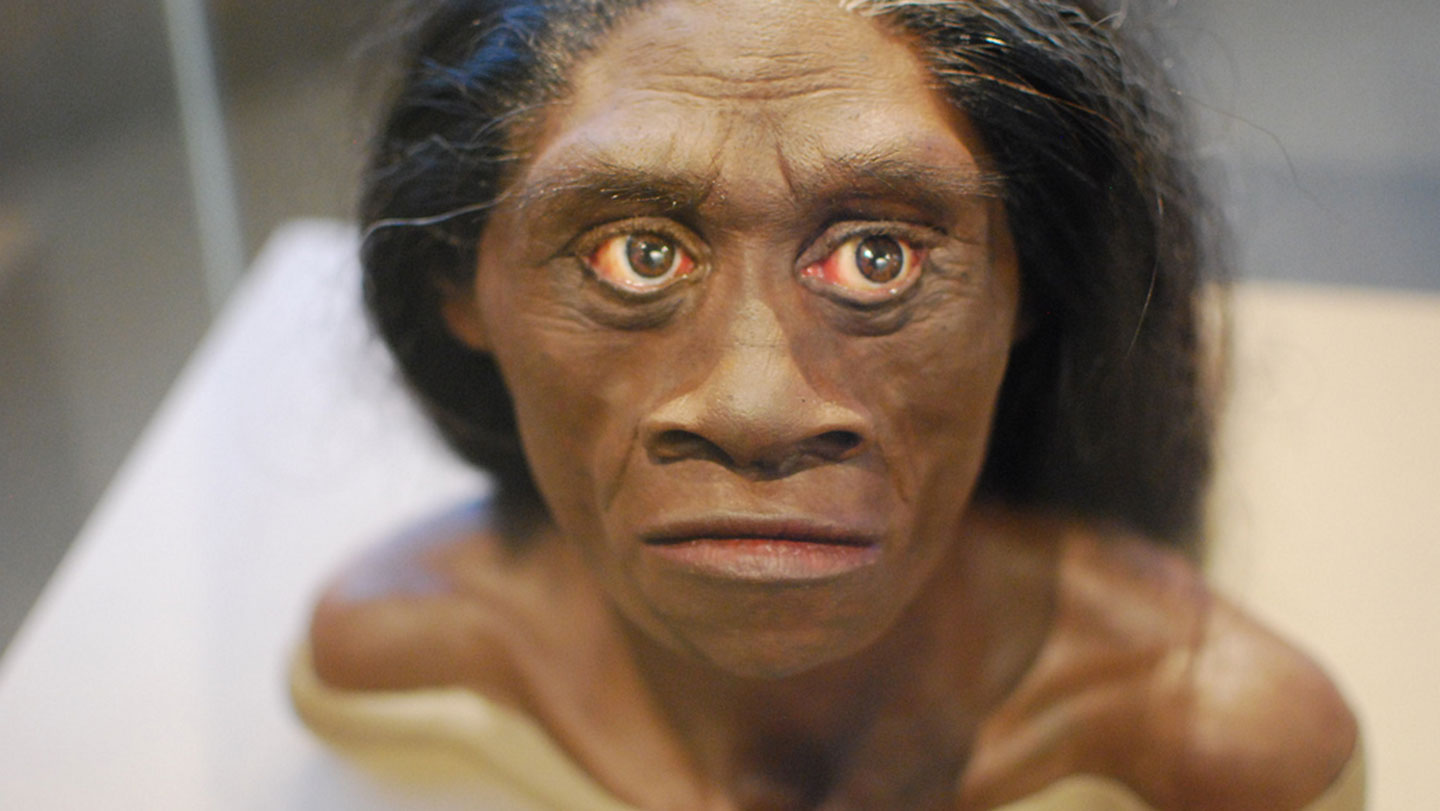
New analysis of faunal remains from the Liang Bua cave on the Indonesian island of Flores suggests that Homo floresiensis, often referred to as “hobbits,” may have been scavengers of Komodo dragon kills rather than specialized hunters of miniature elephant relatives. Researchers examining the dietary habits of these diminutive hominins argue that the previous consensus—which positioned them as active hunters of the extinct dwarf elephant Stegodon florensis insularis—lacks sufficient evidence in the fossil record. Instead, the spatial and temporal distribution of bones indicates a reliance on the leftovers of the island’s apex predator, the Komodo dragon (Varanus komodoensis).
Reevaluating the Diet of Homo floresiensis
The debate over the survival strategies of Homo floresiensis centers on how a small-bodied hominin, standing approximately 1.1 meters tall, sustained itself in a resource-limited island environment. While initial excavations at Liang Bua led some paleoanthropologists to hypothesize that these hominins engaged in group hunting of juvenile Stegodon, subsequent taphonomic studies suggest a different reality. According to research published in the journal Quaternary International, the bone assemblages recovered from the site show a high frequency of surface modifications consistent with carnivore activity rather than stone tool butchery marks alone.
The Komodo dragon, a massive monitor lizard capable of taking down large prey, leaves behind significant skeletal remains that would have provided a reliable, albeit opportunistic, protein source. By analyzing the bite patterns and the condition of the Stegodon bones, experts have identified clear indicators of reptilian teeth—distinct from the clean, parallel striations typically left by stone tools. This suggests that the hominins were likely arriving at kill sites after the dragons had finished feeding, or perhaps displacing the reptiles to finish the carcass, rather than initiating the hunt themselves.
The Ecological Role of the Komodo Dragon
In the ecosystem of Pleistocene Flores, the Komodo dragon occupied the top of the food chain. Because these lizards possess a slow metabolism compared to mammalian carnivores, they often leave portions of a carcass behind, creating a recurring opportunity for scavengers. As noted in research led by scholars at the University of Wollongong, the presence of these hominins in the same strata as dragon-gnawed bones strongly correlates with a scavenging lifestyle. This ecological niche would have allowed Homo floresiensis to acquire high-quality nutrients without the extreme metabolic expenditure required to bring down a Stegodon, which, even in its dwarf form, would have been a dangerous adversary.

This theory shifts our understanding of hominin cognitive and social evolution. If Homo floresiensis were primarily scavengers, their social structure might have been organized around monitoring predator activity rather than coordinating complex, high-stakes hunting parties. This adaptation would be consistent with their small brain size and their highly specialized island environment, where minimizing energy expenditure was a primary driver of survival.
Evidence from the Liang Bua Cave
The Liang Bua cave remains the most significant site for understanding this species. Excavations conducted by the joint Indonesian-Australian team have yielded thousands of specimens, yet the evidence for direct interaction between humans and megafauna remains ambiguous. While stone tools were found in close proximity to Stegodon remains, the lack of definitive “kill sites”—where a single animal is found with a cluster of tools and clear butchery patterns—weakens the case for active hunting.

Current analysis, supported by findings detailed in the Journal of Human Evolution, emphasizes that the overlap between hominin occupation and the presence of megafauna bones may be a result of both species utilizing the same sheltered environments over thousands of years. The cave served as a refuge for both the lizards and the hominins, leading to an accumulation of bones that might suggest a closer relationship than what actually occurred in the wild.
What Happens Next in Flores Research
The next phase of investigation involves high-resolution microscopic analysis of the bone surfaces to differentiate between various types of tooth marks and stone tool incisions. Researchers are currently awaiting further peer-reviewed studies that utilize digital 3D mapping to overlay the bite marks of modern Komodo dragons with the fossil specimens from Liang Bua. These findings will be critical in confirming whether the scavenging hypothesis holds up against the traditional hunting model.

As the scientific community continues to refine the timeline of human evolution in Southeast Asia, the role of scavengers in the development of early hominin intelligence remains a subject of intense focus. Readers interested in following updates on the Liang Bua excavations can monitor official reports from the National Research and Innovation Agency (BRIN) of Indonesia, which oversees the ongoing preservation and study of these unique human remains.
We welcome your thoughts on these findings. How does this shift in perspective change your view of early hominin survival? Please share your comments below.