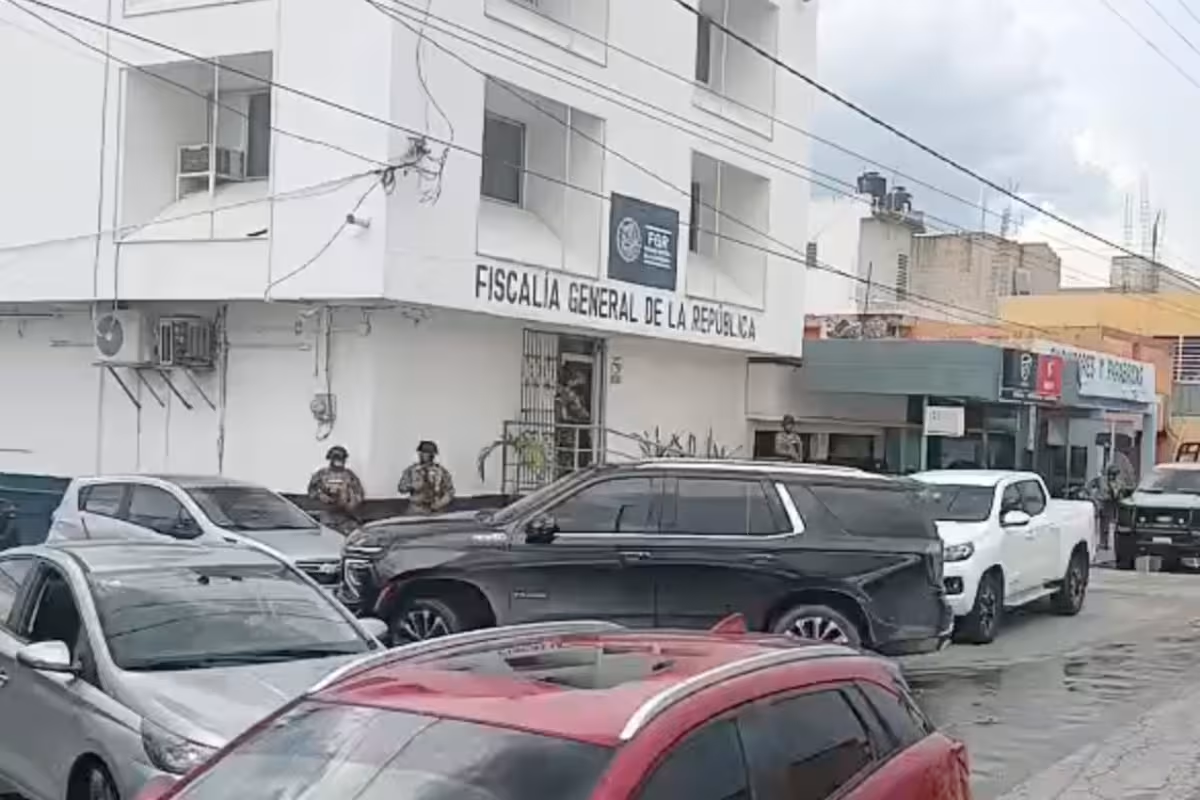
The U.S. Department of Justice (DOJ) has dismantled a criminal network operating out of Campeche, Mexico, that trafficked large quantities of methamphetamine into Iowa and Nebraska. According to official DOJ reports, the operation relied on a combination of social media coordination via Facebook, strategic vehicle logistics, and established international transit routes to move narcotics across the border and into the American Midwest.
Federal investigators identified the network as a sophisticated pipeline that leveraged digital tools to manage supply chains and coordinate deliveries. The crackdown involved coordinated efforts between the Drug Enforcement Administration (DEA) and Homeland Security Investigations (HSI), resulting in multiple arrests and the seizure of significant drug loads intended for distribution in the U.S. heartland.
The investigation highlights a growing trend where transnational criminal organizations utilize consumer technology to mask illicit activities. By using Facebook for communication and coordinating the movement of vehicles, the network attempted to bypass traditional law enforcement detection methods while maintaining a steady flow of methamphetamine from Mexico to the Midwest.
How the Campeche-to-Midwest Network Operated
The criminal organization utilized a multi-stage logistics chain to transport methamphetamine from its base in Campeche. According to the U.S. Department of Justice, the network coordinated the purchase and movement of vehicles specifically used to hide narcotics during transit. These vehicles traveled along established international routes, crossing the U.S. border before heading north toward Iowa and Nebraska.
Digital communication played a central role in the operation. Investigators found that the network used Facebook to manage logistics, communicate with couriers, and organize the final delivery phases of the drug shipments. This reliance on social media allowed the operators to maintain a layer of separation between the leadership in Mexico and the distributors in the United States.
The choice of Iowa and Nebraska as primary destinations indicates a strategic effort to expand distribution into regions where methamphetamine demand remains high but where traditional cartel infrastructure may be less dense than in border states. By establishing direct pipelines from Campeche, the network bypassed several intermediaries, increasing their profit margins and reducing the risk of interception at multiple transit points.
The Role of Social Media in Modern Narcotics Trafficking
The use of Facebook in this specific case reflects a broader shift in how trafficking rings operate. Law enforcement agencies have noted that criminal networks increasingly migrate toward encrypted apps or common social platforms to blend in with legitimate traffic. In this instance, the network used the platform not just for messaging, but as a tool for operational management.

This digital strategy allowed the network to:
- Recruit and coordinate drivers for the international routes.
- Share real-time updates on border checkpoints and law enforcement activity.
- Manage the financial transactions associated with the methamphetamine shipments.
The DOJ’s success in tracing these communications underscores the ability of federal agencies to penetrate digital networks even when criminals attempt to use “everyday” technology to hide their footprints. The seizure of mobile devices and the analysis of social media accounts were critical in linking the Campeche-based organizers to the domestic distributors in the Midwest.
Impact on Iowa and Nebraska Communities
The influx of high-purity methamphetamine from Mexico has created significant public health and safety challenges in Iowa and Nebraska. Local law enforcement in these states have reported an increase in methamphetamine-related crimes and overdoses, correlating with the arrival of large-scale shipments from international sources.
Because the network operated a direct pipeline, the volume of drugs entering these states was significantly higher than what would be seen through fragmented, small-scale smuggling. The DOJ’s intervention disrupted a flow of narcotics that was designed to saturate these specific regional markets, potentially preventing thousands of individual distribution events.
The collaboration between the DEA and HSI was essential in mapping the “last mile” of the delivery process. By monitoring the vehicles identified in the Campeche investigation, agents were able to intercept shipments before they reached their final destinations in the Midwest, leading to the arrest of key regional coordinators.
What Happens Next in the Legal Proceedings
The individuals arrested in connection with the Campeche network now face federal charges, including conspiracy to distribute controlled substances and smuggling. Under U.S. federal law, these charges carry significant prison sentences, particularly when the quantity of methamphetamine exceeds specific weight thresholds defined by the Federal Sentencing Guidelines.

Court filings indicate that the government is continuing to pursue additional suspects who may have played supporting roles in the logistics chain. The DOJ has signaled that the dismantling of this network is part of a larger effort to disrupt the financial and digital infrastructure of Mexican trafficking organizations.
The next confirmed legal checkpoints include scheduled arraignments and evidentiary hearings in federal court, where the specific volume of seized narcotics and the digital evidence from Facebook will be presented to determine sentencing enhancements. Updates on these proceedings are typically posted via the official DOJ press office.
If you have information regarding the distribution of illegal substances in your community, contact your local FBI field office or the DEA. Share this report to raise awareness about the intersection of technology and organized crime.