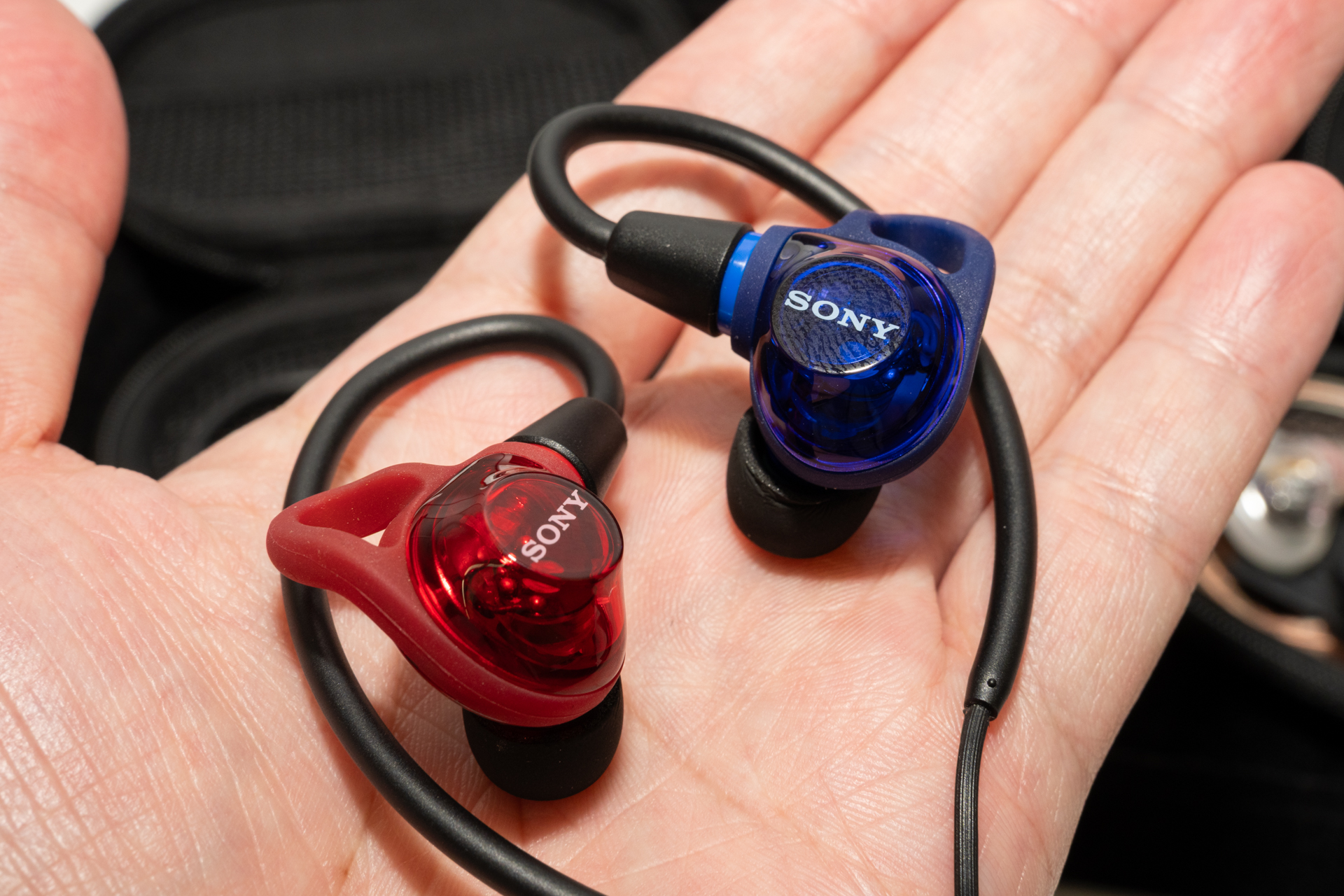
Sony has expanded its professional audio lineup with the introduction of the IER-M500, an in-ear monitor (IEM) specifically engineered for stage performance and live music monitoring. The device, which carries a manufacturer’s suggested retail price of approximately 20,000 yen, marks a strategic entry for the company into the entry-level professional monitor market, prioritizing sound isolation and durability for musicians.
As a technology editor who has spent years analyzing acoustic engineering, I find the IER-M500’s arrival notable for its attempt to bring studio-grade reliability to a more accessible price point. While high-end monitoring gear often commands significant premiums, Sony’s approach here focuses on the functional necessities for performers—specifically, the need for accurate sound reproduction in loud environments and a secure fit that prevents slippage during active sets.
Technical Specifications and Design for Performers
The IER-M500 is built with a focus on noise isolation, a critical factor for any musician performing on a stage surrounded by high-volume sound systems. According to official specifications from Sony, the earphone utilizes a closed-structure design to effectively block external ambient noise, allowing performers to hear their own mix with greater clarity. This design choice is intended to reduce ear fatigue by allowing the user to maintain lower volume levels while still retaining necessary detail.
The physical housing of the IER-M500 features a detachable cable system, a standard requirement for professional-grade gear. If a cable is damaged during a performance, it can be replaced without needing to discard the entire unit. The cable includes a flexible ear hook design, which helps keep the monitors securely in place during vigorous movement. For users looking for further technical details, the Sony product page provides comprehensive information regarding the driver configuration and impedance characteristics.
Market Positioning and Accessibility
At the 20,000 yen price bracket, the IER-M500 competes in a crowded segment of the personal audio market. However, Sony distinguishes this model by marketing it specifically for “monitoring” rather than casual music consumption. This distinction is important; consumer-grade headphones often boost bass or treble frequencies to make music sound more “exciting,” whereas monitoring gear is designed to be as flat and accurate as possible to help the performer identify mistakes or timing issues during a live set.
The decision to offer these at this price point potentially opens the door for amateur and semi-professional musicians who previously relied on mass-market earbuds that lacked the necessary isolation or frequency response for stage use. By integrating proprietary driver technology into a more compact shell, Sony aims to provide a consistent audio profile that matches their higher-end M-series monitors, such as the IER-M7 and IER-M9, though the M500 is configured for a more budget-conscious audience.
The Impact of In-Ear Monitoring on Live Performance
The shift from traditional floor-based stage monitors (wedges) to in-ear monitoring systems has been a long-standing trend in professional touring. IEMs like the IER-M500 allow for a personalized mix, where the musician can control exactly what they hear—whether it is more of the vocal track, their own instrument, or the metronome click—without competing with the output of the main house speakers. This reduces the risk of vocal strain and hearing damage, provided the volume is managed correctly.
For those interested in the broader ecosystem of Sony’s audio equipment, the company continues to update its professional lineup through official product announcements. The IER-M500 fits into this ecosystem as a bridge for those transitioning from hobbyist setups to more rigorous, professional performance requirements.
Next Steps for Professional Audio Users
Potential users interested in the IER-M500 should monitor the official Sony dealer network for regional availability and specific warranty support details. As with any piece of professional audio equipment, it is recommended to audition the monitors in person if possible, as the seal and fit of the ear tips are the single most important factors in achieving the intended sound isolation and frequency response.
We will continue to track updates regarding the IER-M500’s performance in real-world touring scenarios as more feedback from stage technicians and performers becomes available. If you have experience with professional monitoring gear or are considering making the switch to IEMs for your own performances, please share your thoughts or questions in the comments section below.