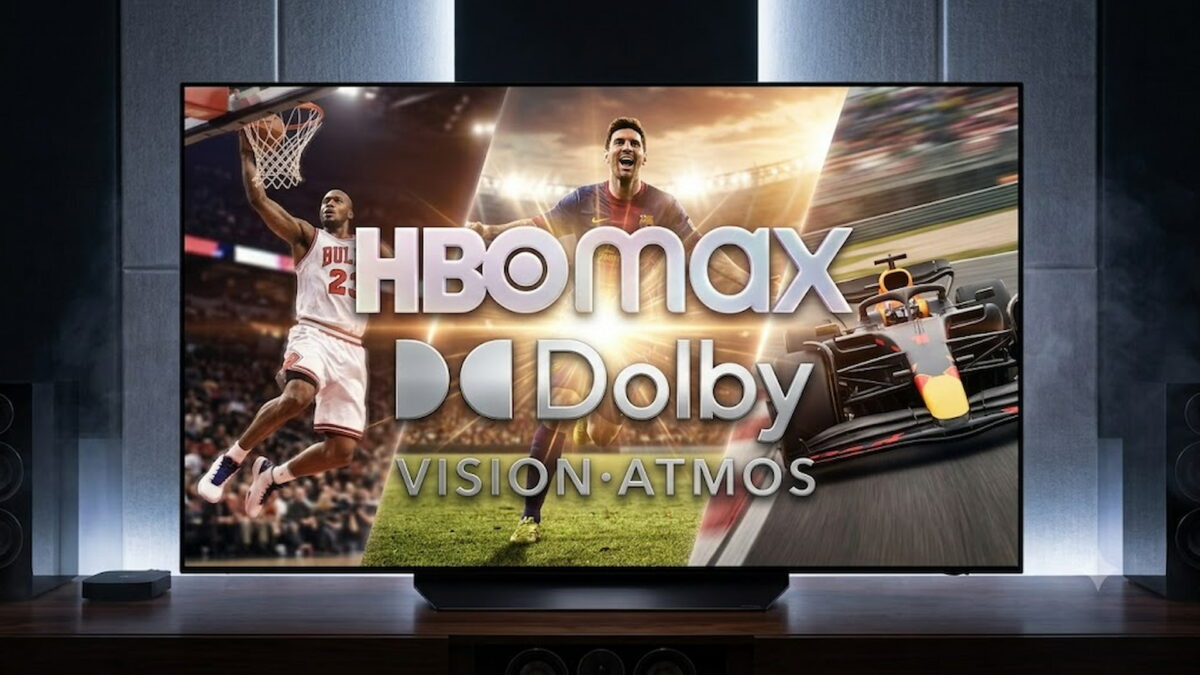
Max is upgrading its sports streaming experience by integrating Dolby Vision and Dolby Atmos for select live events, moving the platform toward a high-dynamic-range (HDR) and spatial audio standard for professional athletics. This technical shift aims to bring cinema-grade visual contrast and immersive sound to live broadcasts, addressing long-standing gaps between traditional cable quality and streaming capabilities.
The implementation of these technologies allows Max to deliver a more vivid picture with deeper blacks and brighter highlights via Dolby Vision, while Dolby Atmos provides a three-dimensional soundscape that mimics the environment of a stadium. According to technical specifications from Dolby, these standards reduce visual artifacts and audio flattening, which often plague high-motion live content like soccer or basketball.
This transition occurs as Warner Bros. Discovery continues to integrate B/R Sports into the Max ecosystem. By leveraging these advanced codecs, the platform intends to compete with traditional linear broadcasters who have historically held the advantage in signal stability and audio fidelity for sports fans.
Technical Specifications of Dolby Vision and Atmos in Live Sports
Dolby Vision differs from standard HDR by utilizing dynamic metadata. While static HDR applies one brightness setting to an entire program, Dolby Vision adjusts the brightness, color, and contrast on a frame-by-frame basis. For sports streaming, this means the glare of stadium lights or the deep shadows of a turf field are rendered with greater precision, preventing the “blown-out” look common in lower-bitrate streams.

The addition of Dolby Atmos introduces object-based audio. Instead of traditional channel-based sound (like 5.1 surround), Atmos treats individual sounds—such as a referee’s whistle or the roar of a specific section of the crowd—as objects that can be placed anywhere in a 3D space. This creates a more authentic “courtside” or “pitchside” experience for the viewer.
To access these features, users require compatible hardware. A 4K HDR television supporting Dolby Vision and a soundbar or home theater system compatible with Atmos are necessary. According to the Max Help Center, the availability of these features depends on the specific sporting event and the device being used for playback.
The Shift from Linear Cable to High-Fidelity Streaming
For years, sports fans have migrated to streaming services while sacrificing the “punch” of a cable signal. Traditional satellite and cable providers often had a lead in audio synchronization and peak brightness. Max’s push into Dolby standards is a direct response to this perceived quality gap.
The integration of these tools is part of a broader strategy to make the “B/R Sports” experience a primary destination for fans. By combining the data-heavy interface of Bleacher Report with the high-end production values of Dolby, Max is attempting to create a hybrid viewing experience that serves both the “second-screen” statistic seeker and the “big-screen” cinephile.
Industry analysts note that the adoption of these standards is essential for the growth of “premium” sports tiers. As streaming platforms bid higher amounts for exclusive rights to leagues like the NBA or MLB, the expectation for a “premium” visual experience becomes a requirement rather than a luxury.
Hardware Requirements and Compatibility
Not all Max subscribers will experience these upgrades immediately. The chain of compatibility must be unbroken from the broadcast source to the living room. If a user has a Dolby Vision TV but uses an older HDMI cable or a non-compatible streaming stick, the system will default to a lower standard, such as HDR10 or standard 5.1 surround sound.
The following hardware components are typically required for the full experience:
- Display: A 4K television with a certified Dolby Vision panel.
- Audio: An Atmos-enabled soundbar, receiver, or integrated TV speaker system.
- Connection: High-speed internet (typically 25 Mbps or higher for 4K HDR content) and HDMI 2.1 cables for optimal signal transfer.
- App: The latest version of the Max app installed on a compatible device (such as Apple TV 4K, certain LG, Samsung, or Sony Smart TVs).
The rollout of these features is gradual and tied to the specific production capabilities of the sporting event. Not every game is filmed or mixed for Atmos and Vision; the platform prioritizes marquee events and championship games where the production budget allows for high-end mastering.
Impact on the Global Streaming Market
Max’s move puts pressure on other sports-heavy streamers. Platforms like Peacock, Paramount+, and ESPN+ have varied levels of HDR and surround sound support. By standardizing on Dolby, Max is positioning itself as the “gold standard” for the home viewing experience, potentially attracting a demographic of users who previously avoided streaming sports due to quality concerns.

This trend is likely to accelerate as 5G penetration increases globally, allowing for the higher bandwidth required to stream Dolby Vision content without significant buffering. The move also aligns with the general trend in the entertainment industry to merge “content” with “experience,” turning a simple game broadcast into a high-fidelity event.
As Max continues to refine its sports offering, the next checkpoint for users will be the official announcement of which specific upcoming leagues or tournaments will be fully supported with Dolby Vision and Atmos for the next season. Users can check the “Details” section of any live event on the Max app to see the available quality tags.
Do you think high-fidelity audio and video are essential for sports streaming, or is a stable connection more important? Share your thoughts in the comments below.