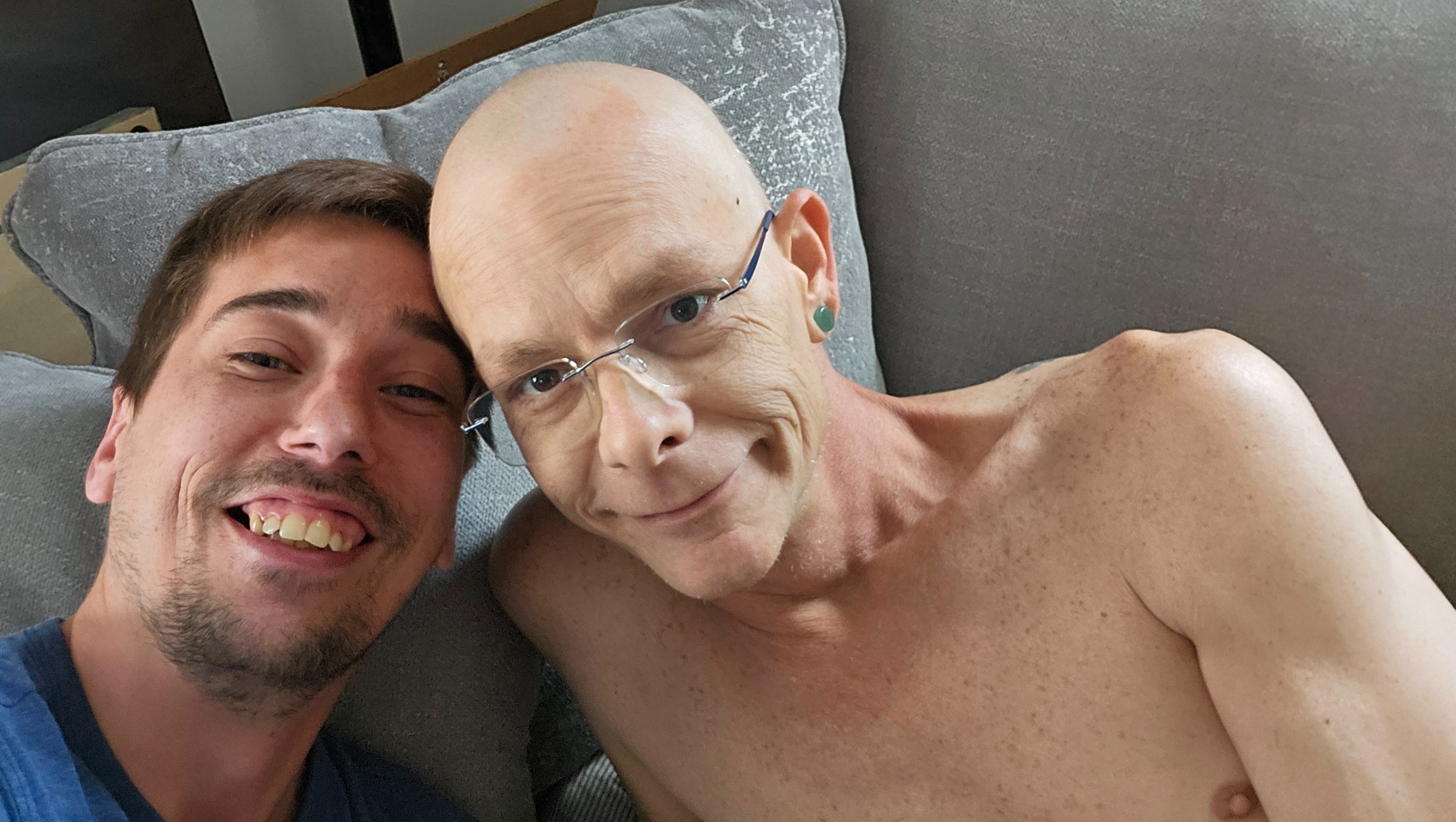
Maaike, a 37-year-old woman, is battling incurable skin cancer after a diagnosis that she describes as the ground literally falling away from beneath her feet. Her case highlights the aggressive nature of certain skin malignancies and the profound psychological and physical impact of a terminal diagnosis in young adulthood.
The diagnosis of incurable skin cancer in a patient under 40 is rare but underscores the critical importance of early detection and the evolving challenges of advanced dermatological oncology. For Maaike, the transition from a healthy adult to a patient with a terminal prognosis occurred rapidly, leaving her and her family to navigate a healthcare system focused on palliative care rather than a cure.
Medical professionals categorize skin cancers based on cell type and stage of progression. While basal cell and squamous cell carcinomas are often treatable, melanoma and certain advanced stages of other skin cancers can metastasize to internal organs, rendering the disease incurable. According to the World Health Organization, skin cancer is one of the most common forms of cancer globally, with ultraviolet (UV) radiation being a primary risk factor.
The Clinical Reality of Incurable Skin Cancer
When a skin cancer diagnosis is labeled “incurable,” it typically means the malignancy has spread beyond the primary site to distant organs—a process known as metastasis. In Maaike’s case, the disease has progressed to a stage where surgical removal is no longer a viable option for eradication. The goal of treatment shifts from curative intent to palliative care, which focuses on managing symptoms, reducing pain, and improving the quality of remaining life.

For patients in their 30s, this diagnosis is particularly devastating due to the gap between their chronological age and their biological prognosis. The psychological toll often involves “anticipatory grief,” where the patient and their loved ones begin mourning the loss of a future while the patient is still alive. Maaike described the immediate aftermath of her diagnosis as a total collapse of her perceived reality, a sentiment common among young patients facing terminal illness.
Advanced skin cancers, particularly metastatic melanoma, have seen a shift in treatment options over the last decade. The introduction of immunotherapy and targeted therapy has extended the lives of many patients, though these treatments do not always result in a cure. The National Cancer Institute notes that while these therapies can shrink tumors and slow progression, the “incurable” designation remains for those whose cancer continues to evolve or resist treatment.
Identifying High-Risk Symptoms and Early Warning Signs
The severity of Maaike’s condition serves as a reminder that skin cancer does not always follow a predictable path. While many associate skin cancer with elderly populations or those with extensive sun damage, aggressive forms can appear in younger individuals. Monitoring the skin for changes is the most effective way to prevent a terminal outcome.
Dermatologists recommend the ABCDE rule for monitoring moles and lesions:
- Asymmetry: One half of the mole does not match the other.
- Border: The edges are irregular, ragged, or blurred.
- Color: The color is not uniform and may include shades of brown, black, pink, or red.
- Diameter: The spot is larger than 6 millimeters (about the size of a pencil eraser).
- Evolving: The mole is changing in size, shape, or color.
According to the Skin Cancer Foundation, early detection is the single most important factor in survival. When caught in the early stages, most skin cancers have a very high cure rate. However, once the cancer penetrates deeper layers of the skin and enters the lymphatic system or bloodstream, the window for curative surgery closes.
The Impact on Family and Caregiver Dynamics
A terminal diagnosis at age 37 disrupts the traditional lifecycle of a family. Maaike’s experience illustrates the “caregiver burden,” where partners and children must suddenly assume roles of medical advocates and emotional anchors. The shift from a partner to a caregiver can create significant strain on relationships, often requiring professional psychological support to manage.
Palliative care teams now emphasize a holistic approach, integrating mental health services alongside physical pain management. This includes “legacy work,” where patients create memories or documents for their children and families to ensure their presence is felt after they are gone. For young patients, the struggle often centers on maintaining a sense of identity beyond their status as a “cancer patient.”
The financial and social implications are also stark. Young adults often face a loss of income and career trajectory, which, combined with the cost of advanced medications, can lead to severe economic instability. This necessitates a coordinated effort between medical providers and social workers to ensure the patient’s final months are spent in comfort rather than financial distress.
Next Steps in Dermatological Oncology
While Maaike’s current prognosis is incurable, the field of oncology continues to move toward personalized medicine. Research into mRNA vaccines for melanoma and more precise CRISPR-based gene editing aims to turn “incurable” diagnoses into manageable chronic conditions. Current clinical trials are focusing on combining different types of immunotherapy to overcome the “resistance” that tumors develop over time.

Patients and families are encouraged to consult with multidisciplinary teams—including oncologists, dermatologists, and palliative care specialists—to ensure every available option is explored. For those in the terminal stage, the focus remains on the “quality of life” metrics, ensuring that pain is managed and that the patient retains as much autonomy as possible.
The medical community continues to monitor the effectiveness of new drug combinations in young adults, as their immune systems may respond differently to immunotherapy than older patients. Updates on these protocols are typically released through annual oncology conferences and peer-reviewed journals.
For those seeking guidance on skin checks or support for a terminal diagnosis, official health portals and certified cancer support organizations provide the most reliable resources for navigating these challenges.
World Today Journal will provide updates as new clinical data on advanced skin cancer treatments becomes available. We invite readers to share their experiences with early detection and support systems in the comments below.